seborrheic keratosis removal
Manchester

Seborrheic keratosis removal in Manchester

Book from 1+ сlinics near you
Image placeholder
star
5.0
(11 reviews)
£££
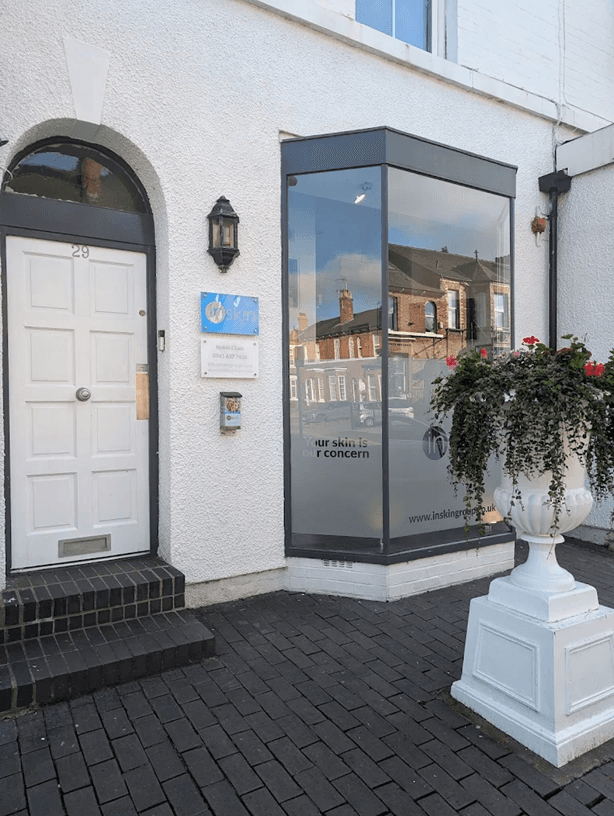
M7 4ST, 19 Marlborough Road, ManchesterM7 4ST, 19 Marlborough Road, Manchester
Get directionsGet directions DermaCeutical Skin and Laser Clinic
Brilliant Clinic, great service, very professional and welcoming Doctor and staff, lovely spotless premises.  Really happy with my treatments, would highly recommend.

Brilliant Clinic, great service, very professional and welcoming Doctor and staff, lovely spotless premises. Really happy with my treatments, would highly recommend.

New to Mole, Wart & Skin Tag Removal?

New to Mole, Wart & Skin Tag Removal?

Learn what this treatment is and how it works.

Learn more
About Seborrheic keratosis removal

About Seborrheic keratosis removal

If you're looking for Seborrheic keratosis removal in Manchester, MARBL makes it easy to compare medical-led clinics in one place. You can compare local clinics for Seborrheic keratosis removal in Manchester without endless searching. Prices typically range from around £45 to £60, depending on the clinic, treatment area and number of sessions. All clinics on MARBL are medical-led and carefully vetted – we list only around 10% of clinics in the UK that meet our safety and quality standards. Browse verified reviews and book your appointment online in just a few clicks.

Seborrheic Keratosis Removal uses appropriate medical techniques to safely eliminate benign skin lesions through excision, cauterization, cryotherapy, or laser removal. This medical procedure addresses both cosmetic concerns and potential irritation from raised or rubbing lesions. The treatment provides complete removal with proper wound care for optimal healing and minimal scarring.

On MARBL, every clinic offering seborrheic keratosis removal is vetted for medical removal techniques, proper diagnosis capabilities, and safe excision protocols. Treatments are performed by qualified medical practitioners with training in dermatologic procedures. Each clinic listing includes transparent pricing, detailed procedure information, and guidance on achieving optimal results through professional care.

Treatment sessions typically take 30-60 minutes depending on procedure scope, with results timeline varying based on individual response and treatment protocol. You can compare certified specialists near you, check real-time availability, view verified reviews, and book seborrheic keratosis removal sessions directly through MARBL — achieving your aesthetic goals has never been more convenient.
Aesthetic treatments similar to Seborrheic Keratosis Removal that may interest you

other popular treatments

Anti-Wrinkle Injections

Anti-Wrinkle Injections

£30-£566
Book Now
Laser Hair Removal

Laser Hair Removal

£25-£725
Book Now
Lip Filler

Lip Filler

£120-£600
Book Now
Dermal Fillers

Dermal Fillers

£41-£550
Book Now
Profhilo

Profhilo

£250-£760
Book Now
Chemical Peels

Chemical Peels

£50-£1,520
Book Now
HydraFacial

HydraFacial

£70-£325
Book Now
Microneedling

Microneedling

£150-£1,488
Book Now

FAQs

You should absolutely not attempt to remove seborrheic keratosis at home under any circumstances. While these growths are benign, attempting home removal is dangerous and strongly discouraged for several critical reasons. Seborrheic keratoses can bleed significantly if improperly removed due to their blood supply; home removal carries serious infection risk from non-sterile conditions; you risk permanent scarring or skin damage; incomplete removal may leave remnants that continue to grow; you could be removing a lesion that is not actually a seborrheic keratosis but something more serious, potentially masking skin cancer or other conditions; and self-removal causes unnecessary pain and complications. Methods sometimes suggested online such as applying apple cider vinegar, hydrogen peroxide, tea tree oil, or other substances are completely ineffective for removing seborrheic keratoses and can cause chemical burns, severe irritation, infection or scarring. Attempting to cut, scrape, freeze or burn off seborrheic keratoses yourself is extremely dangerous. These growths have blood supply and can bleed profusely, and non-sterile removal can lead to serious infection. If you have seborrheic keratoses that bother you cosmetically, catch on clothing, or cause irritation, consult a dermatologist or qualified healthcare professional who can safely remove them using appropriate medical techniques such as cryotherapy, electrocautery, curettage or laser in a sterile clinical environment with proper anaesthesia and aftercare. Professional removal is quick, relatively painless with numbing, carries minimal risk when performed correctly, and provides better cosmetic outcomes. Any skin growth should be properly assessed by a dermatologist before removal to confirm it is indeed a benign seborrheic keratosis and not a more concerning lesion. Your health and safety are far too important to risk with dangerous DIY removal attempts.

In Manchester, the price of Seborrheic Keratosis Removal typically ranges from around £45 to £60, though quotes vary between clinics. Local factors such as clinic location, practitioner experience, the number and size of lesions and whether cryotherapy, excision or laser is used will affect the final cost. These are the main reasons why how much Seborrheic Keratosis Removal costs in Manchester can differ and why the price of Seborrheic Keratosis Removal may vary across providers. To compare the cost of Seborrheic Keratosis Removal in Manchester, review clinic treatment details and ask about any additional fees. You can find the exact, up-to-date price for this treatment in the catalogue

Seborrheic keratosis should only be removed by qualified healthcare professionals, typically dermatologists, using appropriate medical techniques in clinical settings. The most common and effective removal methods include cryotherapy, which freezes the lesion using liquid nitrogen applied directly to the growth, causing it to blister and fall off over 1 to 2 weeks with minimal scarring; electrocautery or electrosurgery, which uses electrical current to burn and remove the growth, often preceded by curettage (scraping); curettage, where the growth is scraped off the skin surface using a curette, sometimes followed by electrocautery to the base; laser removal using ablative lasers to vaporize the lesion, which can provide excellent cosmetic results; and surgical excision, where the growth is cut out and the area sutured, typically reserved for larger lesions or when tissue needs to be examined. The choice of method depends on the size, location and number of seborrheic keratoses; the thickness and characteristics of the growths; cosmetic considerations and scarring concerns; the practitioner's expertise and available equipment; and whether tissue examination is needed. The procedure typically involves cleaning the area, applying local anaesthetic to numb the site, performing the removal using the chosen method, and applying appropriate dressing or aftercare. Most removals are quick, taking just minutes per lesion, cause minimal discomfort with proper numbing, and require little downtime. After removal, the treated area forms a scab or crust that heals over 1 to 3 weeks, with some temporary redness or discolouration that fades over time. Seborrheic keratoses are benign and do not require removal for medical reasons unless they become irritated, infected or difficult to distinguish from other concerning lesions. Most removals are performed for cosmetic reasons or because the growths catch on clothing or jewelry. Professional removal provides safe, effective clearance with good cosmetic outcomes when performed by experienced practitioners.

No, bee venom will not effectively or safely remove seborrheic keratosis, and attempting to use bee venom for this purpose is dangerous and not recommended. There is no credible scientific evidence supporting bee venom as an effective treatment for removing seborrheic keratoses. This claim appears to be based on anecdotal reports or alternative medicine theories without proper clinical validation. Using bee venom on skin lesions carries significant risks including severe allergic reactions, which can range from local swelling and rash to life-threatening anaphylaxis, particularly in people with bee venom allergies; skin irritation, burns or damage from the venom; infection if the skin barrier is compromised; incomplete or ineffective removal, leaving the lesion unchanged; and potentially masking a more serious skin condition that should be medically evaluated. Bee venom contains various enzymes and peptides that can cause inflammation and tissue damage, but this does not translate to safe or effective removal of seborrheic keratoses. Even if some cellular damage occurs, this would not constitute proper removal and could lead to scarring, infection or other complications. Some alternative health sources promote bee venom therapy for various conditions, but these claims lack rigorous scientific support, particularly for dermatological lesion removal. If you have seborrheic keratoses you want removed, safe and effective options include professional removal by a dermatologist using cryotherapy, electrocautery, curettage, laser or excision. These medical methods are proven, controlled and performed with appropriate safety measures. Never apply bee venom, other venoms, acids, caustic substances or other unproven remedies to skin lesions. Always consult a qualified dermatologist for assessment and removal of any skin growth to ensure it is properly diagnosed and safely treated.

Yes, seborrheic keratoses can be successfully and easily removed by qualified healthcare professionals, typically dermatologists. These benign growths are among the most straightforward skin lesions to remove, with high success rates and generally excellent cosmetic outcomes when performed by experienced practitioners. Removal is typically very effective using various methods including cryotherapy (freezing), electrocautery (burning), curettage (scraping), laser ablation, or surgical excision. The procedure is usually quick, taking just a few minutes per lesion, performed under local anaesthetic so discomfort is minimal, involves little to no downtime with most people resuming normal activities immediately, and heals relatively quickly over 1 to 3 weeks. Seborrheic keratoses do not need to be removed for medical reasons as they are completely benign and not precancerous. However, people often choose removal for cosmetic reasons, particularly when growths are on visible areas like the face or hands; if they catch on clothing, jewelry or cause irritation; if they become inflamed or infected from friction; if they itch or become uncomfortable; or for peace of mind if there is any uncertainty about whether the growth is truly benign. Before removal, it is important to have the growth properly assessed by a dermatologist to confirm it is indeed a seborrheic keratosis and not another type of lesion such as melanoma or other skin cancer, warts, actinic keratosis, or other conditions that may look similar. Most seborrheic keratoses can be diagnosed clinically, but if there is any uncertainty, the dermatologist may perform a biopsy or send the removed tissue for examination. Removal is straightforward and successful for the vast majority of seborrheic keratoses, providing permanent elimination of that specific growth with good cosmetic results.

Yes, laser treatment can effectively remove seborrheic keratoses and is one of several appropriate medical methods for treating these benign growths. Ablative lasers, such as CO2 lasers or erbium lasers, are most commonly used to vaporize or ablate the seborrheic keratosis tissue layer by layer until the growth is removed. Laser removal offers several advantages including precise control over depth of removal, minimizing damage to surrounding healthy skin; excellent cosmetic outcomes, particularly for facial lesions where appearance is important; ability to treat multiple lesions in one session; minimal bleeding during the procedure as the laser cauterizes as it cuts; and reduced infection risk compared to some other methods. The procedure involves cleaning the treatment area, applying local anaesthetic or numbing cream, using the laser to carefully ablate the seborrheic keratosis until the growth is level with or slightly below surrounding skin, and applying appropriate post-treatment care. The treatment is generally quick, taking just minutes per lesion, causes minimal discomfort with proper numbing, and requires little downtime. After laser removal, the treated area forms a crust or scab that heals over 1 to 2 weeks, may appear pink or red initially before gradually returning to normal skin colour, and typically produces minimal scarring when performed correctly. Laser removal is particularly suitable for multiple small seborrheic keratoses; facial or cosmetically sensitive areas where minimal scarring is important; flat or slightly raised lesions; and people wanting a precise, controlled removal method. However, laser may be less suitable for very thick or large seborrheic keratoses, which might be better treated with curettage or excision; very dark lesions where laser energy absorption could cause more thermal damage; or when tissue needs to be preserved for histological examination. The choice between laser and other removal methods depends on the characteristics of your specific seborrheic keratoses, cosmetic considerations, the practitioner's expertise and available equipment, and cost, as laser removal may be more expensive than cryotherapy. Most dermatologists can assess your lesions and recommend the most appropriate removal method for your specific situation.

No, you should not use wart remover products on seborrheic keratoses. While both warts and seborrheic keratoses are benign skin growths, they are completely different conditions requiring different treatments. Over-the-counter wart removers typically contain salicylic acid or other acids designed to gradually break down wart tissue, which is caused by viral infection (HPV). Using these products on seborrheic keratoses is ineffective and potentially harmful for several reasons: seborrheic keratoses have a different tissue structure than warts and will not respond to wart removal treatments in the same way; the products can cause chemical burns, severe irritation or damage to the skin around the seborrheic keratosis; incomplete or ineffective removal may occur, leaving damaged tissue that becomes infected or scarred; you risk misdiagnosis, as what you think is a seborrheic keratosis might be a wart, skin cancer or other condition requiring different treatment; and using inappropriate products can delay proper medical assessment and treatment. Wart removers work slowly over weeks or months on warts and would likely cause significant irritation if used on seborrheic keratoses without effectively removing them. Even if some superficial damage occurs to the seborrheic keratosis, this does not constitute safe or complete removal. If you want to remove a seborrheic keratosis, consult a dermatologist who can properly diagnose the lesion, confirm it is indeed a seborrheic keratosis and not something else, safely remove it using appropriate medical techniques like cryotherapy, electrocautery or laser, and provide proper aftercare to ensure optimal healing. Professional removal is quick, effective and produces good cosmetic results, whereas using inappropriate over-the-counter products is ineffective, potentially harmful and can lead to scarring or complications. Any skin growth should be properly evaluated by a healthcare professional before attempting any treatment, even with over-the-counter products.

An individual seborrheic keratosis that has been completely removed will not grow back in the exact same location, as the growth has been destroyed and removed. When properly removed using methods like cryotherapy, electrocautery, curettage, laser or excision, the specific seborrheic keratosis is permanently eliminated. However, it is very common for new seborrheic keratoses to develop in other areas of the body over time, which some people perceive as the growths 'coming back'. Several important points to understand: the removed seborrheic keratosis itself does not regrow once completely eliminated; new seborrheic keratoses commonly develop elsewhere on the body as you age; if removal was incomplete, leaving some cells behind, the growth could potentially recur at the same site, though this is uncommon with proper technique; and seborrheic keratoses are caused by a combination of genetic factors, ageing and sun exposure, so the tendency to develop them continues throughout life. Most people who develop seborrheic keratoses will continue to develop new ones over time, particularly as they age. This is completely normal and does not indicate treatment failure. The rate of new seborrheic keratosis development varies considerably between individuals, with some people developing many new growths over their lifetime while others develop relatively few. Factors influencing new seborrheic keratosis formation include genetic predisposition, with strong familial tendency; age, as they become increasingly common from middle age onwards; sun exposure and skin damage over time; and possibly other factors not fully understood. If a growth appears to recur at the exact site of removal, this could indicate incomplete removal requiring retreatment; a new seborrheic keratosis developing adjacent to the removal site; or possibly that the original lesion was not a seborrheic keratosis but something else. If you notice recurrence at a removal site, have it assessed by your dermatologist. For people bothered by seborrheic keratoses, periodic removal of new growths as they appear is a reasonable approach to maintaining desired appearance. The development of new seborrheic keratoses is part of normal skin ageing for many people and is not preventable, though sun protection may help minimize their formation to some degree.

Before seborrheic keratosis removal, people typically have one or multiple benign growths appearing as raised, rough, wart-like spots on the skin, most commonly on the face, chest, back or shoulders. These growths are usually brown, black or tan in colour, have a waxy, scaly or crusty appearance, may look like they are stuck onto the skin, and range from a few millimeters to several centimeters in size. While seborrheic keratoses are harmless, people often feel self-conscious about their appearance, particularly when multiple growths are present or when located on visible areas; worry that they look like warts or suspicious lesions; experience irritation from growths that catch on clothing or jewelry; or simply want clearer, smoother-looking skin. After professional removal and complete healing, typically assessed 4 to 8 weeks after treatment once any redness, scabbing or discolouration has resolved, the treated seborrheic keratoses are completely gone, leaving clear, smooth skin in their place. When performed correctly by experienced practitioners, removal typically achieves excellent cosmetic results with minimal to no scarring, particularly when appropriate methods like laser or careful cryotherapy are used. The skin appears even-toned and clear where the growths were removed, with the cosmetic improvement often being quite dramatic, especially when multiple growths are removed. During the healing process, treated areas go through several stages: immediately after removal, there may be redness, swelling or marking at treatment sites; within days to weeks, crusts or scabs form and gradually fall off as healing occurs; some temporary pinkness or lighter pigmentation may be present at healed sites; and final cosmetic appearance is best assessed after complete healing at 6 to 8 weeks. The degree of cosmetic improvement depends on the removal method used, with laser often producing the best cosmetic outcomes, cryotherapy generally giving good results, and curettage or electrocautery occasionally leaving slightly more noticeable marks; the size, location and characteristics of the original seborrheic keratoses; the skill and experience of the practitioner; proper healing and following aftercare instructions; and individual healing and scarring tendency. Most people achieve excellent results with clear, smooth skin replacing the growths, though some slight pigment changes or minimal scarring can occasionally occur. While successfully removed seborrheic keratoses do not return at the same location, new growths commonly develop elsewhere over time, particularly as ageing continues. This represents new growth formation rather than treatment failure. Many people choose to have new seborrheic keratoses removed periodically as they appear to maintain clear skin. Your dermatologist should be able to show realistic before and after photos from their own practice demonstrating typical results for seborrheic keratosis removal. For most people, professional removal provides dramatic cosmetic improvement with minimal complications, high satisfaction and the confidence of knowing the growths have been properly assessed and safely removed by a qualified medical professional.

Other cities nearby

Seborrheic keratosis removal in Manchester | Top Clinics, Reviews & Prices | MARBL