




WHAT IS AN INITIAL CONSULTATION?
An initial consultation is your first appointment with a qualified aesthetic practitioner. It's an opportunity to discuss your concerns, explore treatment options, and develop a personalised plan tailored to your goals. The practitioner will assess your needs, explain recommended treatments, answer questions, and ensure you feel confident before proceeding.
WHAT TO EXPECT:
- Discussion of your aesthetic goals and concerns
- Medical history review and skin or area assessment
- Explanation of suitable treatment options
- Realistic outcome expectations and timeline
- Discussion of costs risks and aftercare
- Opportunity to ask questions and address any concerns
Initial Consultations treatments available on marbl
What to Expect
A thorough consultation ensures you receive safe, appropriate, and effective treatments. It allows the practitioner to understand your unique needs, assess suitability, and create a tailored plan. It's also your chance to feel comfortable with the practitioner and confident in your decision before committing to treatment.
Treatment time
30–60 minutesPain level
none — consultation onlyDowntime
noneWhen results appear
n/aFull results
n/aLongevity
n/aLook and feel
a clear understanding of your options and a personalised treatment planIS IT RIGHT FOR ME?
AN INITIAL CONSULTATION IS ESSENTIAL IF:
- You're new to aesthetic treatments
- You're considering a specific procedure and want expert advice
- You have multiple concerns and need guidance on where to start
- You want to ensure a treatment is right for your needs and expectations
Pre-Care & Aftercare
BEFORE YOUR APPOINTMENT
- Think about your goals and what you'd like to achieve
- Note any concerns or questions you want to ask
- Bring a list of current medications or skincare products
- Arrive with a clean face if the consultation involves facial assessment
DURING YOUR APPOINTMENT
- Be honest about your goals expectations and concerns
- Ask questions about the practitioner's experience and qualifications
- Discuss any medical conditions allergies or previous treatments
- Request before-and-after photos or testimonials if helpful
- Don't feel pressured to book treatment immediately — take time to consider your options
top clinics to get Initial Consultations in your area
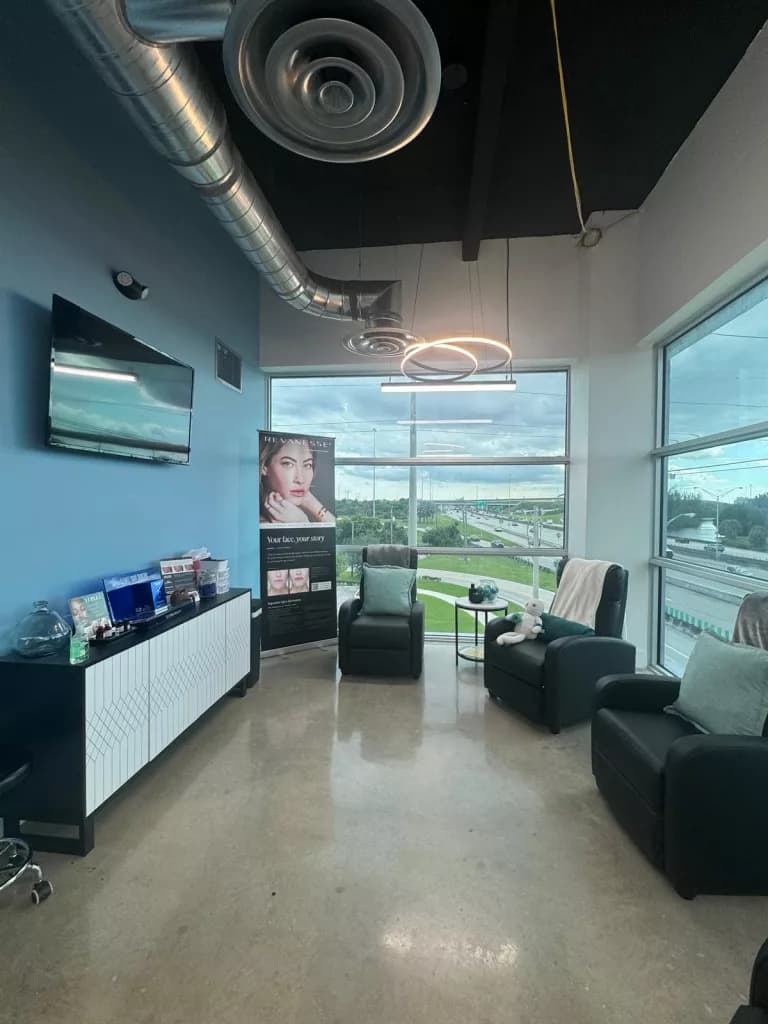
Drip Health & MedSpa | Aesthetics • Wellness • Men’s Health | Miami Lakes


Nuceria Health

Glotique
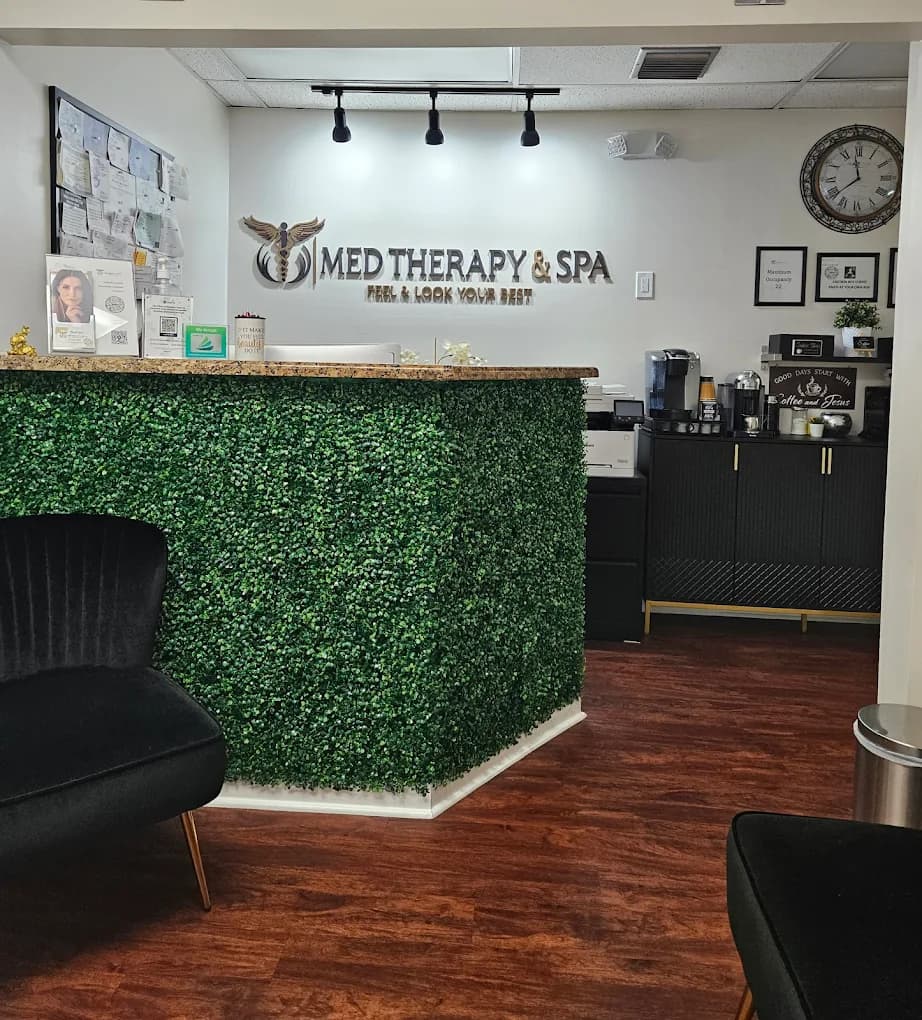
Med Therapy & Spa Inc. Botox/ Fillers/ Weight Loss/ Laser Hair Removal/ Laser Lifts/ Hormones/MD
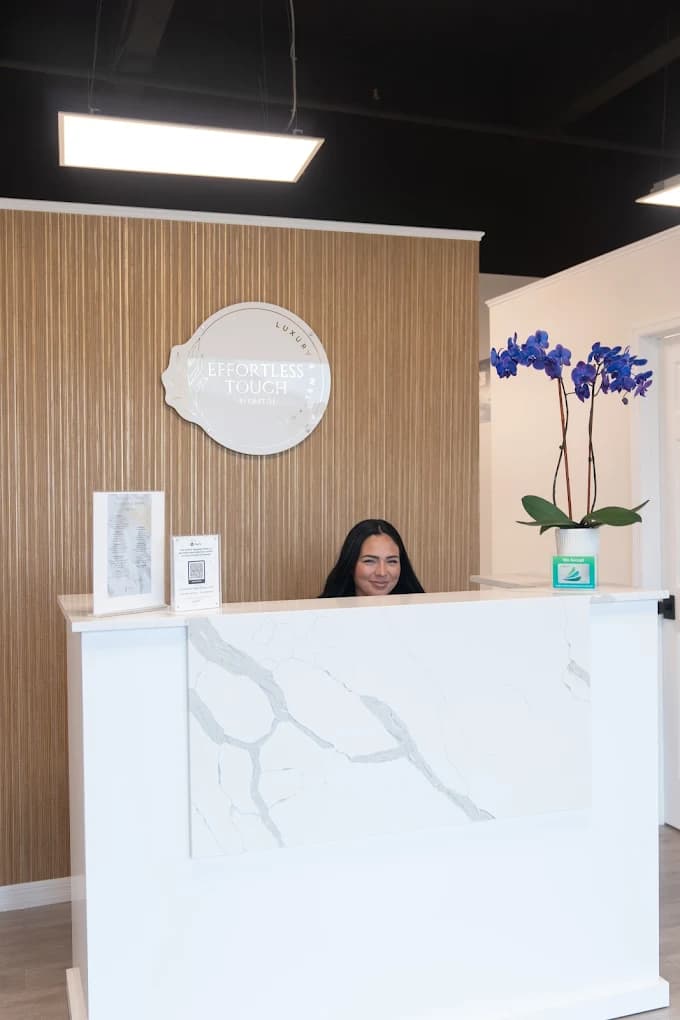
Effortless Touch Miami
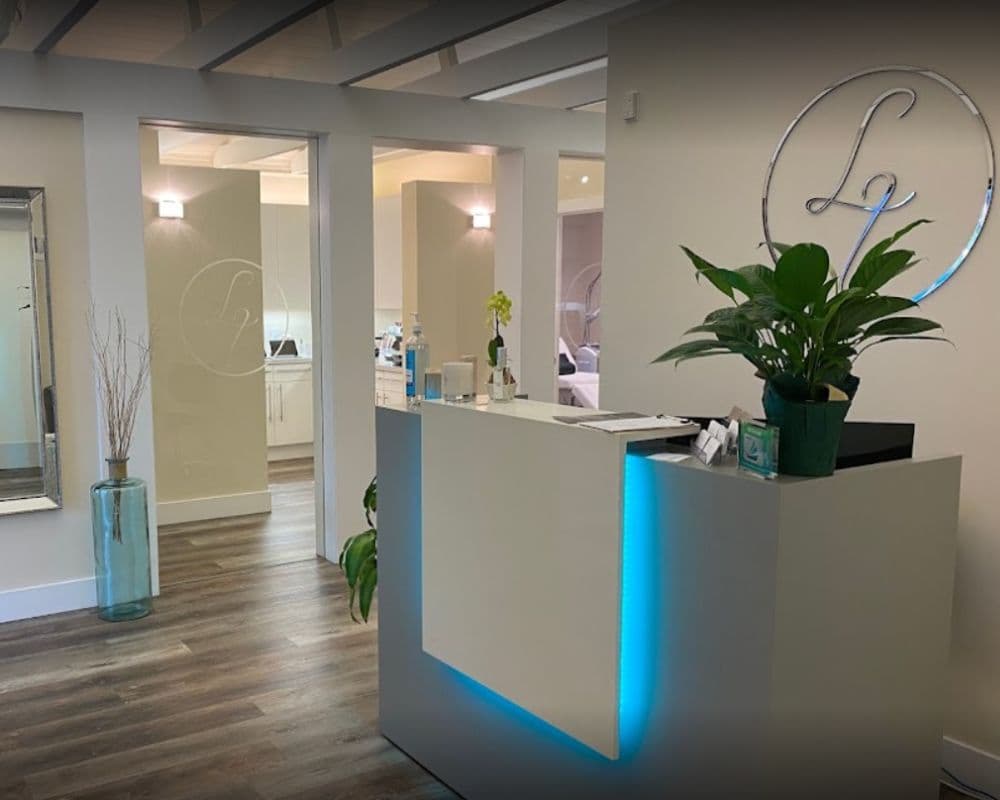
Lavish Laser Med Spa (33133)
Not sure if Initial Consultations are right for you?
Answer a few quick questions to discover treatments tailored to your goals.
FAQs
A skin consultation is a professional assessment of your skin's condition, concerns and needs performed by a qualified skincare professional such as a dermatologist, aesthetician or trained skincare consultant. The consultation evaluates your skin type, identifies concerns, discusses your goals and creates a personalized treatment or skincare plan. What happens during a skin consultation includes discussing your skin concerns and goals; reviewing your current skincare routine and products; examining your skin closely, often with magnification; assessing skin type, condition and specific issues; analyzing factors affecting your skin like lifestyle, diet and environment; discussing treatment options or product recommendations; and creating a customized skincare plan. Types of skin consultations show medical consultations with dermatologists for skin conditions, acne, suspicious lesions or medical concerns; aesthetic consultations for cosmetic treatments like injectables, lasers or chemical peels; skincare consultations for product recommendations and routine optimization; and combination consultations addressing both medical and cosmetic concerns. Who performs skin consultations includes dermatologists who are medical doctors specializing in skin; aesthetic practitioners trained in cosmetic procedures; licensed aestheticians specializing in skincare; and trained skincare consultants in clinics or retail settings. The purpose of skin consultations relates to identifying your specific skin type and concerns; understanding underlying causes of skin issues; receiving professional recommendations; creating personalized treatment plans; setting realistic expectations; and establishing ongoing skincare relationships. What is assessed during consultation shows skin type (oily, dry, combination, sensitive); skin conditions (acne, rosacea, eczema, pigmentation); signs of aging (wrinkles, laxity, sun damage); skin texture and tone; hydration levels; and any medical concerns requiring attention. A typical consultation lasts 15 to 60 minutes depending on setting and depth; medical consultations often being longer and more comprehensive; retail consultations being briefer and product-focused; and aesthetic consultations including treatment discussions.
A proper skin consultation involves a systematic professional assessment process including client interview, visual and tactile skin examination, lifestyle and product history review, concern identification and personalized recommendation development. The consultation should be thorough, educational and focused on the client's needs and goals. The consultation process steps show beginning with a client intake form documenting medical history, current concerns, skincare routine and goals; conducting a detailed interview about skin concerns, lifestyle factors and expectations; performing visual examination in good lighting; using magnification tools to assess skin closely; touching the skin to evaluate texture, hydration and elasticity; discussing findings and explaining skin conditions; and presenting personalized recommendations and treatment options. Essential consultation components include creating a welcoming, professional environment; ensuring privacy and comfort; using proper lighting for accurate assessment; having consultation forms and documentation; maintaining professional boundaries; listening actively to client concerns; and educating throughout the process. The client interview portion involves asking about primary skin concerns; reviewing current skincare products and routine; discussing lifestyle factors like sun exposure, diet, stress and sleep; understanding medical history and medications; identifying allergies or sensitivities; and clarifying treatment goals and expectations. The skin examination includes assessing overall skin type and condition; identifying specific concerns like acne, pigmentation or aging; evaluating skin texture, tone and hydration; checking for any concerning lesions; noting areas of sensitivity or inflammation; and using appropriate tools like magnifying lamps or skin analysis devices. Documentation during consultation shows recording skin type and conditions; noting specific concerns and affected areas; documenting current products and routines; listing any contraindications or cautions; writing recommended treatments or products; and creating follow-up plans. Professional recommendations include explaining why specific products or treatments are suggested; providing clear instructions for use; setting realistic expectations about results and timeframes; discussing potential side effects or reactions; offering alternatives or options; and ensuring client understanding and comfort. Follow-up planning involves scheduling treatment appointments if needed; booking review consultations to assess progress; providing written recommendations and instructions; offering contact information for questions; and establishing ongoing skincare relationship. Key consultation skills show active listening to understand concerns; asking clarifying questions; explaining concepts clearly without jargon; being honest about realistic outcomes; demonstrating products or techniques; and building trust through professionalism. What makes a good consultation includes being thorough without rushing; being educational and empowering; personalizing recommendations to the individual; considering budget and lifestyle; being honest about what can and cannot be achieved; and creating action plans the client can actually follow. Common consultation mistakes to avoid include pushing products or services unnecessarily; making unrealistic promises about results; not listening to client concerns; using intimidating medical jargon; rushing through the assessment; and failing to follow up or document properly.
For medical skin problems, you should consult a dermatologist, who is a medical doctor specializing in the diagnosis and treatment of skin, hair and nail conditions. For cosmetic concerns, you might see aesthetic doctors, plastic surgeons or qualified aesthetic practitioners depending on the treatments you are considering. When to see a dermatologist includes any changing or suspicious moles or lesions; persistent acne not responding to over-the-counter treatments; eczema, psoriasis or other chronic skin conditions; hair loss or nail problems; skin infections or rashes; skin cancer screening; medical-grade acne treatment; and any concerning skin changes. Types of dermatologists show general dermatologists treating all skin conditions; cosmetic dermatologists focusing on aesthetic procedures; pediatric dermatologists specializing in children's skin; dermatopathologists analyzing skin biopsies; and surgical dermatologists performing skin cancer removal. How to access dermatology in the UK shows NHS route requiring GP referral for medical concerns; private dermatology available with direct booking; waiting times varying significantly between NHS and private; urgent cases being prioritized appropriately; and some skin conditions requiring NHS treatment while others are private. What dermatologists can treat includes acne from mild to severe; eczema and dermatitis; psoriasis; rosacea; skin infections; hair and nail disorders; skin cancer screening and treatment; mole removal and assessment; and medical-grade skincare prescriptions. For cosmetic concerns, options show aesthetic doctors performing injectables, lasers and other procedures; plastic surgeons for surgical aesthetic procedures; qualified aesthetic nurses and practitioners for certain treatments; and dermatologists who also offer cosmetic services. When to see your GP first includes initial assessment of skin concerns; referral to dermatologist if needed; treatment of minor skin conditions; prescription of basic medications; and discussion of NHS versus private options. Private dermatology consultations show faster access without waiting; comprehensive assessment; more time for discussion; direct access without GP referral; but requiring payment for consultation and any treatments. Red flags requiring urgent medical attention include rapidly changing or bleeding moles; sudden widespread rash; severe allergic reactions; signs of skin infection; and any suspicious lesions. What to bring to dermatology appointments includes list of current medications; photos of skin concerns if they come and go; questions you want to ask; information about previous treatments; and medical history documentation. The difference between medical and cosmetic skin consultations shows medical focusing on diagnosis and treatment of conditions; cosmetic focusing on appearance enhancement; some overlap existing for conditions like acne and rosacea; and practitioners possibly offering both types of consultation.
Before a skin consultation, people typically have unclear understanding of their skin type and needs; confusion about which products or treatments are appropriate; using products that may not suit their skin; dealing with concerns without professional guidance; trying to self-diagnose skin issues; wasting money on ineffective products; frustration with lack of results; and uncertainty about how to address specific concerns. These issues often lead people to seek professional skincare guidance. After a proper skin consultation, whether medical or aesthetic, people gain significant clarity and direction for their skincare. Common benefits include clear understanding of your actual skin type and condition; professional identification of specific concerns; personalized product recommendations appropriate for your skin; customized treatment plan with realistic timelines; education about proper skincare techniques; confidence in product and treatment choices; clear roadmap for achieving skin goals; and ongoing professional relationship for skin health. The immediate outcomes from consultation show written recommendations for products or treatments; samples to try when available; scheduled treatment appointments if procedures are recommended; home care instructions; realistic expectations about results and timelines; and follow-up consultation plans. Knowledge gained from consultation includes why you are experiencing specific skin concerns; how lifestyle factors affect your skin; proper techniques for applying products; what ingredients to seek or avoid; how to build effective routines; when to expect results; and when professional treatments would be beneficial. For medical consultations, specific outcomes show accurate diagnosis of skin conditions; appropriate medical treatment plans; prescriptions when needed; monitoring plans for chronic conditions; and referrals to specialists if required. For aesthetic consultations, results include understanding treatment options for concerns; knowing which procedures suit your goals; realistic expectations about outcomes; treatment timelines and protocols; and cost considerations for various options. The empowerment factor shows confidence in making informed decisions; ability to evaluate product claims; understanding when professional help is needed; knowledge to maintain skin health; and clarity about realistic versus unrealistic expectations. Long-term benefits of consultation include avoiding wasted money on unsuitable products; preventing potential damage from incorrect treatments; achieving better results with appropriate care; maintaining skin health with proper guidance; and having professional support for ongoing concerns. Changes people experience after consultation shows switching to appropriate products for skin type; stopping harmful practices; implementing better routines; seeing improvement in skin concerns; understanding their skin better; and feeling more confident about skincare choices. What consultation prevents includes trial-and-error approach wasting time and money; using products that damage skin; missing serious skin conditions needing medical attention; inappropriate DIY treatments; and frustration from ineffective approaches. The realistic expectations gained show understanding that results take time; knowing that no product or treatment is miracle cure; accepting that some concerns cannot be completely eliminated; and recognizing the importance of consistency and patience. Before and after in terms of skincare approach demonstrates moving from reactive to proactive skin health; from guessing to informed decision-making; from product-focused to holistic approach; and from confusion to clarity and confidence. Most people find that professional skin consultation transforms their approach to skincare, providing the knowledge, confidence and personalized guidance needed to effectively address concerns and maintain skin health, with the investment in consultation being worthwhile for the clarity and direction it provides.