mesotherapy for hair
Southend on sea

Mesotherapy for hair in Southend on sea

Book from 3+ сlinics near you
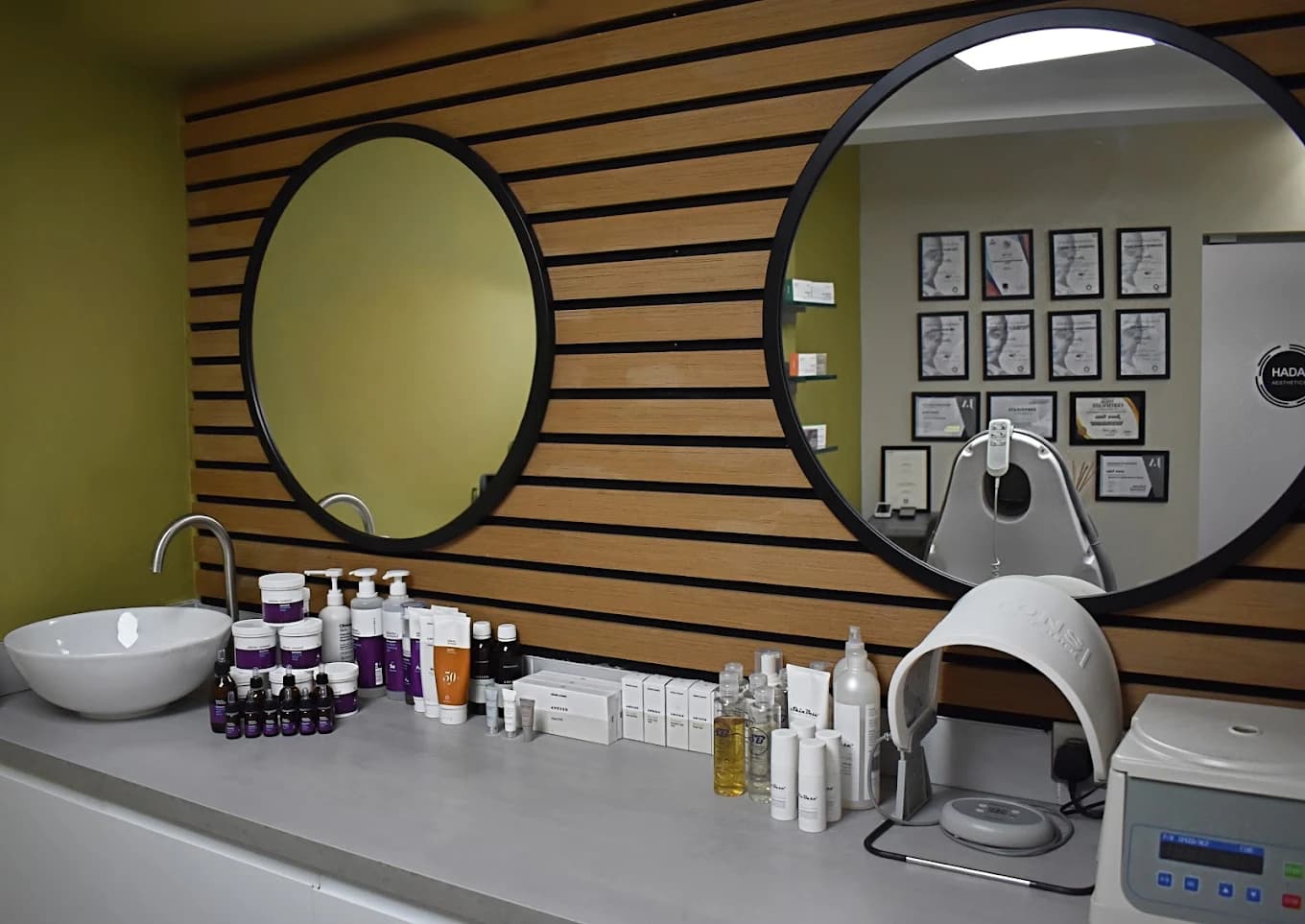
Hada Aesthetics
star
5.0
(78 reviews)
£££
SS9 1BZ, Leigh Road, Leigh-on-seaSS9 1BZ, Leigh Road, Leigh-on-sea
Get directionsGet directions to Hada Aesthetics
I’ve been to Hada Aesthetics many times and have always had a fantastic experience. Jason is professional, knowledgeable, and extremely helpful. He’s passionate about helping people look their best in a natural way, which I really appreciate. I highly recommend him!

I’ve been to Hada Aesthetics many times and have always had a fantastic experience. Jason is professional, knowledgeable, and extremely helpful. He’s passionate about helping people look their best in a natural way, which I really appreciate. I highly recommend him!

Meso-therapy Hair Treatment - course of 3

£360
Get recommendation

Too Many Options?

Get free advice from our team — we'll help you find the perfect match.

Free consultation
Too Many Options?
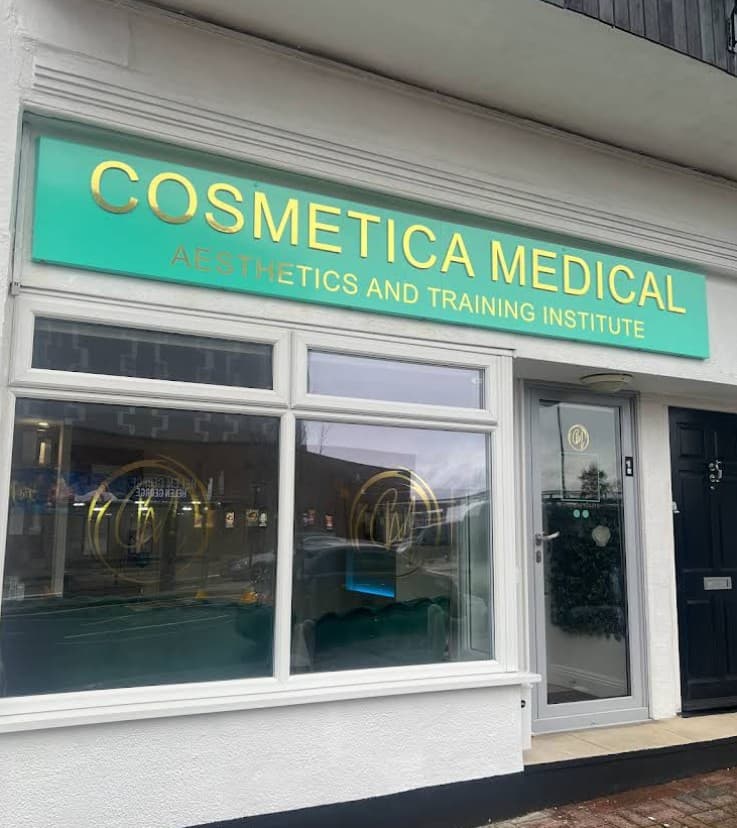
Cosmetica Medical aesthetics and training institute
star
5.0
(69 reviews)
£££
SS0 7RA, 15 Station Road, Southend-on-SeaSS0 7RA, 15 Station Road, Southend-on-Sea
Get directionsGet directions to Cosmetica Medical aesthetics and training institute
It's been over a year now since I've started getting lip fillers done by Becky at Cosmetica Medical Aesthetics. I've always wanted to try lip filler; I told myself that if I had disliked it on myself I would've just let it fade away once my body broke it all down, and if I had liked it I would continue getting it done. Becky had an offer last year for lip fillers, she was looking for models who had never had lip filler before and was offering a discount so she could further her portfolio for the Russian lips technique. I did my research and I was impressed by her experience, qualifications and the photographs of her past work, so I went ahead and contacted her regarding that offer. I can easily say that I can't imagine not having my lips done now, nor can I imagine going to someone other than Becky. She's always happy to hear what my vision for my lips is, always asks at the beginning of our appointment what sort of shape or change that I'm looking for, and she's also happy to share her expertise and recommend things- last time (which was at the beginning of this month actually) she mentioned injecting a tiny bit of the filler in the outer corners as my smile had become a little downturned from how much filler I personally like to have in them, and I was like yeah, let's try that out! I was genuinely surprised how such a small amount of filler improved their overall appearance. Becky is so knowledgeable and really knows what areas to focus on for specific results. She's also such a calm, kind person and I always feel so welcomed and relaxed when I come to see her. I'm already looking forward to when I make my next appointment!

It's been over a year now since I've started getting lip fillers done by Becky at Cosmetica Medical Aesthetics. I've always wanted to try lip filler; I told myself that if I had disliked it on myself I would've just let it fade away once my body broke Read more

Vitamin C

£40

Hayfever (Kenalog)

£70
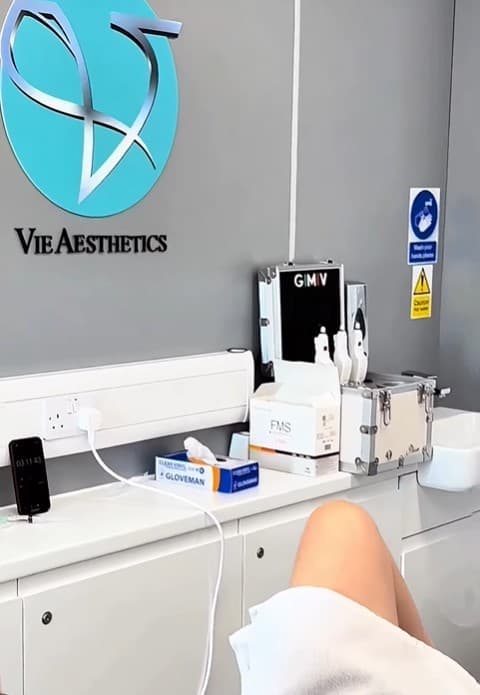
Vie Aesthetics (SS6 7HP)
star
4.9
(339 reviews)
£££
SS6 7HP, 78 London Hill, RayleighSS6 7HP, 78 London Hill, Rayleigh
Get directionsGet directions to Vie Aesthetics (SS6 7HP)
I had intimate rejuvenation at the Vie Aesthetics Rayleigh Clinic and all I can say is WOW! From the exceptional hospitality of the staff to the cleanliness, innovative technology and high end products. My treatment has been life changing and I appreciate the attention to detail, patience and consideration throughout. Thank you to the team for making what could otherwise have been an awkward or embarrassing procedure so quick, comfortable and convenient for me, so that I could return to my day with my procedure totally undetectable. I am over the moon with my results, my partner is equally just as happy and you've given me a new zest for life as I approach my 40's. Highly recommended 5*****

I had intimate rejuvenation at the Vie Aesthetics Rayleigh Clinic and all I can say is WOW! From the exceptional hospitality of the staff to the cleanliness, innovative technology and high end products. My treatment has been life changing and I appreciate the attention to detail, patience and Read more

Vitamin B12 £27.50 (with IV therapy) or £38 (separately)

£27-£38

Vitamin D Injection £35 per injection

£35

IV Drip- ATP-Energiser £248 (single); £687 (course of three) Hair nourishment and shine

£248-£687
New to Mesotherapy for Hair?

New to Mesotherapy for Hair?

Learn what this treatment is and how it works.

Explore Guides
About Mesotherapy for hair

About Mesotherapy for hair

If you're looking for Mesotherapy for hair in Southend on sea, MARBL makes it easy to compare medical-led clinics in one place. You can compare local clinics for Mesotherapy for hair in Southend on sea without endless searching. Prices typically range from around £70 to £360, depending on the clinic, treatment area and number of sessions. All clinics on MARBL are medical-led and carefully vetted – we list only around 10% of clinics in the UK that meet our safety and quality standards. Browse verified reviews and book your appointment online in just a few clicks.

Mesotherapy for hair treatments deliver customized cocktails of vitamins, minerals, amino acids, and growth factors directly into the scalp through micro-injections to nourish follicles and stimulate growth. These targeted procedures address hair thinning, loss, and poor scalp health by providing essential nutrients and stimulating substances directly to hair roots. The treatments offer both immediate nourishment and progressive improvement through enhanced follicle nutrition and stimulation.

Clinics on MARBL offering mesotherapy for hair are carefully vetted for hair restoration technology, scalp assessment, and comprehensive hair regrowth protocols. Treatments are performed by certified hair restoration specialists with expertise in scalp health, follicle biology, and advanced regenerative protocols. On each clinic page, you'll find detailed information about practitioner qualifications, treatment approaches, and guidance on achieving optimal results through professional care and comprehensive treatment support.

Sessions typically take 30-45 minutes per treatment, with initial improvements visible within 4-6 weeks and optimal growth stimulation achieved through regular treatment series. MARBL gives you everything you need to book confidently: transparent pricing, real-time availability, verified reviews, and certified mesotherapy for hair specialists near you.
Aesthetic treatments similar to Mesotherapy for Hair that may interest you

other popular treatments

Anti-Wrinkle Injections

Anti-Wrinkle Injections

£30-£566
Book Now
Laser Hair Removal

Laser Hair Removal

£25-£725
Book Now
Lip Filler

Lip Filler

£120-£600
Book Now
Dermal Fillers

Dermal Fillers

£41-£550
Book Now
Profhilo

Profhilo

£250-£760
Book Now
Chemical Peels

Chemical Peels

£50-£1,520
Book Now
HydraFacial

HydraFacial

£70-£325
Book Now
Microneedling

Microneedling

£150-£1,488
Book Now

FAQs

Mesotherapy for hair is a non-surgical hair restoration treatment that involves injecting a customized cocktail of vitamins, minerals, amino acids, growth factors and sometimes medications directly into the scalp's mesoderm layer using multiple micro-injections to nourish hair follicles, improve scalp circulation, stimulate hair growth and reduce hair loss. How mesotherapy works for hair shows multiple small injections delivering nutrients directly to hair follicles; bypassing digestive system for maximum bioavailability; improving blood microcirculation in scalp; delivering growth-promoting compounds; reducing inflammation; and stimulating dormant follicles. The mesotherapy cocktail ingredients typically include vitamins (B-complex, biotin, vitamin C); minerals (zinc, copper, magnesium); amino acids (L-cysteine, L-lysine); coenzymes (coenzyme Q10); hyaluronic acid; peptides; growth factors; and sometimes minoxidil or finasteride. What mesotherapy treats for hair includes androgenetic alopecia (pattern hair loss) in men and women; diffuse thinning and reduced density; weak or brittle hair; poor scalp circulation; inflammatory scalp conditions; and hair loss from stress or nutritional deficiency. The treatment procedure involves scalp cleansing and assessment; marking injection points across thinning areas; multiple micro-injections 1-2cm apart; using very fine needles or mesotherapy gun; treating entire affected scalp; sessions taking 20-30 minutes; and minimal discomfort. Treatment protocols show initial phase with 6-10 sessions; weekly or bi-weekly treatments initially; maintenance every 4-6 weeks; and individualized based on response. The mechanism for hair improvement demonstrates nutrients reaching follicles directly; improved microcirculation delivering oxygen; anti-inflammatory effects; growth factors stimulating follicles; and comprehensive nourishment supporting hair health. Who can benefit from mesotherapy includes people with early to moderate hair loss; those with nutritional factors affecting hair; patients seeking non-surgical options; people wanting to enhance other hair treatments; and those with viable hair follicles.

Mesotherapy for hair loss shows promise and works for some people, with studies demonstrating improvements in hair density and thickness, reduced shedding and new growth in many cases, though scientific evidence is less robust than for PRP therapy and results vary significantly between individuals and treatment protocols. Clinical evidence for mesotherapy includes some studies showing increased hair count; patient-reported improvements in density; reduced hair shedding; enhanced hair quality; and satisfaction in case series, but lack of large, high-quality randomized controlled trials. What mesotherapy can achieve shows 30-50% improvement in hair density for responders; reduced daily hair shedding; improved hair thickness and quality; stimulation of some dormant follicles; healthier scalp condition; and support for overall hair health. The variability in results relates to mesotherapy cocktails not being standardized; ingredients and concentrations varying widely; practitioner technique differences; individual biological response variation; and lack of uniform protocols. Factors affecting effectiveness include the specific cocktail formulation; quality of ingredients used; injection technique and depth; treatment frequency and consistency; underlying cause of hair loss; and individual response factors. Who responds best to mesotherapy shows people with nutritional factors affecting hair; early to moderate androgenetic alopecia; stress-related hair loss; inflammatory scalp conditions; and those with viable though miniaturized follicles. What mesotherapy cannot do includes not treating completely bald areas; not preventing genetic hair loss permanently; not working for scarring alopecia; not providing guaranteed results; and requiring ongoing treatment. Comparing mesotherapy to other treatments demonstrates PRP having stronger clinical evidence; medical treatments (minoxidil, finasteride) having proven efficacy; mesotherapy possibly working as adjunctive treatment; and combination approaches being common. Realistic expectations about mesotherapy effectiveness include understanding results being modest not dramatic; improvement developing gradually over months; not working equally for everyone; requiring maintenance treatments; and being part of comprehensive approach. The mechanism supporting potential effectiveness shows direct nutrient delivery to follicles; improved microcirculation; growth factor stimulation; anti-inflammatory effects; and comprehensive follicle support. Limitations of evidence include lack of standardized protocols; few high-quality studies; variable cocktail compositions; and difficulty comparing results across studies. When mesotherapy might work well relates to early intervention; combination with other treatments; addressing nutritional factors; supporting overall hair health; and appropriate candidate selection. Most hair loss specialists view mesotherapy as potentially beneficial adjunctive treatment for appropriate candidates, particularly when combined with proven therapies like minoxidil or PRP, though acknowledging that evidence quality is limited and individual response is unpredictable compared to more established hair loss treatments.

Most mesotherapy for hair loss protocols recommend an initial intensive phase of 6 to 10 sessions performed weekly or bi-weekly, followed by maintenance treatments every 4 to 8 weeks to sustain results, with the exact number depending on individual response, severity of hair loss and specific protocol used. The standard treatment protocol shows initial phase with 8-10 sessions typically; weekly treatments for first 4-6 weeks; then bi-weekly for remainder of initial phase; assessment after initial phase; maintenance every 4-6 weeks; and long-term commitment. Why multiple sessions are needed relates to hair growth being gradual process; follicles requiring repeated nourishment; cumulative effects building over time; hair cycle phases necessitating multiple treatments; and sustained delivery being important. Factors affecting session number include severity and duration of hair loss; individual response to treatment; specific mesotherapy cocktail used; combining with other treatments; and practitioner protocol preferences. Alternative treatment schedules show some protocols using 6 sessions over 6 weeks; others recommending 10-12 initial treatments; intensive approaches with weekly sessions for 3 months; and individualization based on response. When to expect visible results demonstrates reduced shedding possible after 3-4 sessions; early improvements visible after 6-8 treatments; significant changes at 3-6 months; optimal results after completing series; and patience being essential. The maintenance phase importance shows mesotherapy effects being temporary; maintenance sustaining improvements; typically every 4-8 weeks; some people needing more frequent sessions; and ongoing treatment optimizing results. Comparing to other treatments shows mesotherapy requiring more frequent sessions than PRP; similar maintenance schedule to some approaches; and being part of ongoing hair care routine. Treatment commitment considerations include initial series requiring 2-3 months; maintenance being ongoing indefinitely; time investment for appointments; and viewing as long-term commitment. When more sessions might be needed includes advanced hair loss requiring extended treatment; poor initial response needing protocol adjustment; extensive thinning areas; and some people benefiting from 12-15+ initial sessions. Assessment and adjustment shows monitoring response during initial phase; adjusting cocktail formulation if needed; varying maintenance frequency based on results; some people maintaining with less frequent treatments; and individualized approach being key. The investment consideration involves initial series being concentrated expense and time; maintenance adding ongoing costs; cumulative investment over years; and weighing against other treatment options. Most practitioners recommend committing to at least 8-10 initial sessions before assessing effectiveness, understanding that visible results take several months to develop and that regular maintenance treatments are necessary to sustain any improvements, making mesotherapy an ongoing commitment rather than a quick fix for hair loss.

Mesotherapy for hair causes mild to moderate discomfort during treatment, with most people rating pain as 3 to 5 out of 10, describing it as multiple pinpricks or stinging sensations across the scalp that are tolerable though not pleasant, with pain being brief and manageable for most patients. What mesotherapy feels like includes multiple quick needle pricks; stinging sensation with each injection; mild burning from injected solution; discomfort being brief per injection point; scalp being relatively sensitive area; and treatment covering entire affected area. Pain factors affecting discomfort include number of injections (typically 30-100+); needle size and technique; individual pain tolerance; scalp sensitivity; injection speed; and whether numbing is used. Pain management options include topical numbing cream applied 30-60 minutes before treatment; ice packs before and after; taking paracetamol beforehand; breathing techniques and relaxation; mesotherapy guns sometimes being faster and less painful than manual; and experienced practitioners minimizing discomfort. Comparing pain to other treatments shows mesotherapy being less painful than PRP; more uncomfortable than topical treatments; similar to acupuncture; and being generally well-tolerated. What makes pain tolerable includes each injection being very quick; brief momentary discomfort; knowing it helps hair growth; treatment being over in 20-30 minutes; and discomfort stopping immediately after. After treatment discomfort shows mild tenderness for hours; slight scalp sensitivity; possible mild swelling; minimal actual pain; and most people resuming activities immediately. Pain variation by individual demonstrates some people finding it barely noticeable; others being more sensitive; anxiety affecting pain perception; and tolerance often improving with subsequent sessions. Techniques reducing discomfort include skilled practitioners injecting quickly; using finest needles; proper injection depth; distraction during treatment; and efficient systematic approach. What causes the sensation relates to multiple scalp injections; needle penetration; solution entering tissue; scalp having nerve endings; and psychological anticipation. Patient experiences show most describing it as tolerable and manageable; less painful than expected; comparable to having blood drawn repeatedly; and worth it for results; with few people finding it unbearable. When pain might be higher includes very sensitive individuals; extensive treatment areas; deeper injections; first session often being worst; and anxiety increasing perception. Most people find mesotherapy for hair to be uncomfortable but tolerable, significantly less painful than expected, and manageable without significant pain relief, with the brief discomfort during treatment being acceptable given the potential benefits for hair growth and density.

PRP therapy is generally considered more effective for hair loss than mesotherapy based on stronger clinical evidence, more standardized protocols and proven biological mechanisms, though some practitioners use both treatments together or choose based on individual patient factors, with PRP having the edge for most cases of androgenetic alopecia. PRP advantages over mesotherapy include stronger clinical evidence from multiple trials; more standardized preparation protocols; proven mechanism with growth factors; better documented results; FDA-cleared devices; and being considered more established treatment. Mesotherapy advantages show potentially lower cost per session; no blood draw required; customizable cocktail formulations; possibly less invasive feeling; and working through different mechanism. Evidence comparison demonstrates PRP having numerous peer-reviewed studies; clear documentation of hair count increases; proven follicle stimulation; and being more researched, while mesotherapy having limited high-quality studies; variable protocols; less standardized evidence; and being more practitioner-dependent. Effectiveness comparison shows PRP typically producing 20-40% hair density improvement; mesotherapy achieving 20-30% improvement in responders; PRP having more predictable outcomes; and individual variation existing for both. The mechanism differences include PRP using concentrated growth factors from your own blood; providing multiple growth factors simultaneously; scientifically proven follicle stimulation; while mesotherapy delivers vitamins, minerals and nutrients; supports follicle health through nourishment; and uses pharmaceutical approach. Treatment protocols differ with PRP requiring 3-4 initial sessions 4-6 weeks apart; mesotherapy needing 6-10 sessions weekly/bi-weekly; PRP having longer intervals; and both requiring maintenance. Cost considerations show PRP typically costing more per session; mesotherapy possibly being more affordable; but PRP requiring fewer sessions; and overall investment being comparable. When PRP is preferred includes pattern hair loss being primary indication; seeking treatment with strongest evidence; preferring standardized protocols; and wanting proven growth factor stimulation. When mesotherapy might be chosen relates to PRP not being tolerated or available; preferring no blood draw; wanting customized nutrient approach; combining with other treatments; and practitioner recommendation. The combination approach shows some clinics offering both; alternating treatments; using PRP for growth factors and mesotherapy for nutrients; comprehensive follicle support; and individualized protocols. Who benefits from each includes PRP working well for androgenetic alopecia; mesotherapy possibly helping nutritional factors; both supporting hair health; and appropriate candidate selection mattering. Most hair loss specialists prefer PRP therapy as primary injection treatment for androgenetic alopecia due to stronger evidence and more predictable outcomes, though some use mesotherapy as adjunctive treatment or for specific indications, with the choice ultimately depending on individual circumstances, practitioner expertise and patient preferences.

No, mesotherapy for hair is not permanent, with any improvements in hair density, thickness or reduced shedding being temporary and requiring ongoing maintenance treatments every 4 to 8 weeks to sustain results, as the treatment provides temporary follicle support without addressing underlying genetic or hormonal causes of hair loss. Why mesotherapy results are temporary relates to nutrients being metabolized over time; follicles requiring continued support; not changing genetic factors; hormonal influences continuing; and effects diminishing without maintenance. How long mesotherapy results last shows improvements being noticeable during active treatment phase; benefits declining over 4-8 weeks without treatment; gradual return to baseline; maintenance preventing decline; and ongoing treatment sustaining results. The temporary nature of effects demonstrates mesotherapy nourishing follicles temporarily; improving circulation acutely; not permanently changing follicle function; genetic hair loss continuing underneath; and requiring continued treatment. Maintenance requirements show most protocols recommending sessions every 4-8 weeks; some people needing monthly maintenance; occasional treatments maintaining improvements; and long-term commitment being necessary. What happens if you stop mesotherapy includes gradual decline in improvements over 2-3 months; hair density returning toward baseline; increased shedding possibly resuming; and losing gained benefits without maintenance. Comparing permanence to other treatments shows mesotherapy being similar to topical minoxidil in requiring ongoing use; PRP also needing maintenance; hair transplant providing permanent transplanted hair; and no medical treatment permanently curing genetic hair loss. The underlying cause persistence relates to androgenetic alopecia being chronic condition; genetic and hormonal factors continuing; mesotherapy supporting but not curing; and ongoing treatment addressing ongoing process. Cost and commitment implications include initial series plus years of maintenance; cumulative expense over time; viewing as ongoing investment; and sustainability being consideration. When mesotherapy might have longer effects includes addressing temporary factors like nutritional deficiency; stress-related hair loss improving; but genetic hair loss requiring ongoing treatment; and individual variation existing. Realistic expectations about permanence include understanding mesotherapy being maintenance treatment not cure; genetic hair loss being chronic; results requiring continued treatment; temporary support for follicles; and similar to many medical treatments. Treatment philosophy shows viewing as ongoing hair health support; part of comprehensive approach; maintenance being expected; commitment being long-term; and managing expectations appropriately. Most people undergoing mesotherapy for hair loss accept the temporary nature of results, understanding that like most non-surgical hair treatments, ongoing maintenance is necessary to sustain improvements, making it a long-term commitment to hair health rather than a one-time permanent solution, similar to taking daily vitamins for overall health.

Before mesotherapy for hair treatment, people typically have progressive hair thinning and loss affecting confidence; visible scalp showing through hair; reduced hair density; weaker, finer hair quality; increased daily shedding; unsuccessful attempts with topical products alone; diffuse thinning or pattern hair loss; and frustration with ongoing hair loss despite various efforts. After mesotherapy for hair treatment, following completion of recommended initial series (6 to 10 sessions performed weekly or bi-weekly) combined with ongoing maintenance treatments (every 4 to 8 weeks) and allowing adequate time for follicle response and hair growth (results assessed at 4 to 6 months), appropriate candidates who respond to treatment experience variable but often meaningful improvements. Common results from mesotherapy for hair include reduced daily hair shedding becoming noticeable first; improved hair quality, thickness and strength; new baby hairs appearing in thinning areas; 20-30% increase in hair density for responders; healthier scalp condition; enhanced overall hair appearance; fuller-looking hair; and improved confidence about hair. The improvement timeline demonstrates months 1-2 showing reduced shedding for many people; months 2-3 with continued shedding decrease and early quality improvement; months 3-4 showing visible new growth; months 4-6 with increased density becoming apparent; and maintenance sustaining improvements. Physical transformation includes visibly thicker, fuller-appearing hair; reduced scalp visibility; improved hair texture and shine; healthier scalp; better styling ability; and more confident appearance. The psychological impact shows enhanced self-confidence about hair; reduced anxiety about hair loss; improved self-image; feeling more attractive; and better quality of life. The degree of improvement depends significantly on baseline severity of hair loss; specific mesotherapy cocktail formulation; consistency with treatment protocol; individual biological response and age; combining with other treatments; underlying cause of hair loss; and realistic expectations. Typical outcomes show responders experiencing 20-40% improvement in perceived hair density; significant reduction in shedding; improved hair quality and thickness; gradual visible enhancement; and high satisfaction when expectations are appropriate, though individual variation is significant. The reality of results includes not everyone responding equally to treatment; some people experiencing minimal benefit; approximately 60-70% seeing meaningful improvement; significant individual variation; and predicting response being difficult. Before and after expectations should be realistic: mesotherapy provides modest improvement not dramatic transformation; results are gradual over 4-6 months; increased density and quality being typical outcomes rather than full regrowth; maintenance every 4-8 weeks being required indefinitely; approximately 30-40% of people experiencing minimal benefit; results varying significantly; and being part of comprehensive hair loss management. Factors affecting final results include completing all recommended initial sessions; maintaining consistent treatment schedule; religious adherence to maintenance protocol; combining with proven treatments like minoxidil; using quality medical-grade products; avoiding factors worsening hair loss; managing expectations appropriately; and individual response variation. Most people who respond positively to mesotherapy report meaningful improvement in hair density and quality; significant reduction in shedding; treatment supporting overall hair health; maintenance being manageable; and viewing it as worthwhile component of comprehensive hair loss management, though acknowledging that results are modest, highly variable, and require ongoing commitment. To explore whether mesotherapy might benefit your hair loss, book a consultation on MARBL with a qualified hair restoration specialist who can properly assess your hair loss type, discuss realistic expectations, explain whether mesotherapy is appropriate for your situation, and potentially recommend combining it with proven treatments like minoxidil or PRP for comprehensive, optimized hair loss management.