



mandelic acid peel
Birmingham

Mandelic acid peel in Birmingham

Book from 2+ сlinics near you
Rejuven8 Skin Clinic
star
4.9
(184 reviews)
£££
B28 8AE, 1126 Stratford Road, BirminghamB28 8AE, 1126 Stratford Road, Birmingham
Get directionsGet directions to Rejuven8 Skin Clinic
I have had a number of hydrafacials at Rejuven8’s clinic plus other treatments. Todays facial was with Afshan who is amazing she took extra time and a lot of care with my skin looking glowing and hydrated afterwards I would highly recommend the clinic and Afshan. They take time and care to personalise the treatment to what you need.

I have had a number of hydrafacials at Rejuven8’s clinic plus other treatments. Todays facial was with Afshan who is amazing she took extra time and a lot of care with my skin looking glowing and hydrated afterwards I would highly recommend the clinic and Afshan. They take time and care to personalise the treatment to what you need.

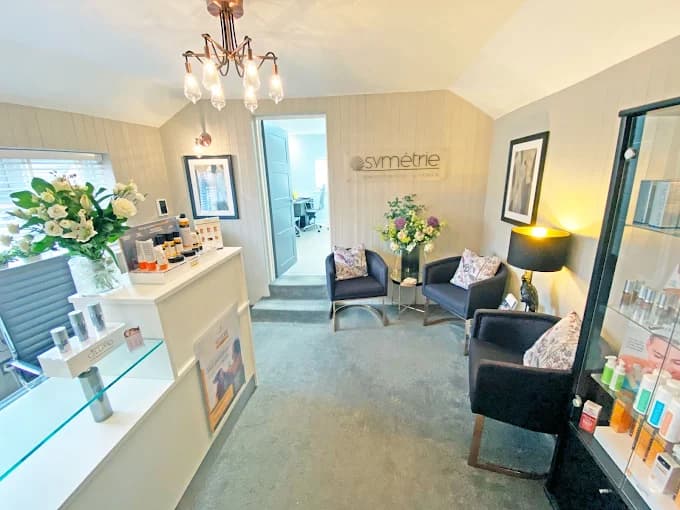
Symétrie Aesthetics Clinic
star
4.9
(65 reviews)
£££
DY8 2JD, 144 Hagley Road, StourbridgeDY8 2JD, 144 Hagley Road, Stourbridge
Get directionsGet directions to Symétrie Aesthetics Clinic
Tracy is the best at what she does. Always amazing service from both Vaughn and Tracy.
Always checking you are ok and that you are comfortable with everything. I love how friendly the clinic is, I wouldn’t go anywhere else for my treatments.

Tracy is the best at what she does. Always amazing service from both Vaughn and Tracy. Always checking you are ok and that you are comfortable with everything. I love how friendly the clinic is, I wouldn’t go anywhere else for my treatments.

New to Chemical Peels?

New to Chemical Peels?

Learn what this treatment is and how it works.

Learn more

reviews

Fatim Bandali-0-starFatim Bandali-1-starFatim Bandali-2-starFatim Bandali-3-starFatim Bandali-4-star

If there was anything more then 5 star I would award that to Baneen. Such a professional individual who is so kind and caring. Baneen is very honest and she will advise on what looks good on you and what works for you rather then just sell you products. Absolutely loved my chemical peel. Thank you for your time and advise. Highly recommend.

Fatim Bandali

Fatim Bandali

October 27
S B-0-starS B-1-starS B-2-starS B-3-starS B-4-star

I had such a great experience with my chemical peel! Baneen is incredibly knowledgeable and took the time to explain every step of the process, which really helped me feel comfortable. What I appreciated most was how she tailored the treatment specifically to my skin type—nothing felt rushed or generic. She also gave me a generous amount of samples to try before committing to any full-size products, which was such a thoughtful touch. My skin is already looking and feeling amazing. Highly recommend!

S B

S B

October 14
Kara-0-starKara-1-starKara-2-starKara-3-starKara-4-star

Visited for my first chemical peel with Anastasia, she was friendly and informative about my skin concerns. Heather on the front desk was also very friendly and helpful! Would recommend :)

Kara

Kara

October 19
Harmol Sehmi-0-starHarmol Sehmi-1-starHarmol Sehmi-2-starHarmol Sehmi-3-starHarmol Sehmi-4-star

I have had 2 sessions of the biorepeel so far and loved my results soo much. Nina is so attentive and such a lovely person. Really glad I found her as she is making me feel much more confident in my make up free skin ❤️

Harmol Sehmi

Harmol Sehmi

September 7
Bethany-0-starBethany-1-starBethany-2-starBethany-3-starBethany-4-star

Started my pre wedding skincare prep with Kamal 2 months ago and I have already noticed a massive difference. Had an initial consultation and was recommended some small additions to my skincare routine, keeping it very simple to follow & then had my first chemical face peel today… excited to see the results! Kam is great, she explains everything throughly, follows up with any instructions and guidance and advised what is best for you and never pressures you into anything! Thanks so much! Bring on the wedding skin!

Bethany

Bethany

2024, October 25
About Mandelic acid peel

About Mandelic acid peel

If you're looking for Mandelic acid peel in Birmingham, MARBL makes it easy to compare medical-led clinics in one place. You can compare local clinics for Mandelic acid peel in Birmingham without endless searching. Prices typically range from around £80 to £300, depending on the clinic, treatment area and number of sessions. All clinics on MARBL are medical-led and carefully vetted – we list only around 10% of clinics in the UK that meet our safety and quality standards. Browse verified reviews and book your appointment online in just a few clicks.

Mandelic Acid Peel uses carefully formulated acid solutions to exfoliate and renew skin by removing damaged outer layers. This professional chemical peel treatment addresses concerns like fine lines, sun damage, acne scarring, hyperpigmentation, and uneven texture through controlled skin exfoliation. The customized peel strength stimulates cellular turnover and collagen production for improved skin clarity, tone, and overall quality.

On MARBL, every clinic offering mandelic acid peel is vetted for chemical peel protocols, skin assessment capabilities, and appropriate strength selection. Treatments are performed by trained skin specialists with expertise in chemical exfoliation and skin health. Each clinic listing includes transparent pricing, detailed procedure information, and guidance on achieving optimal results through professional care.

Chemical peel sessions typically take 30-60 minutes depending on peel strength, with visible skin improvement within 1-2 weeks. Optimal results are achieved through treatment series for deeper concerns, with enhanced clarity and smoothness developing progressively. You can compare certified specialists near you, check real-time availability, view verified reviews, and book mandelic acid peel sessions directly through MARBL — achieving your aesthetic goals has never been more convenient.
Aesthetic treatments similar to Mandelic Acid Peel that may interest you

other popular treatments

Anti-Wrinkle Injections

Anti-Wrinkle Injections

£30-£566
Book Now
Laser Hair Removal

Laser Hair Removal

£25-£725
Book Now
Lip Filler

Lip Filler

£120-£600
Book Now
Dermal Fillers

Dermal Fillers

£41-£550
Book Now
Profhilo

Profhilo

£250-£760
Book Now
HydraFacial

HydraFacial

£70-£325
Book Now
Microneedling

Microneedling

£150-£1,488
Book Now
Polynucleotides

Polynucleotides

£225-£650
Book Now

FAQs

Mandelic acid can cause skin peeling, though the amount of visible flaking depends on the concentration used, your skin's tolerance and how frequently you apply it. As an alpha hydroxy acid (AHA), mandelic acid works by dissolving the bonds between dead skin cells, promoting exfoliation and cell turnover. At lower concentrations (5% to 10%) found in daily-use products like serums and toners, mandelic acid typically causes gentle, microscopic exfoliation that is not visible as dramatic peeling; you may notice smoother texture and minor flaking but usually not obvious shedding; and this level is designed for regular use without significant visible peeling. At medium concentrations (20% to 40%) used in at-home peels or professional treatments, mandelic acid can cause light to moderate visible peeling beginning 2 to 4 days after application; noticeable flaking that is generally less intense than stronger peels; and results developing over several days as old skin sheds. At higher concentrations (40% to 50%+) used in professional chemical peels, mandelic acid causes more significant visible peeling with noticeable skin shedding over 3 to 7 days; the degree of peeling depending on concentration and application time. Mandelic acid is known for being one of the gentlest AHAs due to its larger molecular size, which means it penetrates more slowly and causes less irritation than glycolic acid. This makes it particularly suitable for sensitive skin types and those prone to post-inflammatory hyperpigmentation. The absence of visible peeling does not mean the acid is not working, as exfoliation occurs at a cellular level even without obvious shedding.

In Birmingham, the price of Mandelic Acid Peel typically ranges from around £89 to £89. Prices vary between clinics in Birmingham and will be influenced by the treatment area, the concentration and brand of mandelic acid used, the number of sessions recommended and the practitioner’s experience. If you’re wondering how much Mandelic Acid Peel costs in Birmingham or the price of Mandelic Acid Peel in Birmingham, expect quotes to reflect a personalised treatment plan and clinic location. You can find the exact, up-to-date price for this treatment in the catalogue

Using a mandelic acid peel correctly ensures safe, effective results while minimising the risk of irritation or complications. The application process differs between at-home peels and professional treatments, and following proper protocols is essential. For at-home mandelic acid peels, the general process involves cleansing your face thoroughly with a gentle, non-active cleanser and patting completely dry; applying the mandelic acid peel solution evenly across the face using fingertips or a fan brush, avoiding the eye area, lips and any broken skin; leaving the peel on for the recommended time, typically 3 to 10 minutes depending on concentration and product instructions; monitoring your skin for excessive stinging, burning or discomfort; neutralising if required by the product or rinsing thoroughly with cool water when the time is complete; and applying a gentle, hydrating moisturiser and SPF if during daytime. Important guidelines include starting with shorter application times, especially if new to mandelic acid, and gradually increasing as tolerated; never exceeding the recommended time on the product instructions; discontinuing immediately and rinsing if you experience severe burning, pain or unusual reactions; avoiding use on sunburned, irritated or compromised skin; and not combining with other active ingredients like retinoids, vitamin C or other acids on the same day. Before using a mandelic acid peel, avoid other exfoliating products for 2 to 3 days before treatment; ensure skin is healthy and not irritated; and consider patch testing if using a new product. After the peel, use SPF 50+ daily, keep skin hydrated, avoid other actives for 48 to 72 hours, and do not pick at any flaking skin.

A mandelic acid peel is a chemical exfoliation treatment that uses mandelic acid, an alpha hydroxy acid (AHA) derived from bitter almonds, to remove dead skin cells, improve skin texture and address various skin concerns. The treatment involves applying a solution containing mandelic acid to the skin for a specified time, allowing it to dissolve the bonds between dead skin cells and promote renewal. Mandelic acid is unique among AHAs due to its larger molecular size, which is roughly twice the size of glycolic acid. This larger molecule penetrates the skin more slowly and evenly, resulting in gentler action with less irritation compared to other AHAs; more suitable for sensitive skin types; lower risk of post-inflammatory hyperpigmentation, making it safer for darker skin tones; and antibacterial properties that make it particularly beneficial for acne-prone skin. Mandelic acid peels are available at various strengths: low concentrations (10% to 25%) for mild exfoliation suitable for beginners or sensitive skin; medium concentrations (25% to 40%) for moderate peeling with more noticeable results; and high concentrations (40% to 50%+) for professional use with more intensive treatment. The treatment can address acne and breakouts due to its antibacterial properties; hyperpigmentation and uneven skin tone; fine lines and signs of ageing; rough or textured skin; enlarged pores; and overall skin rejuvenation. Mandelic acid peels are particularly valued for their suitability for all skin types including darker skin tones, sensitive skin and those new to chemical exfoliation.

Yes, mandelic acid can cause peeling, though typically less dramatically than other alpha hydroxy acids like glycolic acid. The degree of visible peeling depends on the concentration, application time, frequency of use and individual skin response. At daily-use concentrations (5% to 15%) in serums, toners and cleansers, mandelic acid usually causes microscopic exfoliation without visible peeling; possible minor flaking in some individuals; and gradual skin renewal that is not obvious. At peel concentrations (20% to 50%+), mandelic acid can cause visible flaking beginning 2 to 4 days after treatment; light to moderate peeling depending on concentration; and shedding that is generally less intense than glycolic or TCA peels. Mandelic acid causes less aggressive peeling than other AHAs because its larger molecular size results in slower, more gradual penetration; it causes less irritation and inflammation; and the gentler action means less dramatic visible shedding. Factors affecting whether you experience visible peeling include the concentration of mandelic acid used; how long the product is left on the skin; your skin's tolerance and prior experience with acids; your natural skin type and thickness; and whether you are using other exfoliating products. If visible peeling occurs after mandelic acid use, do not pick, pull or forcibly remove flaking skin; keep skin well-moisturised to minimise flaking appearance; allow skin to shed naturally; and use sun protection diligently. The absence of dramatic peeling does not indicate ineffectiveness. Mandelic acid works at a cellular level, and you may see significant improvement in skin texture, tone and clarity even without obvious visible shedding. Many people prefer mandelic acid precisely because it provides effective exfoliation with minimal visible downtime.

Mandelic acid peel is effective for multiple skin concerns, with particular strengths in treating acne, hyperpigmentation and sensitive skin issues due to its unique properties as a gentle yet effective AHA with antibacterial benefits. For acne and breakouts, mandelic acid is excellent because it has antibacterial properties that help reduce acne-causing bacteria; it penetrates pores to clear congestion and prevent new breakouts; it regulates sebum production in oily skin; and it addresses post-acne marks while treating active acne. For hyperpigmentation and uneven tone, mandelic acid inhibits tyrosinase, the enzyme involved in melanin production; it promotes turnover of pigmented cells; it is safe for darker skin tones with lower risk of post-inflammatory hyperpigmentation; and it effectively fades dark spots, melasma and sun damage. For ageing and fine lines, mandelic acid stimulates collagen production with regular use; it smooths fine lines and improves skin texture; and it enhances skin radiance and clarity. For sensitive skin, mandelic acid's larger molecular size provides slower, gentler penetration; it causes less irritation than glycolic or lactic acid; it is well-tolerated by reactive skin types; and it offers effective exfoliation without harsh side effects. Additional benefits include improved skin texture and smoothness; reduced appearance of enlarged pores; enhanced penetration of other skincare products; and general skin rejuvenation and radiance. Mandelic acid peels are particularly good for people who have tried other acids and found them too irritating; those with darker skin tones concerned about pigmentation risk; acne-prone skin needing exfoliation without aggravating breakouts; and anyone wanting effective results with minimal visible downtime.

The frequency of mandelic acid peel use depends on the concentration of the product and your skin's tolerance, with higher concentrations requiring less frequent application. Proper spacing between treatments allows your skin to heal and regenerate optimally. For daily-use products (5% to 15% concentration) like serums and toners, you can use them daily if your skin tolerates it; start with every other day and build to daily use; some people use twice daily (morning and evening) without issues; and reduce frequency if irritation, dryness or sensitivity develops. For at-home peel products (20% to 30% concentration), use once weekly to start, then potentially twice weekly if well-tolerated; allow at least 3 to 4 days between applications; do not exceed twice weekly even if skin seems fine; and scale back if you notice cumulative irritation. For professional mandelic acid peels (30% to 50%+ concentration), treatments are typically spaced every 2 to 4 weeks; a series of 4 to 6 peels may be recommended for optimal results; and frequency is determined by your practitioner based on your skin's response. Factors affecting optimal frequency include your skin type, with oily skin often tolerating more frequent use than dry; your skin's tolerance and prior experience with acids; other products in your routine, particularly other exfoliants or retinoids; the specific concern being addressed; and how your skin responds between treatments. Signs you may be over-exfoliating include persistent redness or irritation; increased sensitivity or stinging with products; excessive dryness or flaking; skin looking dull rather than radiant; and breakouts or congestion worsening. If these occur, reduce frequency and allow your skin barrier to recover before resuming. Start conservatively with mandelic acid and increase frequency gradually based on your skin's response rather than jumping to maximum frequency immediately.

Applying a mandelic acid peel correctly ensures optimal results while minimising the risk of irritation or adverse effects. The technique is similar to other at-home chemical peels but benefits from mandelic acid's gentler nature. Preparation before application involves cleansing your face thoroughly with a gentle, non-foaming cleanser to remove makeup, sunscreen and oils; patting skin completely dry, as any moisture can affect acid penetration and cause uneven results; avoiding any other active products for 24 to 48 hours before the peel; and ensuring skin is healthy without cuts, sunburn or active irritation. The application process involves dispensing the appropriate amount of peel solution, usually enough for a thin, even layer; applying evenly across the face using clean fingertips or a fan brush in upward strokes; avoiding the eye area, lips, nostrils and any broken or irritated skin; extending to neck and décolletage if desired, though using shorter time for these sensitive areas; timing the application according to product instructions, typically starting with 3 to 5 minutes for beginners and building up to 10 minutes or as directed; and monitoring your skin throughout for any excessive burning, stinging or adverse reaction. For removal, neutralise with the provided neutralising solution if included with the product; rinse thoroughly with cool water, ensuring all product is removed; pat dry gently with a clean towel; and apply a soothing, hydrating moisturiser immediately. Post-application care includes applying SPF 50+ sunscreen if going outside; avoiding other active ingredients for 48 to 72 hours; keeping skin hydrated with gentle products; and not picking at any flaking that develops. For first-time users, start with the lowest concentration available; use the minimum recommended application time; and build up gradually as your skin develops tolerance.

Before mandelic acid peel treatment, people typically have concerns including acne and breakouts with active pimples and congestion; post-inflammatory hyperpigmentation from acne or skin trauma; uneven skin tone with dark spots or discolouration; dull, rough or textured skin; fine lines and early signs of ageing; enlarged pores and oily skin; or sensitivity that has prevented use of stronger acids. These concerns often affect people who have found other chemical peels too harsh or have experienced irritation or hyperpigmentation from glycolic acid or other AHAs. After mandelic acid peel treatment, following completion of a recommended series (typically 4 to 6 peels spaced 2 to 4 weeks apart for professional treatments, or consistent use of at-home products over 8 to 12 weeks), most people experience noticeable improvements. Common results include clearer skin with reduced acne and breakouts; faded hyperpigmentation and more even skin tone; smoother, more refined skin texture; brighter, more radiant complexion; reduced appearance of enlarged pores; softened fine lines; and overall healthier, more balanced skin. The degree of improvement depends on the severity of initial concerns; the concentration and frequency of mandelic acid used; consistency of treatment and proper application; individual skin response; and adherence to sun protection and supporting skincare. During the treatment process, changes develop gradually: days 1 to 3 after a peel may show mild redness or sensitivity; days 3 to 7 may involve light flaking or peeling; weeks 2 to 4 reveal smoother, brighter skin; and cumulative improvement builds over multiple treatments or weeks of consistent use. Unlike more aggressive peels, mandelic acid typically produces subtle, progressive improvement rather than dramatic immediate change. The gentle nature means less visible downtime but requires patience for optimal results. Before and after expectations should be realistic: mandelic acid provides gradual refinement rather than dramatic transformation; multiple treatments or consistent use is needed for significant improvement; results are cumulative, building over time; and it is particularly effective for acne, pigmentation and sensitive skin. Most satisfied mandelic acid peel users appreciate the gentle yet effective approach; notice meaningful improvement without harsh side effects; value its suitability for sensitive or reactive skin; and find it an excellent option for darker skin tones concerned about pigmentation risk from other acids. The treatment provides worthwhile improvement for appropriate concerns while being gentler and safer than many alternatives, making it suitable for a wide range of skin types and conditions.

Other cities nearby