


superficial peel
Oxford

Superficial peel in Oxford

Book from 2+ сlinics near you
Aesthetic Treatments by Dr Alberti
star
5.0
(103 reviews)
£££
OX3 8BY, Bayswater Farm Road, OxfordOX3 8BY, Bayswater Farm Road, Oxford
Get directionsGet directions to Aesthetic Treatments by Dr Alberti
So, I have not yet received a treatment from Dr Aberti (unfortunately!) Had some medical issues come up and had to reschedule a few times to avoid some contraindications with antibiotics that I needed to be on. She was incredibly communicative and knowledgeable prior to my issues, the only provider that I spoke to in an 2 hour radius who was knowledgeable about Patricia leite's anti scaffolding lip filler technique 👀

Unfortunately I've ended up having to go home to have a surgery, and so I needed to cancel not knowing when id be back. She was so gracious about refunding my deposit 😭 I will hopefully return next year and be privileged enough to focus on my vanity rather than my health ❤️❤️❤️

So, I have not yet received a treatment from Dr Aberti (unfortunately!) Had some medical issues come up and had to reschedule a few times to avoid some contraindications with antibiotics that I needed to be on. She was incredibly communicative and knowledgeable prior to my issues, the only provider that I spoke to in an 2 hour radius who was knowledgeable about Patricia leite's anti scaffolding lip filler technique 👀 Unfortunately I've ended up having to go home to have a surgery, and so I needed to cancel not knowing when id be back. She was so gracious about refunding my deposit 😭 I will hopefully return next year and be privileged enough to focus on my vanity rather than my health ❤️❤️❤️

NR Derma Aesthetics
star
5.0
(22 reviews)
£££
OX25 2NY, Oxford Road, BicesterOX25 2NY, Oxford Road, Bicester
Get directionsGet directions to NR Derma Aesthetics
It was a lovely experience, Shel is super kind and know what she is doing. I would highly recommend it to anyone who is looking for hydrofacial or any other treatment. I got my hydrodacial done with her and it was really nice.
There new room is beautiful indeed.

It was a lovely experience, Shel is super kind and know what she is doing. I would highly recommend it to anyone who is looking for hydrofacial or any other treatment. I got my hydrodacial done with her and it was really nice. There new room is beautiful indeed.

New to Chemical Peels?

New to Chemical Peels?

Learn what this treatment is and how it works.

Learn more

reviews

Salome Alfred-0-starSalome Alfred-1-starSalome Alfred-2-starSalome Alfred-3-starSalome Alfred-4-star

I had my chemical peel here and I couldn’t be happier with the experience. Adrian and Emma took the time to explain everything clearly and made sure I was comfortable throughout. The environment is clean, relaxing, and very professional. The staff are not only highly skilled but also genuinely warm and welcoming. Having melanin-rich skin often makes you cautious about skin treatments, but this clinic exceeded all expectations. I was treated with such respect, understanding, and expert care. I had so many questions walking in, and every single one was answered with patience and depth. As someone with darker skin, that kind of care means everything. They understood the nuances of my skin tone and made me feel completely reassured. I can’t thank the team enough for their sensitivity and knowledge when it comes to treating diverse skin tones. They explained everything in detail, reassured me at every step and while I’m still in treatment with them, they respond to any concerns I may have as I go through the process of my treatment. 👍🏽💯

Salome Alfred

Salome Alfred

July 22
About Superficial peel

About Superficial peel

If you're looking for Superficial peel in Oxford, MARBL makes it easy to compare medical-led clinics in one place. You can compare local clinics for Superficial peel in Oxford without endless searching. Prices typically range from around £180 to £400, depending on the clinic, treatment area and number of sessions. All clinics on MARBL are medical-led and carefully vetted – we list only around 10% of clinics in the UK that meet our safety and quality standards. Browse verified reviews and book your appointment online in just a few clicks.

Superficial Peel uses carefully formulated acid solutions to exfoliate and renew skin by removing damaged outer layers. This superficial chemical peel treatment addresses concerns like fine lines, sun damage, acne scarring, hyperpigmentation, and uneven texture through controlled skin exfoliation. The customized peel strength stimulates cellular turnover and collagen production for improved skin clarity, tone, and overall quality.

On MARBL, every clinic offering superficial peel is vetted for chemical peel protocols, skin assessment capabilities, and appropriate strength selection. Treatments are performed by trained skin specialists with expertise in chemical exfoliation and skin health. Each clinic listing includes transparent pricing, detailed procedure information, and guidance on achieving optimal results through professional care.

Chemical peel sessions typically take 30-60 minutes depending on peel strength, with visible skin improvement within 1-2 weeks. Optimal results are achieved through treatment series for deeper concerns, with enhanced clarity and smoothness developing progressively. You can compare certified specialists near you, check real-time availability, view verified reviews, and book superficial peel sessions directly through MARBL — achieving your aesthetic goals has never been more convenient.
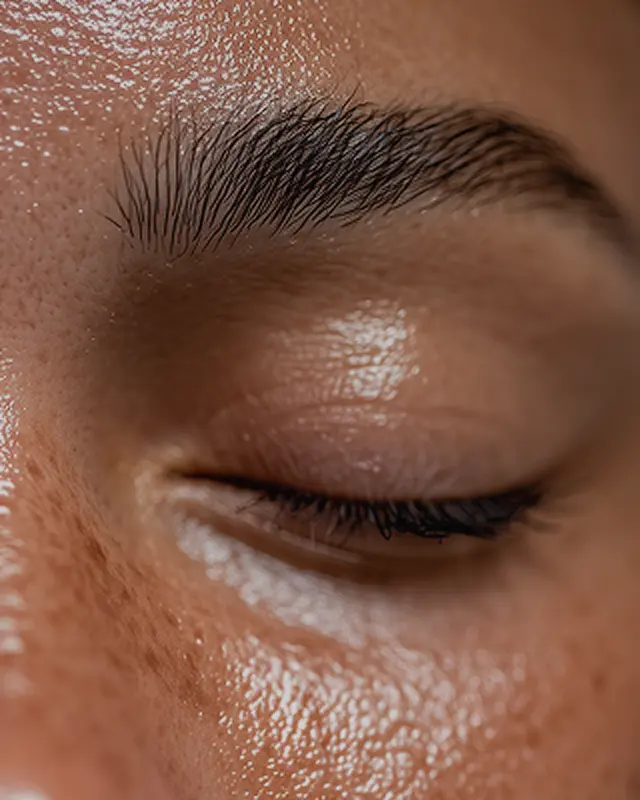
Aesthetic treatments similar to Superficial Peel that may interest you

other popular treatments

Anti-Wrinkle Injections

Anti-Wrinkle Injections

£30-£566
Book Now
Laser Hair Removal

Laser Hair Removal

£25-£725
Book Now
Lip Filler

Lip Filler

£120-£600
Book Now
Dermal Fillers

Dermal Fillers

£41-£550
Book Now
Profhilo

Profhilo

£250-£760
Book Now
HydraFacial

HydraFacial

£70-£325
Book Now
Microneedling

Microneedling

£150-£1,488
Book Now
Polynucleotides

Polynucleotides

£225-£650
Book Now

FAQs

A superficial chemical peel is a light exfoliating treatment that removes only the outermost layer of skin (the epidermis) using mild acid solutions to improve skin texture, tone and overall appearance with minimal downtime. These peels are the gentlest category of chemical peels, making them suitable for most skin types and ideal for those new to chemical exfoliation. Superficial peels work by applying acid solutions that penetrate the epidermis only; dissolving the bonds between dead skin cells; promoting accelerated cell turnover; stimulating mild collagen production; and revealing fresher, brighter skin underneath. Common acids used in superficial peels include alpha hydroxy acids (AHAs) such as glycolic acid, lactic acid and mandelic acid; beta hydroxy acids (BHAs) such as salicylic acid; fruit enzyme peels using papaya or pineapple enzymes; and combination formulations using multiple acids at lower concentrations. Superficial peels can effectively treat dull, lacklustre skin; mild uneven skin tone; fine lines and early ageing signs; rough or textured skin; mild acne and congestion; enlarged pores; and overall skin maintenance. The treatment typically takes 15 to 30 minutes; causes mild tingling or warmth during application; requires minimal to no downtime; may cause light flaking over several days; and is often performed in a series for cumulative results. Superficial peels are distinguished from medium and deep peels by their limited penetration depth, gentler action, faster recovery and more subtle results, making them excellent for regular maintenance and those seeking improvement without significant downtime.

In Oxford, the price of a Superficial Peel typically ranges from around £400 to £400, though individual clinics may charge more or less. If you’re searching for how much Superficial Peel in Oxford costs or the price of Superficial Peel locally, expect variation based on treatment area, peel strength and the number of sessions recommended. Practitioner experience, the product used and clinic reputation in Oxford will also influence the cost of Superficial Peel overall. You can find the exact, up-to-date price for this treatment in the catalogue

Superficial facial peels typically take 3 to 7 days to fully heal, with most people experiencing only minimal visible effects that do not significantly disrupt daily activities. The gentle nature of superficial peels means recovery is quick compared to deeper chemical peels. The healing timeline shows that on day 1 immediately after treatment, skin may appear slightly pink or flushed; mild tightness or sensitivity is common; and you can typically resume normal activities immediately. During days 1 to 2, any redness typically subsides; skin may feel tight or dry; and normal skincare can usually resume with gentle products. During days 2 to 4, light flaking or peeling may begin; this is typically fine and subtle rather than dramatic; and skin may feel slightly rough during this phase. During days 4 to 7, any visible peeling completes; new, smoother skin is revealed; and skin returns to normal appearance. By day 7 and beyond, healing is typically complete; skin appears brighter and smoother; and full results become apparent. Factors affecting healing time include the specific acids used and their concentration; your individual skin type and sensitivity; whether you have had previous peels building tolerance; how well you follow aftercare instructions; and environmental factors like sun exposure. To support optimal healing, keep skin hydrated with gentle moisturisers; avoid picking at any flaking skin; use sun protection diligently with SPF 50+; avoid active ingredients for 48 to 72 hours; and skip makeup for 24 hours if possible. The minimal healing time is one of the main advantages of superficial peels, allowing them to be incorporated into regular skincare routines without significant disruption.

Superficial peels can typically be performed every 2 to 4 weeks, making them suitable for regular maintenance as part of an ongoing skincare routine. The frequency depends on your skin type, the specific peel used and your treatment goals. General frequency guidelines show that for most people, every 3 to 4 weeks is appropriate for ongoing maintenance; those with resilient skin may tolerate every 2 weeks; sensitive skin may require 4 to 6 weeks between treatments; and your practitioner will recommend based on your skin's response. Frequency by skin concern shows that for general maintenance and glow, monthly treatments work well; for acne and congestion, every 2 to 3 weeks may be beneficial initially; for pigmentation, every 3 to 4 weeks allows adequate healing; and for anti-ageing, monthly sessions provide cumulative collagen stimulation. Factors determining appropriate frequency include your skin type and sensitivity; the strength of peel being used; how your skin responds and heals; other treatments or products in your routine; and signs of over-exfoliation. Signs you are having peels too frequently include persistent redness or irritation; increased sensitivity to products; skin feeling thin or fragile; breakouts or congestion worsening; and barrier damage symptoms like stinging with products. Building a treatment schedule typically involves starting with peels every 4 weeks; assessing skin response after 2 to 3 treatments; adjusting frequency based on tolerance and goals; and potentially increasing to every 2 to 3 weeks if skin tolerates well. Superficial peels are designed for regular use, and their cumulative benefits mean consistent treatment over time provides better results than occasional intensive sessions.

Maintaining your face after a superficial chemical peel involves following proper aftercare to support healing and then establishing an ongoing skincare routine that preserves and enhances your results. Good maintenance maximises the benefits of your peel and prepares skin for future treatments. Immediate aftercare for the first 24 to 48 hours includes keeping skin hydrated with gentle, fragrance-free moisturisers; avoiding active ingredients such as retinoids, vitamin C and other acids; using only lukewarm water for cleansing; skipping makeup for 12 to 24 hours if possible; avoiding sun exposure and applying SPF 50+ if going outside; and not touching, picking or rubbing the face. During the first week of care, continue gentle cleansing and hydration; gradually reintroduce active products after 48 to 72 hours; maintain strict sun protection; avoid exfoliating products until skin has fully healed; skip hot showers, saunas and steam rooms for 48 hours; and avoid strenuous exercise causing heavy sweating for 24 to 48 hours. Ongoing maintenance between peels involves using a gentle cleanser suited to your skin type; applying hydrating serums with hyaluronic acid; using moisturiser appropriate for your skin; applying SPF 50+ sunscreen daily without exception; gradually reintroducing active ingredients like retinoids and vitamin C; and avoiding over-exfoliating with multiple acid products. Lifestyle factors supporting results include staying hydrated by drinking adequate water; eating a balanced diet rich in antioxidants; getting adequate sleep for skin repair; managing stress affecting skin health; and avoiding smoking which accelerates skin ageing. Products to have on hand include gentle cleanser; hydrating serum; rich moisturiser for the healing phase; SPF 50+ sunscreen; and soothing products like aloe vera or centella if needed.

Superficial chemical peels are not bad when performed correctly and on appropriate candidates. They are considered one of the safest cosmetic treatments available, with an excellent safety profile and minimal risk of complications when proper protocols are followed. Why superficial peels are generally safe includes their limited penetration affecting only the epidermis; use of mild acid concentrations; extensive history of safe use in aesthetic practice; suitability for most skin types when appropriately selected; minimal risk of serious complications; and quick recovery with little downtime. When superficial peels could be problematic includes if performed on unsuitable candidates; when used too frequently causing over-exfoliation; if aftercare instructions are not followed; when combined inappropriately with other treatments; on compromised or irritated skin; and without proper sun protection post-treatment. Potential issues with improper use include temporary irritation and redness beyond normal; post-inflammatory hyperpigmentation especially in darker skin; barrier damage from over-exfoliation; increased sensitivity; and delayed healing if aftercare is poor. Who should avoid or use caution with superficial peels includes those with active skin infections or open wounds; people with extremely sensitive or reactive skin; those with active eczema, psoriasis or dermatitis in treatment areas; individuals currently using isotretinoin; and anyone with unrealistic expectations. To ensure superficial peels are beneficial rather than problematic, have treatment performed by qualified practitioners; disclose full skin history and current products; follow pre and post-treatment instructions carefully; maintain appropriate treatment intervals; and use sun protection diligently. For the vast majority of people, superficial peels are a safe, effective treatment that provides real improvement in skin quality with minimal risk when performed appropriately.

The recommended time between superficial peel treatments is typically 2 to 4 weeks, with most practitioners suggesting 3 to 4 weeks as the standard interval for optimal results while allowing adequate skin recovery. This timing allows the skin to complete its healing and renewal cycle before the next treatment. Why 2 to 4 weeks is recommended relates to the skin's natural cell turnover cycle being approximately 28 days; this interval allows complete healing between treatments; it provides cumulative benefits without over-stressing the skin; and it balances effectiveness with safety. Specific recommendations by peel type show that very light peels using enzymes or low-concentration acids may be performed every 2 weeks; standard superficial peels using glycolic, lactic or salicylic acid are typically every 3 to 4 weeks; stronger superficial peels approaching medium depth require 4 to 6 weeks; and combination peels using multiple acids may need longer intervals. Adjustments based on individual factors show that sensitive skin may require 4 to 6 weeks between treatments; resilient skin may tolerate every 2 to 3 weeks; first-time peel recipients should start with longer intervals; those using retinoids at home may need slightly longer intervals; and your practitioner adjusts based on observed skin response. Signs the interval is appropriate include skin fully recovered before next treatment; no persistent redness or irritation; good response to each treatment; and cumulative improvement visible over time. Signs the interval is too short include lingering sensitivity between treatments; skin appearing stressed or irritated; barrier damage symptoms; and diminishing returns from treatments. Your practitioner will recommend the optimal interval based on your specific peel protocol, skin type and how your skin responds to treatment.

Results from a superficial peel begin appearing within 3 to 7 days after treatment as healing completes, with optimal results developing over the following weeks and cumulative improvement building through a treatment series. The timeline helps set appropriate expectations for when improvement becomes visible. Immediate effects on days 1 to 3 include skin may appear slightly pink initially; some brightening may be noticeable; and skin feels smoother to touch as surface cells are shed. Early results during days 3 to 7 show any visible flaking completing; brighter, more radiant complexion emerging; smoother skin texture becoming apparent; and initial improvement clearly visible. Developed results during weeks 1 to 2 see full results from the single treatment becoming apparent; skin appears refreshed and rejuvenated; tone appears more even; and fine lines may appear softened. Cumulative results over multiple treatments show each subsequent peel building upon previous improvements; progressive enhancement in texture, tone and clarity; more significant improvement visible after 3 to 4 treatments; and optimal results after completing a full treatment series of 4 to 6 peels. What results to expect from superficial peels includes improved skin brightness and radiance; smoother, more refined texture; more even skin tone; reduced appearance of fine lines; clearer, less congested pores; and healthier, more vibrant complexion. Factors affecting when and how much improvement you see include your baseline skin condition; the specific peel used; how many treatments you have; your age and skin's regenerative capacity; and supporting skincare routine. Realistic expectations are important because superficial peels provide gradual, subtle improvement; dramatic transformation requires multiple treatments; they address surface concerns rather than deep structural issues; and maintaining results requires ongoing treatment and good skincare.

Before superficial peel treatment, people typically have dull, tired-looking skin lacking brightness and radiance; uneven skin tone with mild discolouration or sun spots; rough or bumpy skin texture; fine lines and early signs of ageing; mildly congested pores and occasional breakouts; dry or dehydrated skin appearance; and overall lacklustre complexion affecting confidence. These surface-level concerns accumulate over time and often make skin appear older or less healthy than desired. After superficial peel treatment, following completion of a recommended series (typically 4 to 6 treatments spaced 3 to 4 weeks apart) and allowing results to fully develop, most people experience noticeable improvements. Common results include brighter, more luminous complexion with healthy glow; smoother, more refined skin texture; more even skin tone with reduced mild discolouration; softened fine lines; clearer, less congested pores; improved skin hydration and plumpness; and overall fresher, more youthful appearance. The results timeline shows that after the first treatment, initial brightening and smoothing are visible within a week; after 2 to 3 treatments, noticeable cumulative improvement becomes apparent; after 4 to 6 treatments, optimal results with significant improvement in overall skin quality are achieved; and with ongoing maintenance, continued benefits and prevention of future concerns occur. The degree of improvement depends on your baseline skin condition and specific concerns; the type and strength of superficial peel used; the number of treatments completed; individual skin response; adherence to aftercare and sun protection; and supporting skincare routine between treatments. Before and after expectations should be realistic: superficial peels provide gradual, natural-looking improvement; they address surface concerns rather than deep wrinkles or significant scarring; multiple treatments are needed for meaningful results; and results are maintained with ongoing treatment and proper skincare. Most satisfied superficial peel patients are those who appreciate subtle, cumulative improvement; value minimal downtime and gentle approach; commit to a series of treatments for optimal results; maintain good skincare between sessions; and understand that consistency over time provides the best outcomes.