sun damage treatment
Newcastle upon tyne

Sun damage treatment in Newcastle upon tyne

Book from 1+ сlinics near you
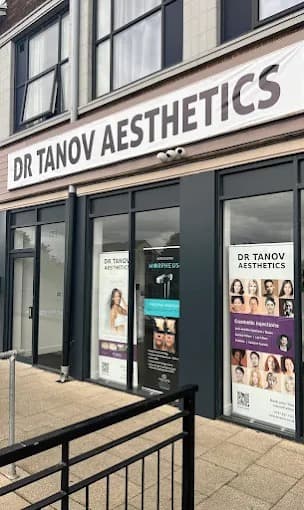
Dr Tanov Aesthetics
star
4.9
(194 reviews)
£££
NE15 6PQ, 171 West Road, Newcastle upon TyneNE15 6PQ, 171 West Road, Newcastle upon Tyne
Get directionsGet directions Dr Tanov Aesthetics
Had a great experience with Dr Tanov.
Had 3 sessions of the Co2 laser for upper and lower blepharoplasty.
Seen a great improvement in the eyes, much tighter skin and brighter more open appearance.

Would recommend 😁

Had a great experience with Dr Tanov. Had 3 sessions of the Co2 laser for upper and lower blepharoplasty. Seen a great improvement in the eyes, much tighter skin and brighter more open appearance. Would recommend 😁

New to Pigmentation?

New to Pigmentation?

Learn what this treatment is and how it works.

Learn more
About Sun damage treatment

About Sun damage treatment

If you're looking for Sun damage treatment in Newcastle upon tyne, MARBL makes it easy to compare medical-led clinics in one place. You can compare local clinics for Sun damage treatment in Newcastle upon tyne without endless searching. Prices typically range from around £180 to £180, depending on the clinic, treatment area and number of sessions. All clinics on MARBL are medical-led and carefully vetted – we list only around 10% of clinics in the UK that meet our safety and quality standards. Browse verified reviews and book your appointment online in just a few clicks.

Sun Damage Treatment provides specialized aesthetic treatment using advanced techniques to address specific concerns and enhance natural beauty. This professional procedure combines medical expertise with modern technology for safe, effective results tailored to individual needs. The treatment offers both therapeutic and aesthetic benefits through evidence-based approaches and personalized care.

On MARBL, every clinic offering sun damage treatment is vetted for treatment expertise, comprehensive safety protocols, and quality care standards. Treatments are performed by trained specialists with expertise in advanced aesthetic procedures. Each clinic listing includes transparent pricing, detailed procedure information, and guidance on achieving optimal results through professional care.

Treatment sessions typically take 30-60 minutes depending on procedure scope, with results timeline varying based on individual response and treatment protocol. You can compare certified specialists near you, check real-time availability, view verified reviews, and book sun damage treatment sessions directly through MARBL — achieving your aesthetic goals has never been more convenient.
other popular treatments

Anti-Wrinkle Injections

Anti-Wrinkle Injections

£30-£566
Book Now
Laser Hair Removal

Laser Hair Removal

£25-£725
Book Now
Lip Filler

Lip Filler

£120-£600
Book Now
Dermal Fillers

Dermal Fillers

£41-£550
Book Now
Profhilo

Profhilo

£250-£760
Book Now
Chemical Peels

Chemical Peels

£50-£1,520
Book Now
HydraFacial

HydraFacial

£70-£325
Book Now
Microneedling

Microneedling

£150-£1,488
Book Now

FAQs

The best laser treatment for sun damaged skin depends on the specific type and severity of damage, but IPL (Intense Pulsed Light) and fractional lasers are generally considered the most effective options for comprehensive sun damage correction. Different lasers target different aspects of sun damage, and combination approaches often provide optimal results. IPL (Intense Pulsed Light) is excellent for pigmentation, sun spots and overall photodamage; it targets melanin to break down brown spots; improves skin tone and reduces redness; requires 3 to 6 sessions for optimal results; and is often considered the gold standard for diffuse sun damage. Fractional non-ablative lasers like Fraxel Dual or Clear + Brilliant treat both pigmentation and texture; stimulate collagen for improved skin quality; provide moderate improvement with manageable downtime; and require 3 to 5 sessions typically. Fractional ablative lasers such as fractional CO2 or Erbium provide more dramatic results for severe sun damage; address deep texture issues and significant photoageing; require longer recovery of 5 to 14 days; and may need only 1 to 2 treatments. Q-switched or picosecond lasers are highly effective for discrete sun spots and age spots; provide precise targeting of pigmented lesions; and work well for stubborn spots not responding to IPL. The best choice depends on your primary concerns, whether pigmentation, texture, or both; the severity of sun damage; your skin type, as darker skin requires careful laser selection; available downtime; and budget for treatment course. Many practitioners recommend combination approaches using different technologies to address multiple aspects of sun damage comprehensively.

In Newcastle upon Tyne, the price of Sun Damage Treatment typically ranges from around £180 to £180, as clinics use different devices and protocols. Prices vary by treatment area, the technology used (laser, IPL or resurfacing), the number of sessions needed and the practitioner’s experience, so how much Sun Damage Treatment in Newcastle upon Tyne costs can differ between providers. Local clinic location and any required follow-up or aftercare also affect the cost of Sun Damage Treatment overall. You can find the exact, up-to-date price for this treatment in the catalogue

The best treatment for sun damaged skin depends on the type and severity of damage, with options ranging from topical treatments for mild damage to laser procedures for more significant photoageing. A comprehensive approach often combines multiple treatments for optimal results. For mild sun damage, medical-grade skincare forms the foundation, including prescription retinoids (tretinoin) to accelerate cell turnover and stimulate collagen; vitamin C serums providing antioxidant protection and brightening; alpha hydroxy acids for exfoliation and texture improvement; and daily SPF 50+ sunscreen to prevent further damage. For moderate sun damage, professional treatments provide more significant improvement, with IPL (Intense Pulsed Light) being excellent for pigmentation and overall photodamage; chemical peels removing damaged surface cells and stimulating renewal; microneedling stimulating collagen and improving texture; and fractional non-ablative lasers addressing both pigmentation and skin quality. For severe sun damage, more intensive treatments may be needed, including fractional ablative lasers providing dramatic improvement in texture and pigmentation; ablative laser resurfacing for comprehensive skin renewal; and combination approaches using multiple technologies. Additional considerations include treatment of precancerous lesions (actinic keratoses) if present, which requires medical attention; skin cancer screening as part of sun damage assessment; and ongoing prevention being essential regardless of treatment. The best approach typically combines professional treatments with excellent home skincare and rigorous sun protection. Consultation with an experienced practitioner allows assessment of your specific sun damage and creation of a personalised treatment plan addressing your concerns effectively.

The best laser treatment for sun damage varies based on whether your primary concern is pigmentation (brown spots), texture and wrinkles, redness and vessels, or overall photoageing. Different lasers excel at different aspects of sun damage. For brown spots and pigmentation, IPL (Intense Pulsed Light) is highly effective for diffuse pigmentation and multiple sun spots, treating large areas efficiently with 3 to 6 sessions typically needed; Q-switched lasers (Nd:YAG, Ruby, Alexandrite) provide precise targeting of discrete stubborn spots; and picosecond lasers offer advanced pigment removal with potentially faster results. For texture, fine lines and skin quality, fractional non-ablative lasers (Fraxel, Clear + Brilliant) stimulate collagen while addressing surface damage; fractional ablative lasers (CO2, Erbium) provide more dramatic results for severe textural damage; and non-ablative resurfacing improves overall skin quality with minimal downtime. For redness and vascular changes, IPL targets both pigmentation and vascular components; pulsed dye laser specifically addresses redness and broken capillaries; and vascular lasers (KTP, Nd:YAG) treat visible vessels effectively. For comprehensive sun damage, combination approaches are often most effective, using IPL for pigmentation plus fractional laser for texture; or multiple technologies addressing different damage components. Skin type considerations are important because lighter skin types (Fitzpatrick I-III) can safely use most laser options; darker skin types (Fitzpatrick IV-VI) require careful selection to avoid pigmentation complications, often favouring certain Nd:YAG lasers or specific IPL settings; and practitioner experience with your skin type is essential. Consultation with a laser specialist allows assessment of your specific sun damage pattern and recommendation of the most appropriate laser or combination approach.

Sofwave can provide noticeable improvements for certain aspects of sun-damaged skin, particularly skin laxity and fine lines, though it is not primarily designed as a pigmentation or sun spot treatment. Understanding what Sofwave does and does not address helps set realistic expectations. What Sofwave can improve in sun-damaged skin includes skin laxity and sagging resulting from collagen loss; fine lines and wrinkles from photoageing; overall skin firmness and tightness; and skin texture to some degree through collagen stimulation. How Sofwave works involves delivering focused ultrasound energy at a precise depth of 1.5mm in the mid-dermis; this creates thermal zones that stimulate new collagen production; the treatment tightens and lifts without affecting the surface; and results develop over 2 to 3 months as collagen remodels. What Sofwave does not effectively treat includes brown spots and hyperpigmentation, which require pigment-targeting treatments; significant textural damage and rough skin, which respond better to resurfacing treatments; discrete sun spots and age spots, which need IPL or Q-switched lasers; and severe photoageing, which may require more intensive intervention. For comprehensive sun damage treatment, Sofwave works best as part of combination approach; it can be paired with IPL for pigmentation; combined with resurfacing treatments for texture; and used alongside medical-grade skincare. Sofwave is a good choice for sun-damaged skin when laxity and firmness are primary concerns; pigmentation is minimal or being addressed separately; you want non-invasive treatment with no downtime; and you prefer a single treatment rather than multiple sessions. For sun damage primarily manifesting as brown spots, uneven pigmentation or rough texture, other treatments like IPL or fractional lasers will provide more noticeable improvement in those specific concerns.

Most people require 3 to 6 IPL treatments for optimal sun damage correction, with sessions spaced 3 to 4 weeks apart. The exact number depends on the severity of your sun damage, your skin type and your treatment goals. For mild sun damage with light freckling, minor uneven tone and early photodamage, typically 3 to 4 treatments are sufficient; improvement is visible after each session; and results are often excellent with this course. For moderate sun damage with multiple sun spots, noticeable uneven pigmentation and established photodamage, typically 4 to 5 treatments are needed; cumulative improvement builds through the course; and stubborn spots may require additional targeted treatment. For severe sun damage with extensive pigmentation, significant mottling and advanced photodamage, typically 5 to 6 treatments or more may be required; some spots may need additional sessions; and maintenance treatments may be recommended. Factors affecting treatment number include the density and depth of pigmentation; your skin type, as darker skin may require modified approach; the specific IPL device and settings used; individual response to treatment; and your expectations and goals. The treatment schedule typically involves initial treatments spaced 3 to 4 weeks apart; full course completed over 3 to 6 months; assessment of results 4 weeks after final treatment; and additional sessions if needed for stubborn areas. After completing the initial course, maintenance treatments every 6 to 12 months help sustain results and address new sun damage that develops. Protecting skin with daily SPF 50+ is essential both during and after treatment to maintain results and prevent new damage.

Laser treatment for sun damage is generally safe when performed by qualified, experienced practitioners using appropriate technology for your skin type. Like any medical procedure, there are potential risks, but these are minimised with proper patient selection, technique and aftercare. Safety profile of laser sun damage treatment shows that IPL and non-ablative lasers have excellent safety records; millions of treatments are performed worldwide annually; serious complications are rare with proper technique; and most side effects are temporary and minor. Common temporary effects include redness lasting hours to days depending on treatment type; mild swelling, particularly around the eyes; darkening of treated pigmented spots before they flake off; slight crusting over sun spots as they heal; and temporary sensitivity. Potential risks and complications, though uncommon, include post-inflammatory hyperpigmentation (temporary darkening), more common in darker skin; hypopigmentation (lightening), rare but possible; burns if settings are inappropriate; blistering with aggressive treatment; and scarring, very rare with proper technique. Safety depends on practitioner expertise and experience with laser treatments and your skin type; appropriate device selection for your specific concerns and skin; correct settings and technique; proper patient screening excluding unsuitable candidates; and thorough aftercare instructions and compliance. Skin type considerations show that lighter skin types (Fitzpatrick I-III) can safely undergo most laser treatments; darker skin types (Fitzpatrick IV-VI) require careful laser selection and settings to avoid pigmentation complications; and experienced practitioners who regularly treat diverse skin types provide safer outcomes. To maximise safety, choose practitioners with specific laser expertise; disclose full medical history and medications; follow pre-treatment instructions including sun avoidance; adhere carefully to aftercare protocols; and report any concerning symptoms promptly.

Before sun damage treatment, people typically have brown spots and age spots scattered across the face, hands or décolletage; uneven, mottled skin tone with patches of darker and lighter areas; rough, textured skin from years of sun exposure; fine lines and wrinkles accelerated by photoageing; dull, lacklustre complexion lacking radiance; visible broken capillaries and redness in some cases; and overall aged appearance beyond their years. These changes accumulate over decades of sun exposure and often become a significant cosmetic concern. After sun damage treatment, following completion of an appropriate treatment course (typically 3 to 6 IPL sessions or other laser treatments) and allowing full healing, most people experience dramatic improvement. Common results include significantly faded or eliminated sun spots and age spots; more even, uniform skin tone; smoother, refined skin texture; brighter, more radiant complexion; reduced redness and vascular changes; and overall more youthful, healthier-looking skin. The improvement timeline varies by treatment type. For IPL treatment, sun spots darken within 24 to 48 hours; darkened spots flake off over 7 to 14 days; progressive improvement builds through the treatment course; and optimal results are visible 4 weeks after final session. For fractional laser treatment, redness and swelling occur for days to weeks depending on intensity; texture improvement develops over weeks to months; collagen remodelling continues for 3 to 6 months; and optimal results appear at 3 to 6 months post-treatment. The degree of improvement depends on the type and severity of sun damage; the treatments performed and number of sessions; your skin type and individual response; adherence to aftercare and sun protection; and ongoing prevention of new damage. Before and after expectations should be realistic: sun damage treatment can dramatically improve but may not completely eliminate all damage; very deep or resistant pigmentation may require multiple approaches; new sun damage will develop without proper protection; and maintenance treatments help sustain results. Most satisfied patients are those who understand that treatment addresses existing damage while prevention (daily SPF 50+, sun avoidance) is essential to maintain results and prevent new damage from developing.

Sun damage treatment in Newcastle upon tyne | Top Clinics, Reviews & Prices | MARBL