

rosacea
Reading

Rosacea in Reading

Book from 3+ сlinics near you
Hilton Skin & Body Clinics
star
4.9
(144 reviews)
£££
RG4 7AA, 7 A4074, ReadingRG4 7AA, 7 A4074, Reading
Get directionsGet directions to Hilton Skin & Body Clinics
I had lost interest in cosmetic treatments due to a bad experience at other clinics, but I found Hilton Clinic and Dr. Lucy, with her talent and professionalism, made me fully regain my confidence from the beginning of all the treatments. She made me feel super comfortable and I noticed the results from the first day. I have very strong facial muscles and because of this I got a wrinkle in Grabella that always made me look angry and older. From the first moment of treatment, the wrinkle began to disappear and now it is completely gone. I am receiving a lot of compliments, all about my skin being radiant and looking much younger after starting treatment at the clinic. From now on, it is the only clinic I trust with my skin. Highly recommended without a doubt.

I had lost interest in cosmetic treatments due to a bad experience at other clinics, but I found Hilton Clinic and Dr. Lucy, with her talent and professionalism, made me fully regain my confidence from the beginning of all the treatments. She made me feel super comfortable and I noticed the results from the first day. I have very strong facial muscles and because of this I got a wrinkle in Grabella that always made me look angry and older. From the first moment of treatment, the wrinkle began to disappear and now it is completely gone. I am receiving a lot of compliments, all about my skin being radiant and looking much younger after starting treatment at the clinic. From now on, it is the only clinic I trust with my skin. Highly recommended without a doubt.

Rozatrol (Rosacea)

£190
Get recommendation

Too Many Options?

Get free advice from our team — we'll help you find the perfect match.

Free consultation
Too Many Options?
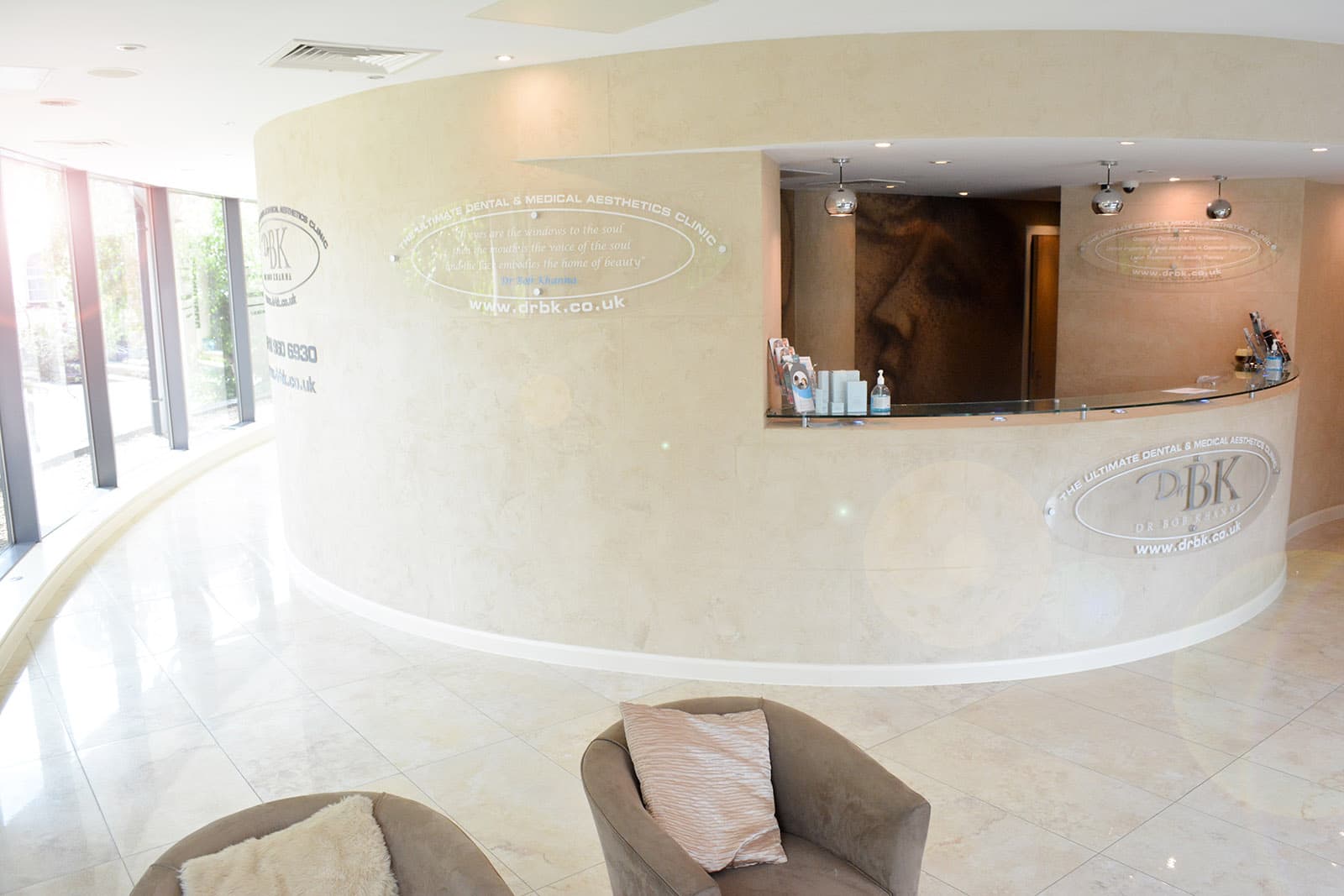
DrBK Clinic Reading
star
4.7
(98 reviews)
£££
RG1 4DA, 115 Queens Road, ReadingRG1 4DA, 115 Queens Road, Reading
Get directionsGet directions to DrBK Clinic Reading
I’ve been having treatment with Dr Bob for several months, the staff are super friendly and Dr Bob always explains what he is doing and makes you feel really at ease. I am very happy and would highly recommend this friendly, highly skilled and state of the art dental practice.

I’ve been having treatment with Dr Bob for several months, the staff are super friendly and Dr Bob always explains what he is doing and makes you feel really at ease. I am very happy and would highly recommend this friendly, highly skilled and state of the art Read more

Rosacea/Facial Thread Veins Treatment (IPL DYE SR)

£190-£950
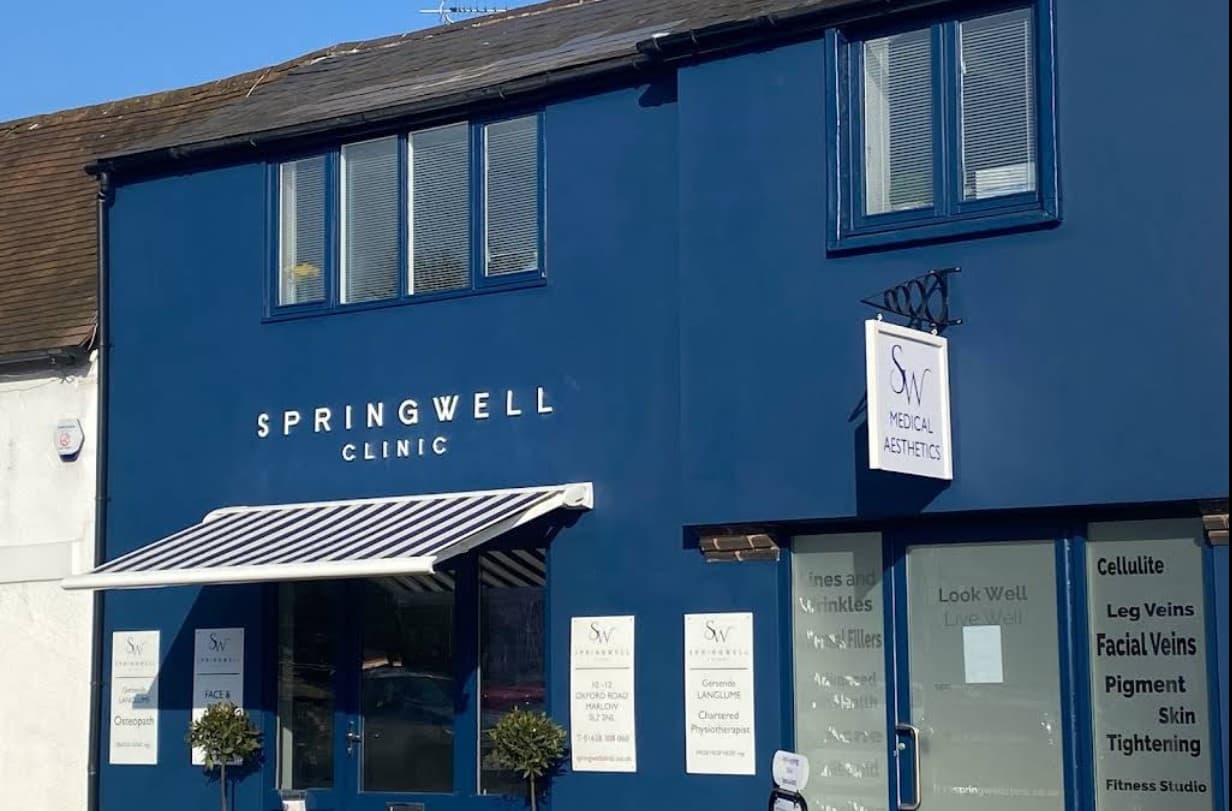
Springwell Clinic
star
5.0
(35 reviews)
£££
SL7 2NL, 10-12 Oxford Road, MarlowSL7 2NL, 10-12 Oxford Road, Marlow
Get directionsGet directions to Springwell Clinic
If your looking to get wonderful results from any chosen treatment , with no nasty side effects. I’d highly recommend Springwell Clinic. As a complete novice to the world of ascetics, I was immediately put at ease by Steph . Who patiently spent time explaining the procedures, before carrying them out. I was absolutely thrilled with the results…  I will definitely travel from Exeter to visit the clinic and Steph again. As , I believe Steph and her team
are quite simply the best!

If your looking to get wonderful results from any chosen treatment , with no nasty side effects. I’d highly recommend Springwell Clinic. As a complete novice to the world of ascetics, I was immediately put at ease by Steph . Who patiently spent time explaining the procedures, before Read more

HydraFacial Deluxe for Rosacea

£140
New to Rosacea?

New to Rosacea?

Learn what this treatment is and how it works.

Explore Guides

reviews

Amanda-0-starAmanda-1-starAmanda-2-starAmanda-3-starAmanda-4-star

Dr. Wafaa is incredibly attentive, committed, and knowledgeable. After struggling to manage my rosacea with my GP, I decided to explore other treatments - and I’m so glad I did. Over the past six months, Dr. Wafaa has provided me with a personalized treatment plan tailored to my specific needs. Thanks to her expertise, my skin has improved significantly, and I couldn’t be happier with the results. She takes the time to explain each procedure thoroughly, making sure I feel comfortable and confident every step of the way. I highly recommend Dr. Wafaa Clinic - I only wish I had found her sooner!

Amanda

Amanda

March 23
Suzanne Swain-0-starSuzanne Swain-1-starSuzanne Swain-2-starSuzanne Swain-3-starSuzanne Swain-4-star

I was recommended to see Professor Khanna to support me with my skin journey, I had been diagnosed with rosacea and wasn’t really getting the support from the consultants just creams to apply. Professor Khanna was amazing, he helped me to understand how my gut affected my skin and also recommended some treatments to help which really improved my skin. I’ve continued to see Professor Khanna for over 3 years now and I wouldn’t trust my skin with anyone else, he is best in class and has given me my confidence back to even go without make up.

Suzanne Swain

Suzanne Swain

July 9
About Rosacea

About Rosacea

If you're looking for Rosacea in Reading, MARBL makes it easy to compare medical-led clinics in one place. You can compare local clinics for Rosacea in Reading without endless searching. Prices typically range from around £140 to £190, depending on the clinic, treatment area and number of sessions. All clinics on MARBL are medical-led and carefully vetted – we list only around 10% of clinics in the UK that meet our safety and quality standards. Browse verified reviews and book your appointment online in just a few clicks.

Rosacea treatments use various approaches including laser therapy, IPL, topical medications, or injectable treatments to reduce chronic facial redness, visible blood vessels, and inflammatory symptoms. These therapeutic procedures address the underlying causes of rosacea including vascular reactivity and inflammation through targeted interventions. The treatments offer both immediate symptom relief and long-term management through reduced redness, fewer flare-ups, and improved skin comfort.

Clinics on MARBL offering rosacea are carefully vetted for treatment expertise, safety protocols, and comprehensive condition management. Treatments are performed by trained specialists with expertise in skin conditions, treatment techniques, and comprehensive care protocols. On each clinic page, you'll find detailed information about practitioner qualifications, treatment approaches, and guidance on achieving optimal results through professional care and comprehensive treatment support.

Sessions typically take 30-45 minutes per treatment, with initial redness reduction visible within 1-2 weeks and significant improvement achieved through treatment series tailored to condition severity. MARBL gives you everything you need to book confidently: transparent pricing, real-time availability, verified reviews, and certified rosacea specialists near you.
Aesthetic treatments similar to Rosacea that may interest you

other popular treatments

Anti-Wrinkle Injections

Anti-Wrinkle Injections

£30-£566
Book Now
Laser Hair Removal

Laser Hair Removal

£25-£725
Book Now
Lip Filler

Lip Filler

£120-£600
Book Now
Dermal Fillers

Dermal Fillers

£41-£550
Book Now
Profhilo

Profhilo

£250-£760
Book Now
Chemical Peels

Chemical Peels

£50-£1,520
Book Now
HydraFacial

HydraFacial

£70-£325
Book Now
Microneedling

Microneedling

£150-£1,488
Book Now

FAQs

Rosacea cannot be permanently cured or eliminated as it is a chronic inflammatory skin condition, but it can be effectively managed and controlled to the point where symptoms are minimal or absent with appropriate treatment and lifestyle modifications. Understanding that rosacea is manageable rather than curable helps set realistic expectations. Why rosacea cannot be permanently cured relates to it being a chronic condition with genetic and vascular components; the underlying predisposition remains even when symptoms are controlled; triggers can reactivate symptoms at any time; and there is no treatment that eliminates the condition entirely. However, long-term remission is achievable through proper medical treatment with prescription medications controlling inflammation; laser and light therapies reducing visible blood vessels and redness; appropriate skincare avoiding triggers and supporting skin barrier; lifestyle modifications identifying and avoiding personal triggers; and ongoing maintenance preventing flare-ups. Effective management strategies include prescription treatments such as topical metronidazole, azelaic acid or ivermectin for inflammation, oral antibiotics like doxycycline for moderate to severe rosacea, and oral isotretinoin for severe, resistant cases; laser and IPL treatments targeting redness, visible vessels and overall skin quality; gentle skincare with fragrance-free, non-irritating products and daily SPF 50+ sun protection; trigger avoidance including spicy foods, alcohol, hot beverages, extreme temperatures, stress and other personal triggers; and regular dermatologist care for ongoing management and treatment adjustments. Long-term outlook with proper management shows many people achieve clear or nearly clear skin; symptoms can be kept minimal with consistent treatment; quality of life improves significantly; and ongoing vigilance and maintenance keep rosacea controlled. While you cannot permanently eliminate rosacea, you can control it so effectively that it has minimal impact on your life and appearance.

Rosacea is a chronic inflammatory skin condition that primarily affects the face, causing persistent redness, visible blood vessels, inflammatory papules and pustules, and in some cases, skin thickening. It is a common condition affecting an estimated 10% of the population, though it often goes undiagnosed or is mistaken for acne or sensitive skin. The main types of rosacea include erythematotelangiectatic rosacea (ETR), which presents with persistent facial redness, flushing and visible blood vessels; papulopustular rosacea, which shows redness with acne-like breakouts (papules and pustules) but without blackheads; phymatous rosacea, which causes skin thickening and irregular surface texture, most commonly on the nose (rhinophyma); and ocular rosacea, which affects the eyes causing redness, irritation, styes and sensitivity. Common symptoms and signs include persistent facial redness, particularly on cheeks, nose, forehead and chin; visible broken blood vessels (telangiectasia); inflammatory bumps and pimples that may contain pus; burning or stinging sensations; skin sensitivity and reactivity; dry, rough or scaly patches; and eye symptoms including dryness, irritation and redness in ocular rosacea. Who gets rosacea shows it typically begins after age 30, though it can occur at any age; fair-skinned people of Northern European descent are at highest risk; women are more commonly affected, though men often have more severe symptoms; family history increases risk; and certain genetic factors predispose to the condition. Rosacea differs from acne because there are no blackheads or whiteheads; it causes persistent background redness; it typically affects adults rather than teenagers; triggers are different, often including heat, alcohol and spicy food; and treatment approaches differ from acne management. Without treatment, rosacea often worsens over time, making early diagnosis and intervention important.

The exact cause of rosacea is not fully understood, but it is believed to result from a combination of genetic predisposition, immune system abnormalities, environmental factors and dysfunction of the blood vessels in the facial skin. Multiple factors contribute to the development and exacerbation of this complex condition. Genetic and hereditary factors show that rosacea runs strongly in families; certain genetic variations increase susceptibility; specific HLA genes are associated with rosacea; and ethnic background plays a role, with Northern European ancestry carrying higher risk. Vascular abnormalities include facial blood vessels that dilate too easily; increased blood flow to the face; visible vessels (telangiectasia) developing; chronic inflammation affecting vessel walls; and impaired vessel regulation. Immune system dysfunction involves abnormal inflammatory responses in facial skin; increased reactivity to normal skin bacteria and mites; elevated levels of inflammatory mediators; and cathelicidins (antimicrobial peptides) being overproduced. Demodex mites, which are microscopic organisms living in hair follicles, are found in higher numbers in rosacea patients; may trigger inflammatory responses; and their role is still being researched. Environmental and lifestyle triggers include sun exposure being the most common trigger; hot or cold weather extremes; wind and harsh conditions; hot beverages and spicy foods; alcohol consumption; stress and emotional factors; strenuous exercise; and certain skincare products. Other contributing factors include abnormal innate immune responses; neurovascular dysfunction; and possible role of H. pylori bacteria, though this is debated. While the precise cause remains unclear, understanding that rosacea results from multiple interacting factors helps explain why management requires a comprehensive approach addressing triggers, inflammation and vascular components rather than a single cure.

Treating rosacea effectively requires a comprehensive approach combining medical treatments, appropriate skincare, trigger avoidance and sometimes laser or light therapies. The specific treatment plan depends on your rosacea type, severity and individual triggers. Medical treatments form the foundation, with topical medications including metronidazole gel or cream reducing inflammation, azelaic acid gel treating both inflammation and redness, ivermectin cream targeting inflammation and Demodex mites, and brimonidine gel providing temporary vasoconstriction to reduce redness; oral medications including low-dose doxycycline (anti-inflammatory) for papulopustular rosacea, other antibiotics like minocycline or azithromycin, and oral isotretinoin for severe, resistant cases. Laser and light therapies are highly effective, with IPL (Intense Pulsed Light) reducing redness and visible vessels through 3 to 6 sessions; vascular lasers including PDL and Nd:YAG targeting specific blood vessels; and these treatments providing long-lasting improvement in vascular components. Skincare management is essential, using gentle, fragrance-free cleansers; avoiding harsh scrubs and irritating ingredients; applying moisturisers supporting the skin barrier; using daily SPF 50+ mineral sunscreen; and choosing products specifically suitable for sensitive, rosacea-prone skin. Lifestyle modifications and trigger management involve identifying and avoiding personal triggers; keeping a diary to track flare-ups; protecting face from extreme temperatures; managing stress through relaxation techniques; and modifying diet to avoid trigger foods. A comprehensive treatment approach typically combines daily gentle skincare; prescription topical treatment; sun protection; trigger avoidance; laser/IPL for vascular symptoms; and regular dermatologist monitoring. Most people achieve significant improvement with appropriate treatment, though consistency and patience are required as rosacea management is ongoing.

You cannot completely get rid of rosacea as it is a chronic condition, but you can effectively control symptoms and achieve clear or nearly clear skin through appropriate treatment and management. Understanding that rosacea requires ongoing management rather than a one-time cure helps approach the condition realistically. Effective control strategies include medical treatment with prescription medications including topical treatments like metronidazole or azelaic acid for daily use, oral antibiotics for moderate to severe symptoms, and specialist medications for resistant cases; laser and light therapies using IPL or vascular lasers to reduce persistent redness and visible blood vessels, typically requiring 3 to 6 initial sessions with maintenance, and providing long-lasting improvement in vascular symptoms. Skincare fundamentals involve gentle cleansing with non-irritating, fragrance-free products; regular moisturising to support the skin barrier; daily SPF 50+ sun protection being absolutely essential; and avoiding harsh ingredients, scrubs and irritating products. Trigger identification and avoidance requires keeping a diary to identify personal triggers; common triggers including sun exposure, hot beverages, spicy foods, alcohol, stress and temperature extremes; individual triggers varying significantly between people; and strict avoidance of identified triggers being crucial. Lifestyle modifications support management through stress management techniques; protecting face from environmental extremes; avoiding triggers consistently; and maintaining overall health supporting skin. Realistic expectations for getting rid of rosacea symptoms show that clear or nearly clear skin is achievable for most people with proper treatment; symptoms can be kept minimal with consistent management; flare-ups may still occur but are controlled more quickly; and ongoing maintenance is necessary to sustain results. While you cannot permanently eliminate rosacea, you can control it so effectively that it does not significantly impact your appearance or quality of life.

Rosacea cannot be removed or eliminated as it is a chronic genetic and inflammatory condition, but its visible symptoms including redness, blood vessels and inflammation can be dramatically reduced through appropriate medical and cosmetic treatments. Understanding this distinction helps set realistic expectations for management. Reducing visible rosacea symptoms involves medical treatments reducing inflammation with prescription topical and oral medications controlling papules, pustules and background inflammation; reducing redness through medications like brimonidine providing temporary vasoconstriction; and managing flare-ups with appropriate medical intervention. Laser and light treatments remove or reduce visible components through IPL reducing diffuse redness and small vessels over 3 to 6 sessions; vascular lasers targeting and eliminating individual visible blood vessels; these treatments providing lasting improvement in the vascular component; and many people achieving dramatic clearing of visible vessels. Skincare supporting symptom reduction uses gentle, appropriate products supporting the skin barrier; sun protection preventing UV-triggered inflammation and vessel formation; avoiding irritants that worsen symptoms; and consistent routine maintaining improvements. What can be removed or eliminated shows that visible blood vessels can be permanently reduced with laser treatment; active inflammation and breakouts can be controlled with medication; background redness can be significantly improved with comprehensive treatment; and many visible symptoms can be minimised to the point of being barely noticeable. What cannot be removed includes the underlying genetic predisposition to rosacea; the tendency for symptoms to recur without maintenance; complete permanent elimination of all redness; and the chronic nature of the condition. The most effective approach to removing visible rosacea symptoms combines prescription medications controlling inflammation; laser/IPL treatments targeting vascular components; appropriate skincare and sun protection; trigger avoidance; and ongoing maintenance. Most people can achieve dramatic improvement to the point where rosacea is barely visible, though the underlying condition remains and requires ongoing management.

No, rosacea is not curable. It is a chronic, lifelong skin condition that requires ongoing management rather than a one-time cure. However, this does not mean you cannot achieve excellent control of symptoms and maintain clear, healthy-looking skin with appropriate treatment. Why rosacea is not curable relates to it being rooted in genetic predisposition that cannot be changed; vascular and immune system abnormalities being permanent features; the underlying mechanisms persisting even when symptoms are controlled; and no treatment eliminating the condition permanently. What this means in practice shows symptoms can be effectively controlled to the point of being minimal or absent; many people achieve clear or nearly clear skin with treatment; the condition can enter long remissions with proper management; but discontinuing treatment often results in symptom recurrence. Current research and future possibilities include ongoing studies into genetic factors and mechanisms; development of new targeted treatments; better understanding of trigger pathways; and potential future therapies, though a true cure is not on the immediate horizon. Living with incurable rosacea becomes manageable because effective treatments provide excellent symptom control; many people maintain clear skin indefinitely with maintenance; quality of life improves dramatically with proper management; and consistency with treatment becomes routine. The psychological impact of incurable should not be underestimated, as accepting the chronic nature helps with long-term management; focusing on control rather than cure reduces frustration; celebrating clear skin as success rather than expecting permanent elimination; and understanding that management becomes easier over time. While rosacea is not curable, the vast majority of people can achieve such effective control that the condition has minimal impact on their appearance and life. The key is viewing rosacea as a manageable chronic condition similar to conditions like asthma or allergies, rather than seeking an impossible permanent cure.

The best laser treatment for rosacea depends on your specific symptoms, but IPL (Intense Pulsed Light) and vascular lasers including Pulsed Dye Laser (PDL) and Nd:YAG are generally considered the most effective options for reducing redness, visible blood vessels and overall skin quality in rosacea. IPL (Intense Pulsed Light) is excellent for diffuse redness and overall skin improvement; it treats larger areas efficiently; it effectively reduces both redness and small visible vessels; typically 3 to 6 sessions are needed spaced 3 to 4 weeks apart; and it is often the first-line laser treatment for rosacea. Pulsed Dye Laser (PDL) is considered the gold standard for vascular lesions and rosacea; it specifically targets blood vessels and redness; it provides excellent results for visible vessels; typically 2 to 4 sessions are needed; it may cause temporary purpura (bruising); and it is highly effective for moderate to severe vascular rosacea. Nd:YAG laser is effective for deeper vessels and resistant cases; it is suitable for all skin types including darker tones; it treats larger, deeper vessels that may not respond to other lasers; and it works well for rhinophyma (thickened nose tissue). Choosing the best laser for you depends on your rosacea subtype and primary symptoms; skin type and tone; the extent of redness and visible vessels; previous treatment responses; budget and downtime considerations; and practitioner expertise and available technology. Treatment expectations show significant improvement in redness and visible vessels, often 50% to 70% reduction; cumulative benefit with multiple sessions; long-lasting results with maintenance every 12 to 18 months; and improved skin quality and texture as additional benefits. Most dermatologists recommend IPL as the initial laser treatment for rosacea due to its versatility and effectiveness, with PDL or Nd:YAG being excellent options for targeted vessel treatment or when IPL does not provide adequate improvement.

Before rosacea treatment, people typically have persistent facial redness affecting cheeks, nose, forehead and chin; visible broken blood vessels (telangiectasia) creating a web-like appearance; inflammatory bumps and pustules resembling acne; burning, stinging or sensitive skin; flushing easily in response to triggers; self-consciousness about red, inflamed appearance; and significant impact on quality of life and confidence. These symptoms often worsen over time without treatment and can significantly affect social and professional life. After rosacea treatment, following completion of appropriate therapy which may include several months of medication and a series of laser sessions, most people experience dramatic improvement. Common results from comprehensive treatment include significantly reduced background redness; elimination or dramatic reduction of visible blood vessels; clearing of inflammatory bumps and pustules; reduced flushing and reactivity; improved skin texture and quality; calmer, more comfortable skin; and restored confidence in appearance. The improvement timeline varies by treatment type, with topical and oral medications showing initial improvement within 4 to 8 weeks and optimal results at 3 to 6 months; laser and IPL treatments demonstrating progressive clearing over 2 to 4 weeks after each session, cumulative improvement through the treatment course, and optimal results 4 to 6 weeks after the final session. The degree of improvement depends on the rosacea subtype and severity; the treatments used and consistency of application; individual response to treatment; trigger avoidance and lifestyle modifications; skincare routine and sun protection; and realistic expectations about management versus cure. Before and after expectations should be realistic: rosacea treatment provides dramatic improvement in visible symptoms; most people achieve clear or nearly clear skin; the condition is not cured but effectively controlled; ongoing maintenance is typically required; flare-ups may still occur but are less severe and resolve faster; and consistent management maintains optimal results. Most satisfied patients are those who commit to comprehensive treatment including medications, laser therapy when appropriate, appropriate skincare and trigger avoidance; understand that rosacea requires ongoing management; appreciate that dramatic improvement is achievable even if not perfection; and work closely with dermatologists for optimal long-term control.