



prp prf therapy
Wingham

Prp / prf therapy in Wingham

Book from 9+ сlinics near you
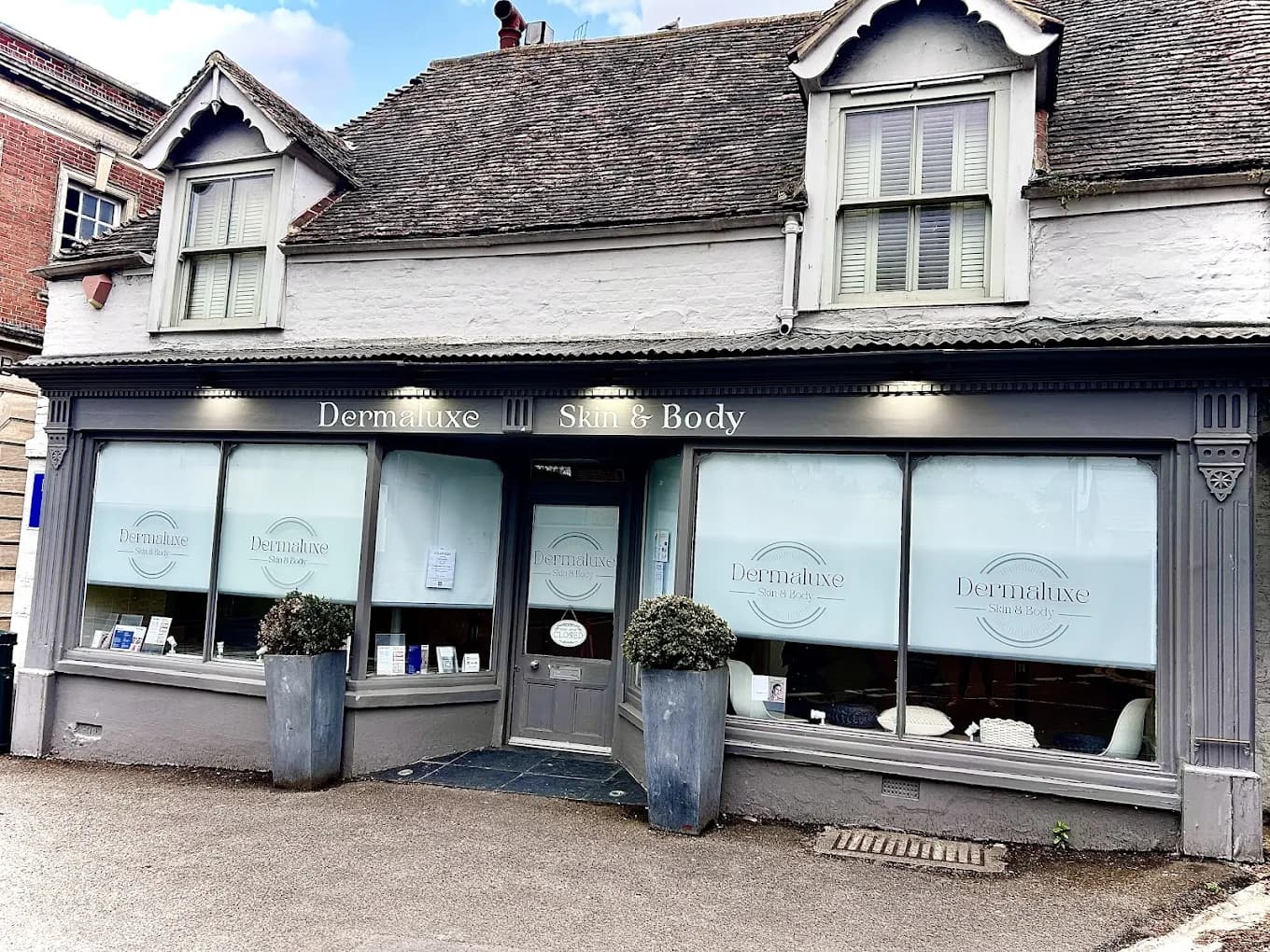
Dermaluxe Skin and Body
star
4.8
(35 reviews)
£££
CT3 1AB, 33 High Street, WinghamCT3 1AB, 33 High Street, Wingham
Get directionsGet directions to Dermaluxe Skin and Body
I saw nurse louise who was very informative about my treatment , she is kind caring gives you time to talk & think about & advise about what you want done ! I was  very happy with my treatment ! She is sooo good at what she does !
I’ve found a lovely place to go now  l felt really relaxed. I’ve also had a massage at Dermaluxe that was so good as well !
I won’t go anywhere else it’s discreet & also has a nice ambiance. Best wishes to you Dermaluxe .X

I saw nurse louise who was very informative about my treatment , she is kind caring gives you time to talk & think about & advise about what you want done ! I was very happy with my treatment ! She is sooo good at what she does ! I’ve found a lovely place to go now l felt really relaxed. I’ve also had a massage at Dermaluxe that was so good as well ! I won’t go anywhere else it’s discreet & also has a nice ambiance. Best wishes to you Dermaluxe .X

PRP therapy (Platelet-Rich Plasma) - treatment price starts at

£295
Get recommendation

Too Many Options?

Get free advice from our team — we'll help you find the perfect match.

Free consultation
Too Many Options?
Image placeholder
star
5.0
(210 reviews)
£££
CT1 3ZL, Unit 1 Fairbrass Way, CanterburyCT1 3ZL, Unit 1 Fairbrass Way, Canterbury
Get directionsGet directions to The Derma Clinic Kent
Louise was fabulous. Very attentive and made me feel so comfortable. Would highly recommend the forma facial, has reduced my pores, helped with my fine lines and my face feels so fresh. Louise was so helpful with her knowledge of skincare. Thank you!

Louise was fabulous. Very attentive and made me feel so comfortable. Would highly recommend the forma facial, has reduced my pores, helped with my fine lines and my face feels so fresh. Louise was so helpful with her knowledge of skincare. Thank you!

PRP (Platelet Rich Plasma).

£280
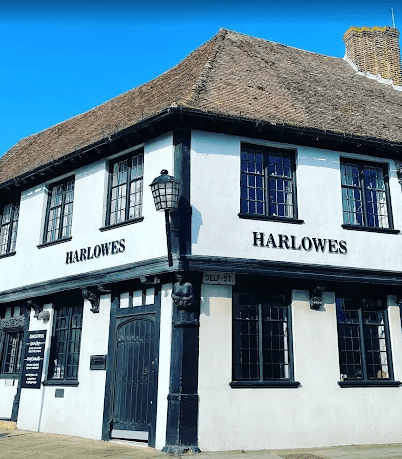
Harlowes
star
5.0
(89 reviews)
£££
CT13 9AF, 2 Cattle Market, SandwichCT13 9AF, 2 Cattle Market, Sandwich
Get directionsGet directions to Harlowes
Fabulous service and atmosphere. Best threading technique together with amazing results making my brows look fuller.  I could not be more happy.

Fabulous service and atmosphere. Best threading technique together with amazing results making my brows look fuller. I could not be more happy.

Protein Rich Plasma

£175-£195

per session

£175-£195

course of three (1 month apart)

£425-£495
RK Exquisite
star
4.9
(132 reviews)
£££
CT1 3PJ, Gordon Road, CanterburyCT1 3PJ, Gordon Road, Canterbury
Get directionsGet directions to RK Exquisite
I was so anxious before getting my eyebrows micro-bladed, getting your face tattooed isn’t a small decision. I was terrified they would end up looking blocky or obviously tattooed and just not natural at all. At the consultation Roxy made me feel at ease straight away, showing me examples of how my eyebrows would look at the end, and working with me for the colour and style I wanted and what suits my features. The end results look soooo natural, anyone I’ve since told don’t believe that I have them done because they look so natural (which is exactly what I asked for). I absolutely cannot recommend her enough, I love the end results and have family and friends all asking now and wanting to book too!

I was so anxious before getting my eyebrows micro-bladed, getting your face tattooed isn’t a small decision. I was terrified they would end up looking blocky or obviously tattooed and just not natural at all. At the consultation Roxy made me feel at ease straight away, showing me Read more

Mesotherapy Under the Eyes

£150
Harlowes - Guston
star
5.0
(39 reviews)
£££
CT15 5EX, 4 East Langdon Road, GustonCT15 5EX, 4 East Langdon Road, Guston
Get directionsGet directions to Harlowes - Guston
I have used the salon two times now and booked to go back again soon for a hydra facial.
The setting is so lovely and calm, Sophie is a real professional at her job and perfectionist. I highly recommend going if you want to feel pampered and relaxed.

I have used the salon two times now and booked to go back again soon for a hydra facial. The setting is so lovely and calm, Sophie is a real professional at her job and perfectionist. I highly recommend going if you want to feel pampered and relaxed.

Protein Rich Plasma - course of three (1 month apart)

£425-£495

Protein Rich Plasma

£175-£195
Skin & Moore
star
5.0
(29 reviews)
£££
CT10 1NE, 41 Albion Street, BroadstairsCT10 1NE, 41 Albion Street, Broadstairs
Get directionsGet directions to Skin & Moore
Could not recommend higher. Professional, clean environment. Christina was friendly, polite and informative. Mole screening results were received efficiently.

Could not recommend higher. Professional, clean environment. Christina was friendly, polite and informative. Mole screening results were received efficiently.

PRP Facial – £180

£180

PRP Therapy + Microneedling – £180

£180

Under Eye PRP – £150

£150
Elysian
star
5.0
(5 reviews)
£££
CT6 8SL, 39 The Broadway, Herne BayCT6 8SL, 39 The Broadway, Herne Bay
Get directionsGet directions to Elysian
Lauren is amazing. I highly recommend her, very professional and qualified.

Lauren is amazing. I highly recommend her, very professional and qualified.

Platelet Rich Plasma Therapy (PRP) — Vampire Facial-PRP with Microneedling (Face and Neck OR body)

£150

Platelet Rich Plasma Therapy (PRP) — Course of 3 PRP - 1 month apart (microneedling or injected)

£400
Image placeholder
star
5.0
(2 reviews)
£££
CT11 9RX, 82 High Street, RamsgateCT11 9RX, 82 High Street, Ramsgate
Get directionsGet directions to Anna Ash Aesthetics
I went to Anna to have get a top up to my existing microbladed eyebrows, as unfortunately my old practitioner was no longer offering these services. A full consultation was performed a few weeks before the procudure and included a patch test. Anna performed as amazing job, blending the colour and building depth to my eyebrows. The whole process was painless. I highly recommend her services, and will be back again for my next top up.

I went to Anna to have get a top up to my existing microbladed eyebrows, as unfortunately my old practitioner was no longer offering these services. A full consultation was performed a few weeks before the procudure and included a patch test. Anna performed as amazing job, blending Read more

Vitaran under eyes /face

£160-£180

Under eye area

£200
Fill Your Face Aesthetics - Thanet
star
4.9
(11 reviews)
£££
CT11 9FE, RamsgateCT11 9FE, Ramsgate
Get directionsGet directions to Fill Your Face Aesthetics - Thanet
⭐️⭐️⭐️⭐️⭐️
I was hesitant about seeing an aesthetician but Kelly came highly recommended to me through a friend saying she really knew her stuff and she was right. Kelly’s background as a nurse assured me I was in very qualified hands.

Most importantly to me, Kelly listened to my concerns and explained what she could do to help. She did NOT just agree to treatments I didn’t need for the ££ which speaks volumes about her, in fact she advised AGAINST certain treatments. She carefully watched my facial movements and expressions to assess the muscle movements and explained what could be done to address my concerns, never pressuring me but giving me the options and time to think about it and took really good care of me at all stages.

I did not even realise how much of a game changer the Botox in my jaw would be. I no longer tense my jaw when stressed and don't have to suffer from chronic face ache anymore. My sleep quality has improved tenfold and I don’t wake up with my face screwed up with tension which in turn has improved the skin on my upper face areas without the need for Botox there. As a knock on effect my stress and anxiety levels have dropped because I’m not holding that tension. If you clench your jaw or grind your teeth you need this treatment it will change everything !

I would highly recommend Kelly to anyone considering aesthetic treatments and can’t thank her enough. I only wish I’d had it done sooner!!

⭐️⭐️⭐️⭐️⭐️ I was hesitant about seeing an aesthetician but Kelly came highly recommended to me through a friend saying she really knew her stuff and she was right. Kelly’s background as a nurse assured me I was in very qualified hands. Most importantly to me, Kelly listened to Read more

Face Treatment

£400
New to PRP / PRF Therapy?

New to PRP / PRF Therapy?

Learn what this treatment is and how it works.

Explore Guides
About Prp / prf therapy

About Prp / prf therapy

If you're looking for Prp / prf therapy in Wingham, MARBL makes it easy to compare medical-led clinics in one place. You can compare 9+ clinics for Prp / prf therapy in Wingham side by side. Prices typically range from around £150 to £425, depending on the clinic, treatment area and number of sessions. All clinics on MARBL are medical-led and carefully vetted – we list only around 10% of clinics in the UK that meet our safety and quality standards. Browse verified reviews and book your appointment online in just a few clicks.

PRP / PRF Therapy treatments provide specialized aesthetic care using advanced techniques to address specific concerns and enhance natural beauty. These professional procedures combine medical expertise with modern technology to deliver safe, effective results tailored to individual needs. The treatments offer both therapeutic and aesthetic benefits through evidence-based approaches and personalized care.

Clinics on MARBL offering prp / prf therapy are carefully vetted for injection expertise, product authenticity, and comprehensive facial enhancement capabilities. Treatments are performed by certified injectors with specialized training in facial anatomy, aesthetic proportions, and advanced injection techniques. On each clinic page, you'll find detailed information about practitioner qualifications, treatment approaches, and guidance on achieving optimal results through professional care and comprehensive treatment support.

Sessions typically take 30-60 minutes depending on treatment scope, with results timeline varying based on individual response and treatment protocol. MARBL gives you everything you need to book confidently: transparent pricing, real-time availability, verified reviews, and certified prp / prf therapy specialists near you.
Aesthetic treatments similar to PRP / PRF Therapy that may interest you

other popular treatments

Anti-Wrinkle Injections

Anti-Wrinkle Injections

£30-£566
Book Now
Dermal Fillers

Dermal Fillers

£41-£550
Book Now
Profhilo

Profhilo

£250-£760
Book Now
Chemical Peels

Chemical Peels

£50-£1,520
Book Now
HydraFacial

HydraFacial

£70-£325
Book Now
Skin Boosters

Skin Boosters

£149-£600
Book Now
Fat Dissolving Injections

Fat Dissolving Injections

£100-£1,500
Book Now
IPL/BBL Photofacial

IPL/BBL Photofacial

£60-£1,140
Book Now

Explore the best clinics for PRP / PRF Therapy near you – start by picking your city

FAQs

PRP therapy, or Platelet-Rich Plasma therapy, is a regenerative medical treatment that uses a concentrated form of your own blood platelets to promote healing, tissue regeneration and rejuvenation. The treatment is used in aesthetic medicine for hair restoration, skin rejuvenation, under-eye treatment and various cosmetic concerns, as well as in orthopedic medicine for joint and tissue injuries. How PRP therapy works involves drawing a small amount of your blood, similar to a blood test; spinning the blood in a centrifuge to separate components; concentrating the platelet-rich plasma which contains growth factors; and injecting this concentrated PRP into targeted treatment areas. What platelets do in healing shows they contain numerous growth factors including PDGF (platelet-derived growth factor), VEGF (vascular endothelial growth factor), TGF (transforming growth factor), EGF (epidermal growth factor) and IGF (insulin-like growth factor); these growth factors stimulate cellular repair and regeneration; promote collagen production; enhance blood vessel formation; and accelerate natural healing processes. Common aesthetic uses for PRP include hair loss and thinning hair treatment; facial rejuvenation and skin quality improvement; under-eye dark circles and hollows; acne scarring; skin texture and tone concerns; and overall anti-aging treatments. Medical applications of PRP show treatment of joint pain and arthritis; tendon and ligament injuries; muscle strains; chronic wound healing; and various orthopedic conditions. The PRP preparation process demonstrates blood being drawn into special tubes; centrifugation separating red blood cells from plasma and platelets; the platelet-rich portion being extracted; and concentration typically being 3 to 5 times higher than normal blood. What makes PRP appealing includes using your own blood minimizing rejection risk; being a natural regenerative approach; having versatile applications; showing good safety profile; and providing gradual natural-looking results. A typical PRP session involves blood draw taking 5 to 10 minutes; processing taking 10 to 15 minutes; treatment area preparation; injection taking 15 to 30 minutes; and total appointment lasting 45 to 90 minutes.

In Wingham, the price of PRP / PRF Therapy typically ranges from around £295 to £295 depending on the clinic. How much PRP / PRF Therapy costs in Wingham can vary by treatment area (scalp, face or body), whether PRP or PRF is chosen, and the number of sessions in a course. The cost of PRP / PRF Therapy overall is also influenced by practitioner experience, clinic facilities and any combined treatments such as microneedling. You can find the exact, up-to-date price for this treatment in the catalogue

PRP therapy for hair loss is a medical treatment that involves injecting concentrated platelet-rich plasma from your own blood into the scalp to stimulate hair follicles, promote hair growth, increase hair density and slow hair loss. The treatment has become increasingly popular as a non-surgical option for both men and women with thinning hair or androgenetic alopecia. How PRP works for hair shows growth factors in platelets stimulating dormant hair follicles; promoting new blood vessel formation nourishing follicles; extending the hair growth phase; increasing hair diameter and thickness; improving scalp health and circulation; and triggering cellular regeneration in hair follicles. What PRP can treat for hair includes androgenetic alopecia (pattern hair loss) in both men and women; diffuse hair thinning; weak or fine hair quality; early-stage hair loss with viable follicles; and maintenance after hair transplant surgery. The hair PRP procedure involves blood being drawn and processed; scalp being cleansed and possibly numbed; multiple small injections across thinning areas; PRP being distributed throughout scalp; and treatment taking 30 to 60 minutes total. Treatment protocols for hair loss show initial series of 3 to 4 sessions spaced 4 to 6 weeks apart; maintenance treatments every 4 to 6 months; and some protocols using monthly treatments for first 3 to 6 months. Expected results from hair PRP include reduced hair shedding within 2 to 3 months; new hair growth visible at 3 to 6 months; increased hair density and thickness; improved hair quality and texture; and optimal results at 6 to 12 months with maintenance. Effectiveness for hair loss shows clinical studies demonstrating increased hair count; improvements in hair diameter; patient satisfaction in many cases; but individual response varying significantly; and best results in early hair loss with viable follicles. Who benefits most from hair PRP includes people with early to moderate hair loss; those with diffuse thinning; women with female pattern hair loss; men with androgenetic alopecia; and patients seeking to maintain hair transplant results. Factors affecting hair PRP results include the extent and duration of hair loss; quality and preparation of PRP; injection technique and depth; number of treatments completed; individual healing response; and whether combined with other treatments like minoxidil or finasteride.

PRP therapy for hair loss is a regenerative treatment using concentrated growth factors from your own blood to reactivate dormant hair follicles, strengthen existing hair and slow progressive hair loss, offering a non-surgical alternative to hair transplants or ongoing medication. The treatment addresses the underlying follicle health rather than just symptoms. The mechanism for treating hair loss involves PRP growth factors prolonging the anagen (growth) phase of hair cycle; waking up dormant follicles in telogen (resting) phase; improving blood supply to follicles; reducing inflammation that contributes to hair loss; strengthening the hair shaft; and promoting dermal papilla cell proliferation essential for hair growth. Types of hair loss PRP can help shows androgenetic alopecia being the primary indication; pattern baldness in men and women; diffuse thinning from various causes; traction alopecia from hairstyles; post-pregnancy hair loss; and stress-related hair shedding. What PRP cannot treat for hair includes completely bald areas with no follicles remaining; scarring alopecia where follicles are destroyed; autoimmune hair loss like alopecia areata having variable response; and very advanced baldness with extensive follicle loss. The hair loss PRP procedure specifics show blood draw of 20 to 60ml depending on treatment area; centrifugation producing concentrated PRP; scalp being marked for injection points; multiple small injections 1cm apart; and thorough coverage of thinning areas. Treatment response timeline demonstrates initial increased shedding possible in first month; reduced hair loss noticeable at 2 to 3 months; early new growth visible at 3 to 4 months; significant improvement at 6 to 9 months; and continued enhancement up to 12 months. Evidence for hair loss treatment includes clinical studies showing hair count increases; research demonstrating follicle stimulation; improvements in hair density measurements; patient-reported satisfaction; but lack of standardized protocols; and individual response being unpredictable. Realistic expectations for hair loss show PRP can slow progression and improve density; new hair growth is possible but not guaranteed; improvement is gradual over many months; maintenance treatments are necessary; and combination with other treatments often provides best results. Combining PRP with other hair treatments demonstrates synergy with minoxidil; compatibility with finasteride; enhancement of hair transplant outcomes; and comprehensive approach yielding better results than monotherapy.

No, PRP (Platelet-Rich Plasma) and stem cell therapy are not the same thing, though they are both regenerative treatments that are sometimes confused or used together. They work through different mechanisms and involve different biological components. What PRP therapy is shows it using concentrated platelets from your own blood; containing growth factors that signal cells; promoting healing and regeneration; not containing actual stem cells; and stimulating your body's existing cells to repair. What stem cell therapy is demonstrates it introducing actual stem cells to treatment area; cells differentiating into needed tissue types; directly replacing damaged cells; having potential for structural regeneration; and being more controversial and expensive. Key differences between PRP and stem cells include PRP being derived from blood platelets; stem cells coming from bone marrow, adipose tissue or other sources; PRP containing growth factors and signaling molecules; stem cells being actual cells that can become different tissue types; PRP stimulating existing cells; and stem cells potentially becoming new tissue. How they work differently shows PRP releasing growth factors that activate healing; working through cellular signaling; requiring existing cells to respond; and providing temporary stimulation; while stem cells differentiate into needed cell types; physically replacing damaged tissue; integrating into existing tissue; and potentially providing longer-lasting regeneration. Regulatory and availability differences demonstrate PRP being widely available and accepted; using only your own blood components; having established protocols; being relatively affordable; and having proven safety record; while stem cell therapy having more regulatory restrictions; requiring cell harvesting procedures; protocols being less standardized; costing significantly more; and safety concerns existing with some sources. Clinical evidence comparison shows PRP having substantial research for various applications; proven effectiveness for some indications; being considered standard of care for some uses; and having clearer risk-benefit profile; while stem cell therapy having limited quality evidence; effectiveness being unproven for many claims; being more experimental; and long-term effects being unknown. When they might be combined relates to some practitioners offering combination treatments; theoretical synergy between growth factors and cells; but evidence for combination being limited; and adding complexity and cost. Which is better depends on the condition being treated; PRP often being sufficient and safer; stem cell therapy potentially being appropriate for specific medical conditions; but most aesthetic applications not requiring stem cells; and PRP providing good results for hair loss, skin rejuvenation and joint issues. Most aesthetic and regenerative medicine applications use PRP rather than stem cell therapy, as PRP provides effective results with better safety profile, established protocols, regulatory acceptance and much lower cost, while true stem cell therapy remains more experimental and is typically reserved for specific medical conditions under appropriate oversight.

PRP therapy for under-eye bags is a regenerative treatment that involves injecting platelet-rich plasma under the eyes to improve skin quality, reduce hollowing, minimize dark circles and address the aging appearance of the under-eye area through natural tissue regeneration. The treatment provides gradual improvement without surgery or synthetic fillers. How PRP works for under-eye concerns shows growth factors stimulating collagen production to thicken thin under-eye skin; promoting new blood vessel formation improving circulation; enhancing tissue regeneration; reducing inflammation contributing to puffiness; improving skin texture and quality; and potentially lightening dark pigmentation. What under-eye PRP can address includes hollowing and volume loss under eyes; thin, crepey under-eye skin; dark circles from poor circulation; fine lines and wrinkles; overall aging appearance; and skin quality concerns; but not addressing fat pad herniation or severe sagging requiring surgery. The under-eye PRP procedure involves blood draw and processing; careful marking of treatment area; topical numbing cream application; very fine needle or cannula use; precise injection or micro-needling with PRP; and treatment taking 30 to 45 minutes. Treatment protocols for under-eyes show initial series of 2 to 3 treatments spaced 4 to 6 weeks apart; possibly combining with microneedling; maintenance every 6 to 12 months; and gradual improvement over the series. Expected results from under-eye PRP include improved skin thickness and quality; reduced appearance of hollowing; lighter, brighter under-eye area; diminished fine lines; more youthful appearance; and subtle, natural-looking enhancement. Comparing PRP to under-eye fillers demonstrates PRP stimulating your own tissue regeneration; providing gradual natural improvement; no risk of filler complications; being better for skin quality; requiring multiple sessions; and providing subtle rather than dramatic results; while fillers provide immediate volume; creating more dramatic change; lasting 9 to 18 months typically; but not improving underlying skin quality; and carrying filler-specific risks. Realistic expectations for under-eye PRP include understanding improvement is gradual over months; results are subtle not dramatic; best for mild to moderate concerns; severe hollowing may still need fillers or surgery; and maintenance is needed to sustain benefits. Who benefits most from under-eye PRP includes people with mild under-eye aging; thin or poor quality skin; dark circles from circulation; those wanting natural gradual improvement; and patients avoiding or enhancing fillers. Limitations of under-eye PRP show it not providing immediate volume like fillers; not addressing severe hollowing adequately; requiring patience for results; needing multiple treatments; and individual response varying significantly.

There are no strict universal age restrictions for PRP therapy, but most practitioners recommend waiting until at least age 18 for aesthetic applications, with the ideal age depending on the specific condition being treated. Age-related considerations affect both suitability and expected outcomes. Minimum age considerations show aesthetic PRP typically requiring age 18+; some medical applications possibly being appropriate for younger patients under medical supervision; parental consent being needed for minors; and most aesthetic concerns not warranting treatment in younger people. Why 18 is typical minimum age relates to aesthetic treatments generally being for adults; younger patients rarely having conditions requiring PRP; informed consent requiring adulthood; growth and development needing to be complete; and age 18 being standard threshold for elective aesthetic procedures. For hair loss specifically, considerations include pattern hair loss usually beginning in 20s or later; teenage hair loss often having different causes; PRP for adolescents requiring medical evaluation; and treatment generally being inappropriate before pattern established. Maximum age considerations show no upper age limit for PRP; older adults can benefit from treatment; healing capacity being more important than chronological age; underlying health mattering more than age alone; and many people in 60s, 70s and beyond being suitable candidates. How age affects PRP effectiveness demonstrates younger patients typically having better healing response; more robust growth factor activity; faster results; better tissue quality; and optimal outcomes; while older patients may have slower response; potentially needing more treatments; but still achieving good results; and age not being absolute contraindication. Medical clearance by age shows older adults possibly needing medical clearance; assessment of underlying health conditions; medication review for blood thinners; and overall health being more important than age number. Age-appropriate treatment selection involves younger patients possibly benefiting more from preventative treatments; middle-aged patients using PRP for early intervention; older adults using PRP for rejuvenation; and expectations being adjusted for age and tissue quality. When age might affect treatment decisions includes very young adults possibly not needing intervention yet; older adults with significant health issues requiring medical clearance; skin quality and healing capacity being assessed regardless of age; and realistic expectations being especially important. Most practitioners agree that PRP therapy can be performed across a wide age range from young adults to elderly patients, with appropriate candidate selection based on overall health, specific condition, realistic expectations and healing capacity rather than age alone.

PRP therapy carries minimal risks when performed by qualified practitioners using proper techniques, as it uses your own blood eliminating rejection risk, but like any injection-based procedure it is not completely risk-free. The risks are generally mild and temporary. The overall safety profile of PRP shows using autologous (your own) blood eliminating allergic or rejection reactions; growth factors being natural biological substances; decades of use in various medical fields; millions of procedures performed safely; and serious complications being very rare with proper technique. Common minor risks and side effects include pain or discomfort at injection sites; bruising and swelling; redness and irritation; temporary increased sensitivity; mild headache after treatment; and these typically resolving within days without intervention. Infection risk considerations show any injection breaking skin barrier creating infection potential; proper sterile technique being essential; infection risk being very low with appropriate protocols; signs including increasing pain, redness or discharge; and requiring prompt medical attention if suspected. Bleeding and bruising factors demonstrate PRP injections causing micro-trauma; bruising being common especially in vascular areas; blood thinners increasing bruising risk; typically resolving within a week; and rarely being significant. Nerve and tissue damage risks show improper injection technique potentially affecting nerves; qualified practitioners knowing anatomy; facial areas requiring careful technique; and serious nerve damage being extremely rare. Potential allergic reactions relate to anticoagulant in blood collection tubes; additives in some PRP preparations; personal care products used during procedure; and true allergic reactions being uncommon. Risks specific to treatment area include scalp injections rarely causing temporary hair shedding; facial injections risking visible bruising; joint injections having specific orthopedic considerations; and under-eye treatments requiring careful technique. Factors increasing risk show unqualified practitioners lacking proper training; non-sterile equipment or technique; improper PRP preparation; inappropriate patient selection; and underlying health conditions not being considered. Contraindications for PRP include active cancer; blood disorders; platelet dysfunction; pregnancy and breastfeeding; active infections; immunosuppression; and blood-thinning medications potentially requiring discontinuation. Who should avoid PRP therapy shows people with bleeding disorders; those on anticoagulation therapy; patients with active infections; pregnant or breastfeeding women; and those with certain medical conditions requiring clearance. Minimizing PRP risks involves choosing qualified, trained practitioners; ensuring sterile technique; proper patient screening; appropriate PRP preparation; correct injection technique; and following aftercare instructions. Long-term safety shows PRP having excellent long-term safety record; no evidence of systemic problems; ability to have repeated treatments; and natural biological approach being safer than synthetic alternatives. What research shows about safety includes large studies documenting low complication rates; systematic reviews confirming good safety profile; comparison to other procedures showing favorable safety; and continued monitoring supporting long-term safety. Most people undergoing PRP therapy experience no complications beyond minor temporary bruising and discomfort, with serious adverse events being extremely rare when qualified practitioners perform the procedure with appropriate patient selection, sterile technique and proper protocols.

Yes, PRP therapy has several potential side effects, though most are minor, temporary and manageable. The side effects relate primarily to the injection process itself rather than the PRP substance, as it uses your own blood minimizing biological reactions. Common temporary side effects include pain or tenderness at injection sites lasting hours to days; swelling and inflammation being normal healing response; bruising especially in facial or vascular areas; redness and warmth at treatment sites; mild headache after treatment; and temporary increased shedding with hair loss treatment. Pain and discomfort specifics show injection pain being moderate for most people; post-procedure soreness lasting 24 to 48 hours; over-the-counter pain relief usually being sufficient; pain being manageable; and discomfort decreasing significantly after first day. Swelling characteristics demonstrate immediate swelling from injection volume; inflammatory response causing additional swelling; facial treatments showing more visible swelling; typically resolving within 2 to 5 days; and cold compresses helping reduce swelling. Bruising patterns show bruising being very common; appearing within 24 hours; being most noticeable on face; lasting 5 to 10 days typically; and makeup covering most bruising once appropriate. Treatment area-specific side effects include scalp treatments possibly causing temporary increased hair shedding called shock loss; facial treatments showing more visible bruising and swelling; under-eye treatments requiring careful technique to avoid complications; and joint injections having orthopedic-specific considerations. Less common side effects show temporary lightheadedness during blood draw; vasovagal response causing faintness; infection being possible but rare; and allergic reactions being uncommon. The purging or shedding effect with hair loss demonstrates PRP potentially triggering hair follicle synchronization; temporary increased shedding in first month; being actually a sign treatment is working; new growth following shedding phase; and not everyone experiencing this effect. Managing PRP side effects involves applying ice or cold compresses for swelling; using arnica for bruising; taking appropriate pain relief; avoiding blood thinners beforehand; and following all aftercare instructions. When to be concerned about side effects shows increasing pain rather than improving; signs of infection like fever or pus; severe swelling or allergic reaction; persistent symptoms beyond expected timeline; and unusual or concerning reactions requiring medical attention. Duration of side effects demonstrates most resolving within a week; injection site tenderness lasting 2 to 3 days; bruising fading over 7 to 10 days; swelling subsiding within 2 to 5 days; and normal activities resuming quickly. Factors affecting side effects include individual healing response; treatment area and number of injections; injection technique and depth; practitioner skill and experience; and following pre and post-treatment protocols. Minimizing side effects involves avoiding blood-thinning medications beforehand; staying well-hydrated; following pre-treatment instructions; using recommended aftercare products; and avoiding strenuous activity immediately after. What is considered normal versus concerning shows mild pain, bruising and swelling being completely normal; gradual improvement being expected; severe reactions being rare; and when in doubt contacting your practitioner. Most people find PRP side effects to be tolerable and temporary, with the benefits outweighing the brief inconvenience of injection-related effects.

Yes, PRP therapy can be effectively combined with other hair loss treatments, and many practitioners recommend a comprehensive approach using multiple therapies for optimal results. Combining treatments often provides synergistic benefits that are superior to any single treatment alone. Combining PRP with minoxidil shows topical minoxidil promoting hair growth through vasodilation; PRP stimulating follicles with growth factors; treatments working through different mechanisms; synergistic effects being documented; no contraindication to using both; and many people using minoxidil between PRP sessions. PRP with finasteride combination demonstrates finasteride blocking DHT that causes pattern hair loss; PRP promoting follicle health and regeneration; addressing hair loss from two different angles; complementary rather than conflicting actions; and combination often being recommended by hair specialists. Combining PRP with hair transplant shows PRP commonly used before, during or after transplant surgery; improving graft survival and growth; accelerating healing; enhancing overall results; strengthening existing non-transplanted hair; and being standard practice in many clinics. PRP with low-level laser therapy (LLLT) involves both stimulating follicles with different methods; LLLT using light energy; PRP using growth factors; potential for complementary effects; and some people using both modalities. Combining PRP with topical treatments includes medical-grade serums and growth factors; prescription treatments like topical finasteride; over-the-counter hair growth products; and proper absorption after microneedling or PRP. PRP with nutritional supplementation shows biotin, iron and other nutrients supporting hair health; addressing potential deficiencies; supporting cellular functions needed for growth; and comprehensive approach including nutrition. The multi-modal approach benefits demonstrate addressing hair loss from multiple angles; targeting different aspects of follicle health; potentially faster and better results; sustained improvement with maintenance; and personalized combination based on individual needs. Treatment scheduling considerations involve spacing PRP and other treatments appropriately; not overwhelming the scalp; allowing adequate healing between procedures; coordinating timing with practitioner; and following recommended protocols. Safety of combination treatments shows no contraindications for most combinations; treatments being complementary not conflicting; discussing all treatments with practitioner; and monitoring response to combination approach. What practitioners typically recommend includes PRP as foundation treatment; adding minoxidil for daily use; finasteride for men with androgenetic alopecia; lifestyle optimization and nutrition; and customizing combination based on individual presentation. Cost considerations for multiple treatments involve PRP being more expensive initial investment; topicals adding ongoing costs; combinations increasing total investment; but potentially reducing need for future intervention; and viewing as investment in hair preservation. Monitoring combination treatment response shows assessing what is working; adjusting protocol based on results; photographs tracking progress; patience for cumulative effects; and realistic expectations about timelines. Most hair loss specialists recommend combining PRP with appropriate medical therapies rather than relying on any single treatment, as the multi-modal approach addresses hair loss from multiple angles and typically provides superior results to monotherapy.

Yes, PRP therapy can be safely and effectively combined with many other aesthetic and medical treatments, often enhancing results through synergistic effects. The versatile nature of PRP makes it complementary to numerous procedures across different treatment modalities. Combining PRP with microneedling shows this being one of the most popular combinations; microneedling creating channels for PRP penetration; enhanced absorption of growth factors; improved skin texture and tone; superior results to either treatment alone; and commonly called "microneedling with PRP" or "vampire facial". PRP with dermal fillers demonstrates PRP improving skin quality around filler placement; potentially extending filler longevity; addressing different aging aspects; treatments being performed same day or separately; and comprehensive facial rejuvenation approach. Combining PRP with laser treatments includes lasers creating controlled injury; PRP accelerating healing; enhanced regenerative response; improved final outcomes; but requiring proper timing; and some lasers being performed before PRP, others after. PRP with chemical peels shows addressing different skin layers; PRP promoting healing post-peel; potentially better outcomes; careful timing being important; and combination providing comprehensive rejuvenation. PRP with Botox or anti-wrinkle injections involves treatments addressing different aging mechanisms; no interaction between products; can be performed same day; Botox relaxing muscles; and PRP improving skin quality. Combining PRP with surgical procedures demonstrates use before surgery to optimize tissue; during surgery to enhance healing; after surgery to improve results; and accelerating recovery process. PRP with radiofrequency or ultrasound treatments shows both stimulating collagen; working through different mechanisms; enhanced regenerative response; and comprehensive skin tightening approach. Treatment timing and sequencing considerations include some treatments best performed together; others requiring spacing; discussing optimal protocol with practitioner; and individualized planning based on goals. Safety of treatment combinations shows PRP generally being safe with other treatments; no known dangerous interactions; proper assessment being important; and qualified practitioners determining appropriate combinations. What practitioners commonly combine includes PRP with microneedling for skin; PRP with hair transplant; PRP with lasers for rejuvenation; PRP with orthopedic treatments; and customized combination protocols. Benefits of combination approach demonstrate addressing multiple concerns simultaneously; enhanced results through synergy; comprehensive treatment plans; better overall outcomes; and efficient use of treatment time. Cost considerations for multiple treatments involve combinations increasing total investment; potentially reducing number of sessions needed; comprehensive approach providing better value; and discussing costs upfront. Contraindications for combinations show certain treatments not being combined; medical conditions affecting suitability; timing being critical for safety; and qualified practitioners making appropriate recommendations. What research shows about combinations includes studies demonstrating enhanced outcomes; safety of various combinations; synergistic effects being real; and combination protocols becoming standard. Most aesthetic practitioners now incorporate PRP into comprehensive treatment plans, combining it with appropriate complementary procedures to achieve optimal results that address multiple aspects of aging or concern being treated.

Before PRP therapy, people typically have progressive hair loss causing distress; thinning hair reducing confidence; aging skin showing fine lines and loss of quality; under-eye hollowing and dark circles; joint pain or chronic injuries limiting activity; scarring affecting appearance; and frustration with other treatments not providing desired results. These concerns lead people to explore regenerative PRP therapy. After PRP therapy treatment, following completion of recommended initial series (typically 3 to 4 sessions spaced 4 to 6 weeks apart for most applications) and allowing adequate time for growth factors to stimulate regeneration (usually assessed at 3 to 12 months depending on treatment), most appropriate candidates experience meaningful improvements. For hair loss treatment, common results include reduced hair shedding within 2 to 3 months; new hair growth visible at 3 to 6 months; increased hair density and thickness; improved hair quality and appearance; fuller, healthier-looking hair; enhanced confidence about appearance; and maintained results with ongoing maintenance treatments. For facial rejuvenation, results show improved skin texture and quality; reduced fine lines and wrinkles; enhanced skin tone and radiance; tighter, firmer skin; more youthful appearance; and natural-looking gradual improvement. For under-eye treatment, outcomes include reduced dark circles and hollowing; improved skin thickness and quality; brighter, more refreshed appearance; diminished fine lines; and subtle natural enhancement. The improvement timeline by application shows hair loss results developing slowly over 6 to 12 months; facial rejuvenation showing progressive improvement over 2 to 6 months; under-eye results being visible at 2 to 4 months; joint pain potentially improving within weeks to months; and patience being essential for regenerative treatments. The degree of improvement depends critically on baseline condition and severity; number of treatments completed; PRP quality and preparation; injection technique; individual healing response and age; whether combined with other treatments; and realistic expectations about gradual improvement. Typical measurable outcomes for hair show hair count increases of 20% to 30% in responders; improved hair diameter; reduced shedding; increased density in thinning areas; and continued enhancement over 12 months. For skin rejuvenation, outcomes include visible reduction in fine lines; improved skin elasticity; enhanced texture and tone; better overall skin quality; and cumulative improvement with treatment series. Before and after expectations should be realistic: PRP provides gradual, natural-looking improvement not dramatic instant transformation; results require completing full treatment series and allowing adequate time; improvement varies significantly between individuals; maintenance treatments are necessary to sustain benefits every 4 to 12 months depending on application; and some people respond better than others. Factors affecting satisfaction with results include having appropriate concerns that PRP addresses; completing recommended treatment course; following pre and post-treatment protocols; combining with complementary treatments when appropriate; realistic expectations about timelines and degree of improvement; and understanding that PRP stimulates natural regeneration not providing instant correction. Most satisfied PRP patients appreciate the natural regenerative approach using their own healing factors; value gradual improvement appearing natural not sudden; understand maintenance is part of long-term strategy; see meaningful enhancement in their specific concerns; and view PRP as worthwhile investment in appearance and confidence when expectations are appropriate and treatment is performed properly by qualified practitioners.