

pigmentation
Barry

Pigmentation in Barry

Book from 2+ сlinics near you
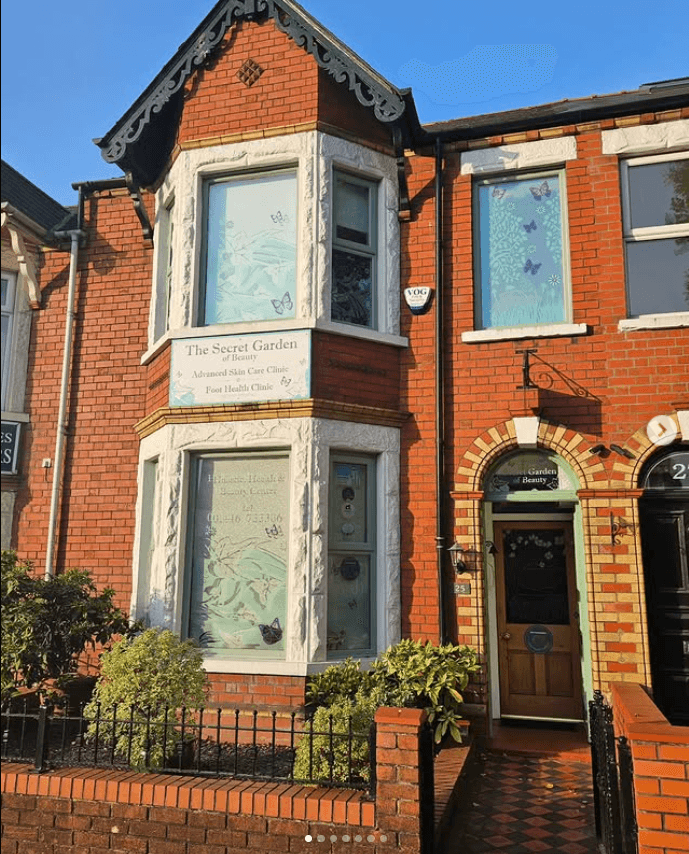
The Secret Garden Of Beauty
star
5.0
(374 reviews)
£££
CF62 8HB, 25 Tynewydd Road, BarryCF62 8HB, 25 Tynewydd Road, Barry
Get directionsGet directions to The Secret Garden Of Beauty
Danielle is a miracle worker. Had 2 hours of absolute heaven. The best massage and facial ever. I feel brand new and so relaxed. Can't wait to come again.

Danielle is a miracle worker. Had 2 hours of absolute heaven. The best massage and facial ever. I feel brand new and so relaxed. Can't wait to come again.

Dermalogica® MELANOPRO — 6 WEEK ADVANCED PACKAGE PLAN

£350
Get recommendation

Too Many Options?

Get free advice from our team — we'll help you find the perfect match.

Free consultation
Too Many Options?
Image placeholder
star
4.8
(306 reviews)
£££
CF10 4DY, Schooner Way, CardiffCF10 4DY, Schooner Way, Cardiff
Get directionsGet directions to Dermaskin Clinic 2
I can't recommend this clinic enough. The staff are all lovely and Dr Sid, he's genuinely so caring and constantly checking to make sure you're OK during the procedure. I'm a bit of a wuss, but always feel in safe hands with him. He's also a perfectionist, which is so important when someone is working on your face! I'd never consider going anywhere else.

I can't recommend this clinic enough. The staff are all lovely and Dr Sid, he's genuinely so caring and constantly checking to make sure you're OK during the procedure. I'm a bit of a wuss, but always feel in safe hands with him. He's also a perfectionist, which Read more

Pigmentation Treatment - Full Face

£425-£575
New to Pigmentation?

New to Pigmentation?

Learn what this treatment is and how it works.

Explore Guides
About Pigmentation

About Pigmentation

If you're looking for Pigmentation in Barry, MARBL makes it easy to compare medical-led clinics in one place. You can compare local clinics for Pigmentation in Barry without endless searching. Prices typically range from around £350 to £425, depending on the clinic, treatment area and number of sessions. All clinics on MARBL are medical-led and carefully vetted – we list only around 10% of clinics in the UK that meet our safety and quality standards. Browse verified reviews and book your appointment online in just a few clicks.

Pigmentation treatments provide specialized aesthetic care using advanced techniques to address specific concerns and enhance natural beauty. These professional procedures combine medical expertise with modern technology to deliver safe, effective results tailored to individual needs. The treatments offer both therapeutic and aesthetic benefits through evidence-based approaches and personalized care.

Clinics on MARBL offering pigmentation are carefully vetted for treatment expertise, safety protocols, and comprehensive condition management. Treatments are performed by trained specialists with expertise in skin conditions, treatment techniques, and comprehensive care protocols. On each clinic page, you'll find detailed information about practitioner qualifications, treatment approaches, and guidance on achieving optimal results through professional care and comprehensive treatment support.

Sessions typically take 30-60 minutes depending on treatment scope, with results timeline varying based on individual response and treatment protocol. MARBL gives you everything you need to book confidently: transparent pricing, real-time availability, verified reviews, and certified pigmentation specialists near you.
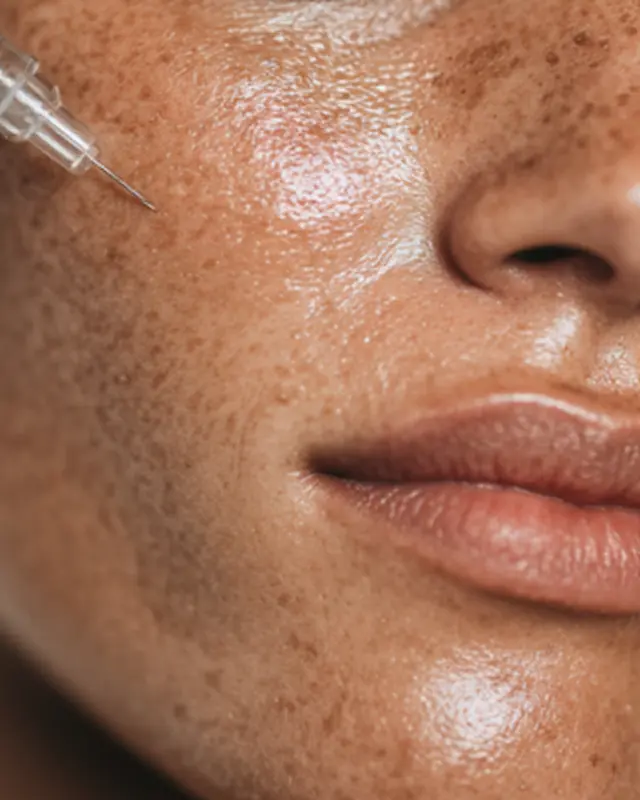
Aesthetic treatments similar to Pigmentation that may interest you

other popular treatments

Anti-Wrinkle Injections

Anti-Wrinkle Injections

£30-£566
Book Now
Profhilo

Profhilo

£250-£760
Book Now
Chemical Peels

Chemical Peels

£50-£1,520
Book Now
Microneedling

Microneedling

£150-£1,488
Book Now
Medical Facials

Medical Facials

£50-£600
Book Now
Mesotherapy

Mesotherapy

£115-£580
Book Now
B12 Injections

B12 Injections

£30-£80
Book Now
LED Light Therapy

LED Light Therapy

£30-£193
Book Now

Explore the best clinics for Pigmentation near you – start by picking your city

FAQs

Skin pigmentation refers to the coloring of your skin, which is determined by the amount and type of melanin (pigment) produced by cells called melanocytes. Pigmentation concerns occur when melanin production becomes uneven, leading to areas of darker (hyperpigmentation) or lighter (hypopigmentation) skin that differ from your natural skin tone. Normal skin pigmentation involves melanocytes producing melanin in response to various factors; this pigment being distributed evenly throughout skin; your natural skin tone being determined genetically; and healthy skin having uniform color and tone. Types of pigmentation concerns include hyperpigmentation where excess melanin causes dark spots, patches or uneven tone; hypopigmentation where reduced melanin causes light spots or patches; melasma showing brown or grey-brown patches typically on face; post-inflammatory hyperpigmentation (PIH) from injury, acne or inflammation; sun spots or age spots from cumulative UV damage; and freckles being genetic clusters of melanin. Common pigmentation conditions show melasma affecting 15% to 50% of pregnant women and those on hormonal contraception; PIH being very common after acne, especially in darker skin; solar lentigines (sun spots) accumulating with age and sun exposure; and vitiligo causing complete loss of pigment in patches. What causes pigmentation to become uneven includes sun exposure being the primary trigger for most hyperpigmentation; hormonal changes from pregnancy, contraception or menopause; inflammation from acne, eczema or injury; certain medications increasing photosensitivity; genetic predisposition; and aging affecting melanocyte function. Why pigmentation matters aesthetically relates to uneven tone affecting skin appearance; pigmentation concerns being very common; significant impact on confidence and self-esteem; desire for clear, even complexion; and pigmentation being one of top aesthetic concerns. The difference between types shows hyperpigmentation being excess melanin production; hypopigmentation being reduced or absent melanin; both affecting skin appearance; requiring different treatment approaches; and proper diagnosis guiding treatment. Understanding skin pigmentation helps recognize that it's a natural process that can become irregular; many effective treatments exist for pigmentation concerns; prevention through sun protection is crucial; and professional assessment determines the best treatment approach for your specific type of pigmentation.

In Barry, the price of Pigmentation typically ranges from around £350 to £350 depending on whether you have laser, IPL, chemical peel or topical treatment. Local prices reflect the treatment area, the technology or device used, the number of sessions recommended and the practitioner’s experience or clinic location. If you’re checking how much Pigmentation costs in Barry or want the price of Pigmentation in Barry, remember that a personalised assessment will define the final course and cost. You can find the exact, up-to-date price for this treatment in the catalogue

Skin pigmentation changes are caused by various factors that trigger melanocytes to produce excess melanin (hyperpigmentation) or reduce melanin production (hypopigmentation), with sun exposure, hormonal changes, inflammation and genetics being the primary causes of uneven skin tone. Sun exposure and UV damage is the leading cause of hyperpigmentation, as UV radiation stimulating melanocytes to produce more melanin as protective response; cumulative sun damage causing age spots and sun spots; tanning being temporary hyperpigmentation; chronic sun exposure causing persistent uneven tone; and UV damage being preventable with proper sun protection. Hormonal changes trigger pigmentation through pregnancy hormones causing melasma (pregnancy mask); oral contraceptives increasing melanin production; hormone replacement therapy affecting pigmentation; thyroid disorders influencing melanin; and hormonal fluctuations being particularly impactful in women. Post-inflammatory hyperpigmentation (PIH) results from acne leaving dark marks after healing; eczema or dermatitis causing discoloration; cuts, burns or injuries triggering excess melanin; inflammatory skin conditions; and darker skin types being more prone to PIH. Genetic factors determining pigmentation include inherited skin type and melanin production; freckles being genetic; some people being predisposed to melasma; family history of pigmentation concerns; and ethnic background affecting susceptibility. Medications that can cause pigmentation include certain antibiotics increasing photosensitivity; chemotherapy drugs causing various pigmentation changes; antimalarial medications; hormone therapies; and non-steroidal anti-inflammatory drugs in some cases. Aging and pigmentation relates to cumulative sun damage becoming visible; melanocyte function becoming irregular; age spots developing; skin cell turnover slowing; and years of environmental exposure manifesting. Medical conditions affecting pigmentation show Addison's disease causing darkening; vitiligo causing depigmentation; diabetes potentially affecting skin tone; liver disease causing pigmentation; and various systemic conditions influencing melanin. Environmental factors include pollution contributing to pigmentation; heat exposure worsening melasma; certain chemicals causing discoloration; and lifestyle factors like smoking affecting skin health. Trauma and skin injury triggers include tattoos being intentional pigmentation; scars often being darker or lighter; friction causing darkening; and physical trauma affecting melanin production. The interaction of multiple causes shows many people having combination of triggers; sun exposure exacerbating hormonal pigmentation; inflammation being worsened by UV; and addressing multiple factors being important for treatment. Understanding causes helps with prevention through sun protection; avoiding triggers when possible; treating underlying conditions; managing hormones when relevant; and choosing appropriate treatments based on cause.

Getting rid of skin pigmentation effectively requires professional treatments that target excess melanin production and distribution, as significant pigmentation concerns cannot be eliminated with over-the-counter products alone, though a combination of professional treatments and medical-grade skincare provides optimal results. Professional treatments for pigmentation include chemical peels using TCA, glycolic or other acids to exfoliate pigmented cells and inhibit melanin production; laser treatments like Q-switched, picosecond or IPL targeting melanin deposits; intense pulsed light (IPL) treating brown spots and uneven tone; microneedling with skin brightening serums enhancing penetration; and prescription-strength treatments providing medical-grade results. The most effective treatments by pigmentation type show melasma responding to combination of chemical peels, laser toning and strict sun protection; post-inflammatory hyperpigmentation improving with chemical peels, lasers and topical treatments; sun spots responding excellently to IPL or laser; and each type requiring tailored approach. Medical-grade topical treatments include prescription hydroquinone being gold standard for melanin inhibition; tretinoin increasing cell turnover; azelaic acid reducing pigmentation and inflammation; kojic acid inhibiting melanin production; tranexamic acid for melasma; and vitamin C providing antioxidant support. The treatment protocol typically involves initial consultation and skin analysis; customized treatment plan; series of 4 to 8 professional treatments; spacing treatments 2 to 4 weeks apart; daily medical-grade skincare at home; and strict sun protection throughout. What treatments cannot do includes completely eliminating all pigmentation permanently; preventing new pigmentation without sun protection; working instantly or providing immediate results; being permanent without maintenance; and guaranteeing results for everyone. Realistic expectations about pigmentation removal show 50% to 80% improvement being achievable; treatment requiring 3 to 6 months minimum; some pigmentation being more stubborn; maintenance being necessary; and sun protection being absolutely essential. The essential role of sun protection involves SPF 50+ daily being non-negotiable; reapplication every 2 hours in sun; physical sun protection with hats and shade; UV exposure undoing all treatment progress; and prevention being easier than correction. Combination approach providing best results demonstrates professional treatments removing existing pigmentation; medical-grade topicals preventing new formation; sun protection maintaining results; and comprehensive approach yielding optimal outcomes. Factors affecting pigmentation removal success include pigmentation type and cause; skin type and Fitzpatrick classification; depth of pigmentation; consistency with treatment and sun protection; and realistic expectations. When to seek professional treatment shows over-the-counter products not providing adequate improvement; desire for significant visible change; pigmentation affecting confidence; and professional guidance ensuring safe, effective treatment. To effectively treat pigmentation, book a consultation on MARBL with a qualified aesthetic practitioner who can assess your specific pigmentation type, recommend the most effective treatment combination, and create a personalized plan to dramatically improve your skin tone and achieve clear, even complexion.

Evening out skin pigmentation requires a comprehensive approach combining professional treatments to address existing uneven tone, medical-grade topical products to prevent new pigmentation, and strict sun protection to maintain results. Achieving even skin tone is one of the most common aesthetic goals and very achievable with proper treatment. Professional treatments for evening skin tone include chemical peels exfoliating pigmented cells and promoting even regeneration; laser treatments targeting specific dark spots; IPL treating overall uneven tone and brown pigmentation; microneedling enhancing product penetration and skin renewal; and regular professional facials maintaining even tone. The treatment strategy for even tone shows addressing multiple areas of hyperpigmentation simultaneously; treating overall skin quality and texture; preventing new pigmentation formation; promoting uniform skin renewal; and comprehensive approach to complexion perfection. Medical-grade skincare regimen includes morning routine with vitamin C serum for antioxidant protection and brightening; broad-spectrum SPF 50+ sunscreen as essential step; and reapplication throughout day. Evening routine involves gentle cleanser removing impurities; prescription retinoid or tretinoin promoting cell turnover; hydroquinone or other brightening agents (if prescribed); niacinamide supporting barrier and evening tone; and moisturizer maintaining skin health. Key ingredients for evening pigmentation show hydroquinone being most effective melanin inhibitor; tranexamic acid for stubborn melasma; azelaic acid reducing pigmentation and inflammation; kojic acid and licorice extract; alpha arbutin; and vitamin C derivatives. The importance of sun protection cannot be overstated, as UV exposure being the primary cause of uneven tone; any treatment being futile without SPF 50+; sun protection preventing new pigmentation; reapplication being essential; and physical blockers being most effective. Treatment timeline for even tone demonstrates initial improvement visible in 4 to 6 weeks; significant evening at 3 to 4 months; optimal results at 6 to 12 months; and maintenance required to sustain results. Factors affecting skin evening success include consistency with treatment and skincare; religious sun protection; treating underlying causes; skin type and baseline pigmentation; and realistic expectations about gradual improvement. What works for different skin types shows lighter skin responding well to most treatments; medium skin requiring careful approach; darker skin needing specialized protocols to avoid post-inflammatory hyperpigmentation; and all skin types benefiting from sun protection. Prevention maintaining even tone involves daily SPF 50+ without exception; treating acne promptly to prevent PIH; avoiding picking or trauma; managing hormones when relevant; and ongoing maintenance treatments. Lifestyle factors supporting even tone include antioxidant-rich diet supporting skin health; adequate hydration; not smoking; managing stress; and consistent sleep for skin regeneration. Realistic expectations about evening tone show significant improvement being very achievable; perfection being unrealistic; some natural variation being normal; maintenance being lifelong commitment; and sun protection determining long-term success. To achieve beautifully even skin tone, book a consultation on MARBL with a qualified aesthetic practitioner who can create a personalized treatment plan combining professional procedures with medical-grade skincare to dramatically improve your complexion and achieve the clear, radiant, even skin tone you desire.

Treating skin pigmentation effectively requires a multi-modal approach tailored to your specific pigmentation type, skin tone and underlying causes, combining professional treatments, medical-grade skincare and strict sun protection for optimal, lasting results. The comprehensive treatment approach involves professional assessment and diagnosis of pigmentation type; customized treatment plan based on your specific concerns; in-clinic procedures targeting existing pigmentation; at-home medical-grade skincare regimen; strict sun protection protocol; and regular follow-up and maintenance. Professional treatment options include chemical peels using acids like glycolic, TCA or kojic to exfoliate pigmented cells and inhibit melanin production; laser therapy with Q-switched, picosecond or fractional lasers targeting melanin; IPL photofacial treating brown spots and uneven tone; microneedling with brightening serums enhancing product penetration; and combination protocols addressing pigmentation comprehensively. Treatment selection by pigmentation type shows melasma requiring gentle approach with chemical peels, laser toning, tranexamic acid and strict sun avoidance; post-inflammatory hyperpigmentation responding to chemical peels, lasers and topical brighteners; sun damage improving with IPL, chemical peels and retinoids; and age spots effectively treated with laser or IPL. Prescription topical treatments include hydroquinone being gold standard melanin inhibitor at 4% to 6% concentration; tretinoin increasing cell turnover and enhancing other treatments; triple combination cream (hydroquinone, tretinoin, steroid) for stubborn pigmentation; tranexamic acid particularly for melasma; and azelaic acid providing brightening and anti-inflammatory effects. Over-the-counter supportive treatments show vitamin C serums providing antioxidant protection and brightening; niacinamide supporting skin barrier and reducing inflammation; alpha arbutin inhibiting melanin; kojic acid and licorice extract; and these complementing but not replacing prescription treatments. The treatment protocol timeline involves initial consultation and assessment; beginning medical-grade skincare regimen; starting professional treatments every 2 to 4 weeks; continuing for 3 to 6 months initially; transitioning to maintenance phase; and ongoing sun protection forever. Sun protection being absolutely essential relates to UV being primary trigger for most pigmentation; treatment being futile without SPF 50+; sun exposure undoing all progress; reapplication every 2 hours in sun; and physical protection with hats and shade. Special considerations by skin type include Fitzpatrick I-III typically tolerating aggressive treatments; Fitzpatrick IV-VI requiring gentler approach to avoid post-inflammatory hyperpigmentation; darker skin having higher risk of pigmentation worsening; and treatment being individualized for safety. Managing expectations about pigmentation treatment shows significant improvement being very achievable with proper treatment; 50% to 80% reduction in pigmentation being realistic; treatment requiring 6 to 12 months for optimal results; maintenance being necessary to sustain improvement; and perfection being unrealistic goal. Factors determining treatment success include accurate diagnosis of pigmentation type; appropriate treatment selection for skin type; consistency with treatment protocol; religious sun protection; addressing underlying causes; and realistic patient expectations. Common mistakes in treating pigmentation include insufficient sun protection undermining treatment; using products that irritate skin; being impatient with gradual improvement; not completing full treatment course; and expecting permanent results without maintenance. Preventing new pigmentation while treating existing involves daily broad-spectrum SPF 50+; treating active acne promptly; avoiding skin trauma or picking; managing hormonal factors; and maintaining skin barrier health. To effectively treat your specific pigmentation concerns, book a consultation on MARBL with a qualified aesthetic practitioner who can properly diagnose your pigmentation type, recommend the most effective treatment combination for your skin, and create a comprehensive plan to dramatically improve your skin tone and achieve the clear, even complexion you desire.

Before skin pigmentation treatment, people typically have visible dark spots, patches or uneven skin tone affecting their complexion; melasma causing brown patches on face; post-acne dark marks that won't fade; sun damage showing age spots and freckles; overall uneven, blotchy skin tone; reduced confidence about bare-faced appearance; reliance on heavy makeup to conceal pigmentation; frustration with over-the-counter products not working; and significant impact on self-esteem despite having otherwise healthy skin. After professional skin pigmentation treatment, following completion of a comprehensive protocol (typically 4 to 8 treatment sessions combined with 6 to 12 months of medical-grade skincare and strict sun protection), most appropriate candidates experience dramatic, life-changing improvements. Common results from pigmentation treatment include 60% to 80% reduction in dark spots and patches; significantly more even, uniform skin tone; dramatic improvement in melasma; clearing of post-inflammatory hyperpigmentation; fading of sun spots and age spots; brighter, more radiant complexion; smooth, clear skin; and restored confidence in bare-faced appearance. Results by treatment type show chemical peel series achieving progressive evening of tone, reduced pigmentation visibility, brighter complexion and smoother texture; laser treatment demonstrating targeted removal of dark spots, dramatic lightening of pigmentation, even skin tone and clear complexion; IPL photofacial showing comprehensive improvement in brown spots, evening of overall tone, reduced redness and radiant skin; and combination treatment providing superior comprehensive results addressing all aspects of pigmentation. The improvement timeline demonstrates first 4 to 6 weeks showing initial lightening of pigmentation; months 2 to 3 with significant visible improvement; months 3 to 6 showing dramatic transformation; months 6 to 12 achieving optimal results; and maintenance sustaining clear, even tone. Physical transformation includes dark spots fading or disappearing; patches of melasma dramatically lightening; overall skin tone becoming uniform; radiant, glowing complexion; confidence wearing less or no makeup; and compliments on clear, beautiful skin. The psychological impact shows enhanced self-esteem and confidence; reduced self-consciousness about appearance; freedom from heavy makeup; positive feelings about reflection; improved quality of life; and profound impact on wellbeing. The degree of improvement depends critically on pigmentation type and baseline severity; consistency with treatment protocol; adherence to medical-grade skincare; religious sun protection compliance; avoiding triggers like sun, heat and hormones; and realistic expectations about improvement versus perfection. Typical measurable outcomes show melasma improving 50% to 70% with comprehensive treatment; post-inflammatory hyperpigmentation clearing 70% to 90%; sun spots reducing 80% to 95%; overall tone evening significantly; and high satisfaction when expectations are appropriate. Before and after expectations should be realistic: professional treatment provides dramatic improvement in pigmentation; most people achieve 60% to 80% reduction in visibility; perfection and completely uniform tone being unrealistic; treatment requiring 6 to 12 months for optimal results; sun protection being absolutely essential forever; new pigmentation developing if sun protection lapses; and maintenance treatments sustaining clear tone. Factors affecting final results include completing full treatment series without gaps; using prescribed medical-grade skincare daily; wearing SPF 50+ every single day without exception; reapplying sunscreen every 2 hours in sun; avoiding sun exposure and heat when possible; treating underlying causes like hormones; and maintaining realistic expectations. Most satisfied pigmentation patients report treatment being life-changing; dramatic improvement in confidence; freedom from heavy concealing makeup; receiving compliments on clear skin; wishing they had sought treatment sooner; and viewing investment as worthwhile; though understanding that sun protection is lifelong commitment and some maintenance may be needed. To achieve dramatic improvement in your pigmentation concerns, book a consultation on MARBL with a qualified aesthetic practitioner who can assess your specific pigmentation type, recommend the most effective treatment combination, and create a comprehensive plan including professional treatments and medical-grade skincare to transform your complexion and achieve the clear, even, radiant skin tone you've been longing for.

Other cities nearby