




mole wart skin tag removal
Walmer

Mole, wart & skin tag removal in Walmer

Book from 7+ сlinics near you
SKINLAB
CT14 7DP, 56-57 The Strand, WalmerCT14 7DP, 56-57 The Strand, Walmer
Get directionsGet directions to SKINLAB
A faultless experience with Skinlab. I had a skin tag and a couple of moles that I was concerned about, so Kate (the Reception Manager) recommended Map My Mole. Vicky was my therapist and was super professional and gentle with the tag removal, and put me at ease straight away. Within 4 hours of leaving the clinic, I had my mole results and thankfully everything was fine. I only wish I'd gone sooner, and not spent the time worrying. I'm now keen to explore other treatments as it's a lovely place that really looks after their customers.

A faultless experience with Skinlab. I had a skin tag and a couple of moles that I was concerned about, so Kate (the Reception Manager) recommended Map My Mole. Vicky was my therapist and was super professional and gentle with the tag removal, and put me at ease straight away. Within 4 hours of leaving the clinic, I had my mole results and thankfully everything was fine. I only wish I'd gone sooner, and not spent the time worrying. I'm now keen to explore other treatments as it's a lovely place that really looks after their customers.

Sebaceous hyperplasia

£25

Mole Checking & Reduction Pricing

£25

Xanthelasma

£25
Get recommendation

Too Many Options?

Get free advice from our team — we'll help you find the perfect match.

Free consultation
Too Many Options?
Harlowes
star
5.0
(89 reviews)
£££
CT13 9AF, 2 Cattle Market, SandwichCT13 9AF, 2 Cattle Market, Sandwich
Get directionsGet directions to Harlowes
Fabulous service and atmosphere. Best threading technique together with amazing results making my brows look fuller.  I could not be more happy.

Fabulous service and atmosphere. Best threading technique together with amazing results making my brows look fuller. I could not be more happy.

up to 3 lesions, per session

£50-£70

Cryotherapy

£50-£70
Harlowes - Guston
star
5.0
(39 reviews)
£££
CT15 5EX, 4 East Langdon Road, GustonCT15 5EX, 4 East Langdon Road, Guston
Get directionsGet directions to Harlowes - Guston
I have used the salon two times now and booked to go back again soon for a hydra facial.
The setting is so lovely and calm, Sophie is a real professional at her job and perfectionist. I highly recommend going if you want to feel pampered and relaxed.

I have used the salon two times now and booked to go back again soon for a hydra facial. The setting is so lovely and calm, Sophie is a real professional at her job and perfectionist. I highly recommend going if you want to feel pampered and relaxed.

Cryotherapy

£50-£70
Image placeholder
star
5.0
(2 reviews)
£££
CT11 9RX, 82 High Street, RamsgateCT11 9RX, 82 High Street, Ramsgate
Get directionsGet directions to Anna Ash Aesthetics
I went to Anna to have get a top up to my existing microbladed eyebrows, as unfortunately my old practitioner was no longer offering these services. A full consultation was performed a few weeks before the procudure and included a patch test. Anna performed as amazing job, blending the colour and building depth to my eyebrows. The whole process was painless. I highly recommend her services, and will be back again for my next top up.

I went to Anna to have get a top up to my existing microbladed eyebrows, as unfortunately my old practitioner was no longer offering these services. A full consultation was performed a few weeks before the procudure and included a patch test. Anna performed as amazing job, blending Read more

Mole removal (doctor’s note needed before treatment)

£50

Skin tag removal

£50
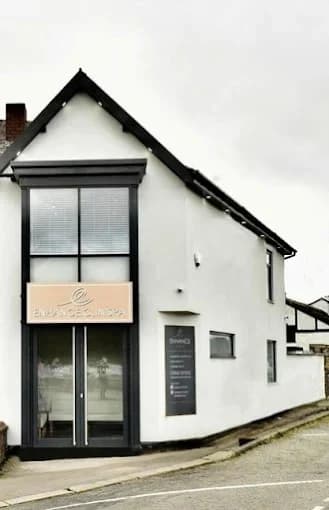
Enhance
star
4.9
(40 reviews)
£££
CT11 9RX, 82 High Street, RamsgateCT11 9RX, 82 High Street, Ramsgate
Get directionsGet directions to Enhance
I had a mole removed 2 weeks ago at enhance by Hannah, the procedure was extremely quick and painless, in and out in 10 minutes. 10 days after the scab fell off and you’d never know there was a mole there in the first place! As someone with slight health anxiety it was never an issue for jasmine to take the time to double check my concerns and put me at ease. 100% recommendation from me. Thanks to Jasmin and Hannah again!
Charlie

I had a mole removed 2 weeks ago at enhance by Hannah, the procedure was extremely quick and painless, in and out in 10 minutes. 10 days after the scab fell off and you’d never know there was a mole there in the first place! As someone with Read more

Mole removal (doctor’s note needed before treatment)

£50

Skin tag removal

£50
Fill Your Face Aesthetics - Thanet
star
4.9
(11 reviews)
£££
CT11 9FE, RamsgateCT11 9FE, Ramsgate
Get directionsGet directions to Fill Your Face Aesthetics - Thanet
⭐️⭐️⭐️⭐️⭐️
I was hesitant about seeing an aesthetician but Kelly came highly recommended to me through a friend saying she really knew her stuff and she was right. Kelly’s background as a nurse assured me I was in very qualified hands.

Most importantly to me, Kelly listened to my concerns and explained what she could do to help. She did NOT just agree to treatments I didn’t need for the ££ which speaks volumes about her, in fact she advised AGAINST certain treatments. She carefully watched my facial movements and expressions to assess the muscle movements and explained what could be done to address my concerns, never pressuring me but giving me the options and time to think about it and took really good care of me at all stages.

I did not even realise how much of a game changer the Botox in my jaw would be. I no longer tense my jaw when stressed and don't have to suffer from chronic face ache anymore. My sleep quality has improved tenfold and I don’t wake up with my face screwed up with tension which in turn has improved the skin on my upper face areas without the need for Botox there. As a knock on effect my stress and anxiety levels have dropped because I’m not holding that tension. If you clench your jaw or grind your teeth you need this treatment it will change everything !

I would highly recommend Kelly to anyone considering aesthetic treatments and can’t thank her enough. I only wish I’d had it done sooner!!

⭐️⭐️⭐️⭐️⭐️ I was hesitant about seeing an aesthetician but Kelly came highly recommended to me through a friend saying she really knew her stuff and she was right. Kelly’s background as a nurse assured me I was in very qualified hands. Most importantly to me, Kelly listened to Read more

ThermaVein® Skin Tag removal/Milia

£40

Skin tag removal

£75
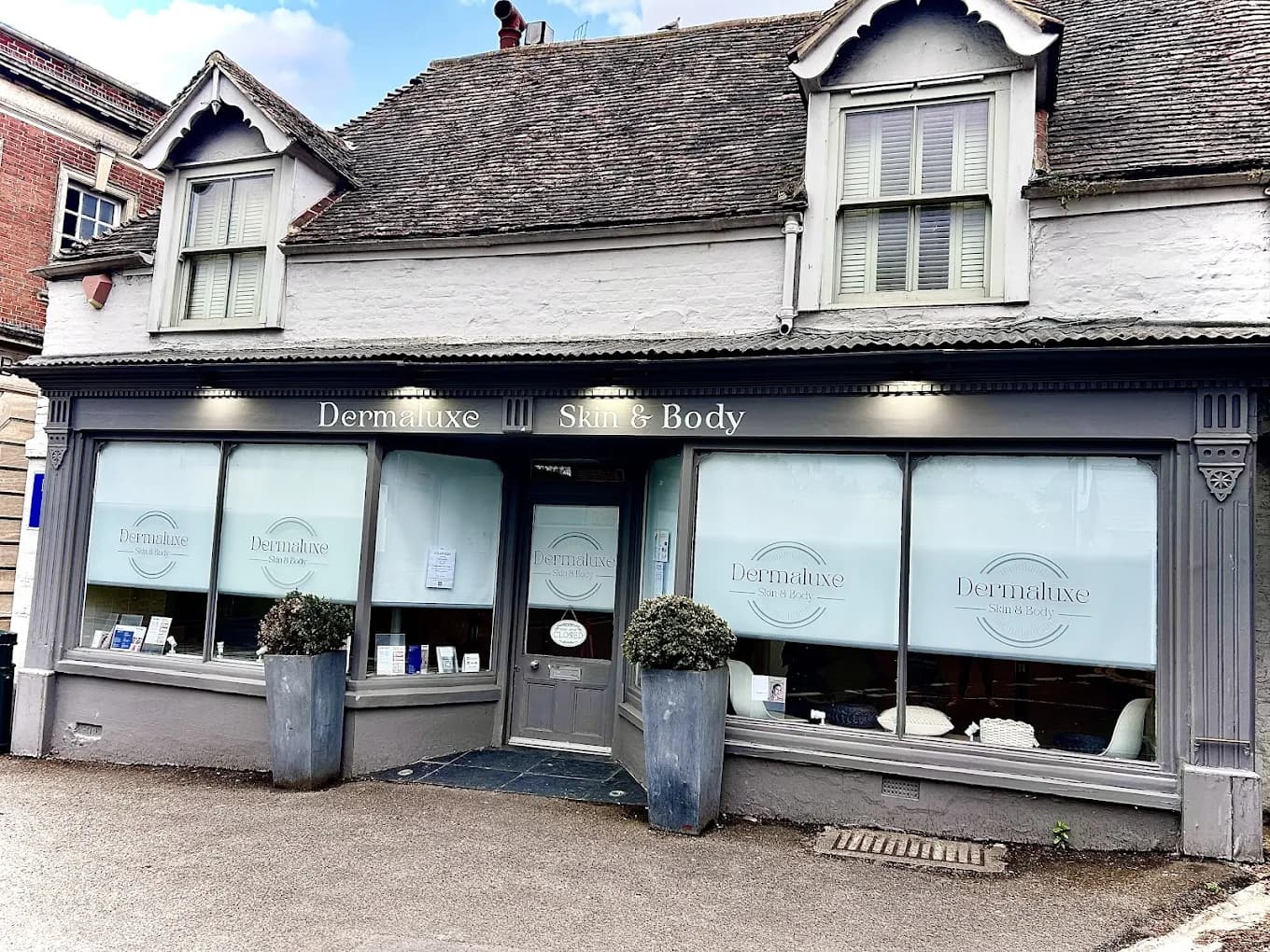
Dermaluxe Skin and Body
star
4.8
(35 reviews)
£££
CT3 1AB, 33 High Street, WinghamCT3 1AB, 33 High Street, Wingham
Get directionsGet directions to Dermaluxe Skin and Body
I saw nurse louise who was very informative about my treatment , she is kind caring gives you time to talk & think about & advise about what you want done ! I was  very happy with my treatment ! She is sooo good at what she does !
I’ve found a lovely place to go now  l felt really relaxed. I’ve also had a massage at Dermaluxe that was so good as well !
I won’t go anywhere else it’s discreet & also has a nice ambiance. Best wishes to you Dermaluxe .X

I saw nurse louise who was very informative about my treatment , she is kind caring gives you time to talk & think about & advise about what you want done ! I was very happy with my treatment ! She is sooo good at what she does Read more

Sharp incision removal and suture

£270

5 lesions

£180

Cryotherapy 1-5 leisons

£180
New to Mole, Wart & Skin Tag Removal?

New to Mole, Wart & Skin Tag Removal?

Learn what this treatment is and how it works.

Explore Guides

reviews

Sarah Wilson-0-starSarah Wilson-1-starSarah Wilson-2-starSarah Wilson-3-starSarah Wilson-4-star

A faultless experience with Skinlab. I had a skin tag and a couple of moles that I was concerned about, so Kate (the Reception Manager) recommended Map My Mole. Vicky was my therapist and was super professional and gentle with the tag removal, and put me at ease straight away. Within 4 hours of leaving the clinic, I had my mole results and thankfully everything was fine. I only wish I'd gone sooner, and not spent the time worrying. I'm now keen to explore other treatments as it's a lovely place that really looks after their customers.

Sarah Wilson

Sarah Wilson

October 5
Janice Bowman-0-starJanice Bowman-1-starJanice Bowman-2-starJanice Bowman-3-starJanice Bowman-4-star

This is the first treatment I have had at skin lab. The ladies ther e are all lovely and very professional and extremely knowledgeable in all areas. I had a consultation with Vicky, who explained in detail, the procedure to remove a wart. I decided to have the procedure done and Vicky put me at ease by explaining everything What she was doing. I wouldn't hesitate to recommend this lovely place

Janice Bowman

Janice Bowman

June 12
Paul C-0-starPaul C-1-starPaul C-2-starPaul C-3-starPaul C-4-star

I visited Skinlab today for a skin tag removal with Vicky and was thoroughly impressed by the whole experience. From the moment I arrived, the clinic felt professional, calm, and welcoming. The consultation was excellent — informative and reassuring — with no pressure or pushy sales tactics. All treatment options were clearly explained, and I felt fully informed before making a decision. I chose to go ahead with the removal, which was far quicker and less painful than expected. Post-treatment care was also clearly outlined. An excellent, professional service from start to finish. Thank you, Vicky and the team.

Paul C

Paul C

May 9
About Mole, wart & skin tag removal

About Mole, wart & skin tag removal

If you're looking for Mole, wart & skin tag removal in Walmer, MARBL makes it easy to compare medical-led clinics in one place. You can compare 7+ clinics for Mole, wart & skin tag removal in Walmer side by side. Prices typically range from around £50 to £270, depending on the clinic, treatment area and number of sessions. All clinics on MARBL are medical-led and carefully vetted – we list only around 10% of clinics in the UK that meet our safety and quality standards. Browse verified reviews and book your appointment online in just a few clicks.

Mole, wart, and skin tag removal treatments use various medical techniques including excision, cauterization, cryotherapy, or laser removal to safely eliminate benign skin lesions. These medical procedures address both cosmetic concerns and potential irritation from raised or rubbing lesions through appropriate removal methods. The treatments offer both immediate removal and histological examination when needed for comprehensive lesion management and peace of mind.

Clinics on MARBL offering mole, wart & skin tag removal are carefully vetted for treatment expertise, safety protocols, and comprehensive condition management. Treatments are performed by trained specialists with expertise in skin conditions, treatment techniques, and comprehensive care protocols. On each clinic page, you'll find detailed information about practitioner qualifications, treatment approaches, and guidance on achieving optimal results through professional care and comprehensive treatment support.

Sessions typically take 15-30 minutes per lesion or group of lesions, with healing complete within 1-3 weeks depending on removal method used. MARBL gives you everything you need to book confidently: transparent pricing, real-time availability, verified reviews, and certified mole, wart & skin tag removal specialists near you.

Aesthetic treatments similar to Mole, Wart & Skin Tag Removal that may interest you

other popular treatments

Anti-Wrinkle Injections

Anti-Wrinkle Injections

£30-£566
Book Now
Laser Hair Removal

Laser Hair Removal

£25-£725
Book Now
Profhilo

Profhilo

£250-£760
Book Now
Chemical Peels

Chemical Peels

£50-£1,520
Book Now
HydraFacial

HydraFacial

£70-£325
Book Now
Microneedling

Microneedling

£150-£1,488
Book Now
Polynucleotides

Polynucleotides

£225-£650
Book Now
Skin Boosters

Skin Boosters

£149-£600
Book Now

Explore the best clinics for Mole, Wart & Skin Tag Removal near you – start by picking your city

FAQs

Moles, warts and skin tags are three distinct types of common skin growths that, while often grouped together, have different causes, characteristics and appropriate treatment approaches. Understanding the differences helps determine the best removal method for each. Moles (nevi) are clusters of pigmented cells appearing as brown, tan or black spots; they can be flat or raised; most people have 10 to 40 moles; they are present from birth or develop during childhood and young adulthood; most are benign but should be monitored for changes; and new moles after age 30 warrant examination. Warts are small, rough growths caused by human papillomavirus (HPV); they can appear anywhere on the body; common types include common warts on hands, plantar warts on feet, flat warts on face and filiform warts on face or neck; they are contagious and can spread; and they often resolve spontaneously but may persist for years. Skin tags (acrochordons) are small, soft, flesh-colored growths hanging from the skin by a thin stalk; they commonly appear on neck, underarms, eyelids and groin; they are more common with age, obesity and diabetes; they are completely harmless; and they tend to increase in number over time. Key differences between these lesions show moles being pigmented cell clusters that are usually permanent; warts being viral infections that may resolve; skin tags being benign growths that persist unless removed; each requiring different treatment approaches; and professional assessment determining what each growth actually is. Why professional diagnosis matters relates to distinguishing between benign and concerning growths; melanoma can resemble moles requiring expert evaluation; seborrheic keratoses often being mistaken for warts or moles; accurate diagnosis guiding appropriate treatment; and ensuring lesions are not more serious conditions. When to seek professional evaluation includes any changing mole in size, shape or color; bleeding, itching or painful lesions; rapid growth of any skin lesion; uncertainty about what a growth is; desire for cosmetic removal; and growths on face requiring careful treatment.

In Walmer, the price of Mole, Wart & Skin Tag Removal typically ranges from around £25 to £25 because clinics use different techniques and pricing structures. Costs commonly depend on the treatment area, the number and complexity of moles, warts or skin tags, whether removal is surgical or device-based, and whether samples are sent for histology. Practitioner experience and clinic location in Walmer can also affect the final cost. If you want to know how much Mole, Wart & Skin Tag Removal in Walmer costs or the cost of Mole, Wart & Skin Tag Removal overall, check and compare local clinic listings. You can find the exact, up-to-date price for this treatment in the catalogue

Professional removal of moles, warts and skin tags involves several safe, effective medical procedures performed by qualified healthcare providers including dermatologists, plastic surgeons or trained aesthetic practitioners, with methods chosen based on the type of lesion, location and individual factors. Professional removal methods for moles include surgical excision where the mole is cut out and the wound is stitched, appropriate for suspicious moles requiring pathology examination and providing definitive removal; surgical shaving where raised moles are shaved flush with skin, suitable for benign raised moles with quicker healing but possible regrowth; and laser removal for small, flat, benign moles, though not appropriate if pathology is needed. Professional wart removal methods show cryotherapy using liquid nitrogen being the most common approach, freezing the wart tissue causing it to die and fall off over 1 to 2 weeks, typically requiring 2 to 4 treatments; salicylic acid treatment being professionally applied at higher concentrations than over-the-counter products; laser treatment destroying wart tissue with concentrated light; electrocautery burning away the wart; surgical excision for stubborn warts; and immunotherapy or prescription medications for resistant cases. Professional skin tag removal involves cryotherapy freezing the skin tag; electrocautery burning the stalk; surgical excision cutting the tag; and these procedures taking minutes with minimal recovery. Why professional removal is essential shows proper diagnosis ensuring the growth is what you think it is; appropriate technique minimizing scarring; sterile conditions preventing infection; ability to send tissue for pathology if needed; proper depth of removal preventing recurrence; and management of complications if they occur. The professional removal process typically involves consultation and examination; discussion of removal options; the actual procedure taking minutes to an hour; local anaesthetic for comfort when needed; proper wound care instructions; and follow-up if necessary. Benefits of professional removal include safety and sterility; appropriate technique for location; minimal scarring with proper method; definitive removal; peace of mind about diagnosis; and professional management of healing. Risks are minimized with professional care but may include infection if wound care is improper; scarring, though minimal with proper technique; pigmentation changes; and recurrence for some warts or moles not fully removed. Most people find professional removal to be straightforward, relatively comfortable and providing the best cosmetic outcome with peace of mind about proper diagnosis and treatment.

Home removal of moles, warts and skin tags is generally not recommended due to significant safety risks including infection, scarring, incomplete removal and most importantly, the inability to determine if a lesion is actually benign. Professional medical removal is always the safest and most effective approach. Why home removal is dangerous shows moles should never be removed at home as they require professional evaluation to rule out melanoma, and self-removal prevents pathological examination; incomplete removal can cause regrowth and worsen appearance; infection is common with non-sterile techniques; significant scarring often results from improper methods; and you cannot diagnose what the growth actually is without medical training. Specific risks of home mole removal include missing melanoma or other skin cancers; inability to examine removed tissue; severe scarring; infection and complications; incomplete removal causing irregular pigmentation; and potential for serious harm. For warts, limited home treatment options exist including over-the-counter salicylic acid products applied daily over weeks with modest effectiveness; duct tape occlusion showing some benefit in studies but requiring patience; and these being much less effective than professional treatment. For skin tags, the only somewhat safer home approach is for very small tags only: tying off the base with dental floss to cut blood supply, causing it to fall off in days, though infection risk exists; or using over-the-counter skin tag removal products, though effectiveness is variable. What you should absolutely never do at home includes cutting off moles, warts or skin tags with scissors, knives or razors; using unproven remedies like apple cider vinegar, tea tree oil or other substances; applying harsh chemicals not designed for skin; burning, freezing with non-medical products; or any method causing open wounds without medical supervision. Why apple cider vinegar and similar remedies are dangerous shows they cause chemical burns and scarring; they do not remove lesions at proper depth; they increase infection risk; they can worsen appearance; and they have no scientific evidence supporting effectiveness. The overwhelming medical consensus shows home removal being dangerous and discouraged; professional removal being safe, effective and providing proper diagnosis; the modest cost of professional removal being worthwhile for safety; and scarring from DIY removal often costing more to repair than professional removal would have cost. If cost is a concern, options include discussing with your GP for NHS referral; payment plans at private clinics; and prioritizing professional removal for facial or suspicious lesions. For anyone considering home removal, the message is clear: do not do it - see a qualified medical professional for safe, effective treatment with proper diagnosis and optimal cosmetic outcome.

No, apple cider vinegar does not safely or effectively remove moles, warts or skin tags, and using it for this purpose can cause chemical burns, scarring, infection and other complications. This popular internet remedy is not supported by scientific evidence and is strongly discouraged by medical professionals. Why apple cider vinegar is ineffective and dangerous shows it is an acid that causes chemical burns rather than precise removal; it damages healthy tissue surrounding the lesion; it does not remove growths at appropriate depth; it creates open wounds prone to infection; it often results in worse scarring than the original lesion; and it provides no diagnosis of what the growth actually is. What actually happens when using apple cider vinegar includes the acid causing superficial chemical burn; skin becoming red, painful and potentially blistering; tissue damage creating a wound; the wound healing with scarring; and the underlying lesion often remaining or recurring since roots were not properly removed. The appeal of home remedies like apple cider vinegar relates to the lower perceived cost compared to professional treatment; convenience of home treatment; and misleading internet claims and anecdotal reports creating false hope. Why anecdotal success stories are misleading shows many lesions disappear spontaneously regardless of treatment; warts in particular often resolve naturally; temporary improvement may occur followed by recurrence; scarring and complications may not be shown in selective photos; and placebo effect influences perception. Scientific evidence on apple cider vinegar shows no peer-reviewed studies supporting its use for skin lesion removal; case reports of complications from attempted use; dermatologists universally discouraging this practice; and no medical organization recommending it. The risks of using apple cider vinegar include chemical burns causing pain and scarring; infection from open wounds; incomplete removal leading to irregular appearance; missing serious conditions like melanoma; and permanent scarring worse than original lesion. Real-world consequences show people presenting to dermatologists with complications from apple cider vinegar use; significant scarring requiring treatment; infections requiring antibiotics; and regret about not seeking professional help initially. Safe alternatives to apple cider vinegar include professional cryotherapy being quick and effective; surgical removal providing definitive treatment; laser removal for appropriate lesions; and proper medical care ensuring diagnosis and optimal cosmetic outcome. The bottom line on apple cider vinegar shows it does not work for safe, effective lesion removal; it causes more problems than it solves; it is dangerous and discouraged by all medical professionals; professional removal is safer, more effective and provides better cosmetic results; and the small cost of professional treatment is worthwhile compared to complications from DIY attempts. If you are considering apple cider vinegar for mole, wart or skin tag removal, the medical advice is unequivocal: do not use it - see a qualified healthcare provider for safe, proper treatment.

Facial moles, warts and skin tags require especially careful professional removal due to the cosmetic importance of the face, thinner skin, visible scarring potential and the need for precise technique. Self-removal should never be attempted on facial lesions. Why facial lesions need professional removal relates to facial skin being thinner and more delicate; scars on the face being highly visible and concerning; specialized techniques minimizing scarring; importance of proper diagnosis for facial lesions; and risk of significant cosmetic damage from improper technique. Professional facial removal methods include surgical shaving being commonly used for raised moles and skin tags, removing the lesion flush with skin surface with minimal scarring; laser removal being excellent for small facial moles and lesions, providing precise treatment with good cosmetic outcomes; cryotherapy for facial warts, though requiring careful application to minimize scarring; surgical excision with careful closure for concerning moles; and electrocautery for small skin tags and warts. Choosing the right method for facial lesions involves considering lesion type and characteristics; location on face; desired cosmetic outcome; whether pathology is needed; and practitioner expertise with facial procedures. Special considerations for facial treatment show more conservative approach minimizing tissue damage; careful technique preventing visible scarring; sometimes staged treatment for large areas; combination methods for optimal results; and emphasis on cosmetic outcome alongside removal. Specialists for facial lesion removal include dermatologists with expertise in facial procedures; plastic surgeons specializing in facial cosmetic work; and experienced aesthetic practitioners for benign lesions. Aftercare for facial removal requires meticulous wound care; strict sun protection essential for months; avoiding makeup initially; careful cleansing and moisturizing; and following all instructions precisely. Scarring prevention on the face involves proper removal technique; appropriate wound healing products; sun protection preventing hyperpigmentation; possibly silicone scar sheets; and patience as scars mature over months. Risks specific to facial removal include visible scarring if technique is improper; hyperpigmentation or hypopigmentation; infection affecting cosmetic outcome; and permanent marks in visible locations. The importance of choosing experienced practitioners for facial work shows their superior technique minimizing scarring; understanding of facial aesthetics; experience with skin of different colors and types; and ability to handle complications. Cost considerations for facial removal show it may cost more than body lesions due to complexity; but is worthwhile given cosmetic importance; and some insurance covering suspicious moles even on face. What to avoid on facial lesions includes never attempting home removal of any facial lesion; avoiding harsh chemicals or treatments; not believing internet remedies; and not delaying professional treatment for suspicious lesions. Most people find that careful professional removal of facial lesions provides excellent cosmetic outcomes with minimal visible scarring when proper techniques are used by experienced practitioners, making professional treatment essential rather than optional for facial concerns.

Yes, professional removal of moles, warts and skin tags is very safe when performed by qualified medical practitioners using appropriate techniques. The treatments have excellent safety profiles with decades of established use, though as with any medical procedure, some risks exist that are minimized with proper care. Safety profile of professional removal shows minor procedures with low complication rates; established techniques with proven track records; ability to manage complications if they occur; appropriate anaesthesia preventing pain; sterile technique preventing infection; and millions of procedures performed safely annually. Why professional removal is safe relates to proper diagnosis ensuring appropriate treatment; correct technique for lesion type and location; sterile conditions preventing infection; appropriate depth preventing recurrence while minimizing scarring; and professional wound care preventing complications. Common temporary effects from removal include minor bleeding at the site; redness and swelling for days; mild discomfort managed with over-the-counter pain relief; scabbing during healing; and temporary pigment changes. Potential complications though uncommon include infection if wound care is improper; scarring, though usually minimal with proper technique; keloid formation in susceptible individuals; pigmentation changes; recurrence of moles or warts; and allergic reactions to local anaesthetic. Safety depends on several factors including choosing qualified practitioners; proper diagnosis before removal; appropriate technique selection; sterile procedure; correct wound care; and patient adherence to aftercare instructions. Risks specific to mole removal show missing melanoma if self-removed or removed by unqualified person; incomplete removal causing irregular pigmentation; significant scarring from improper technique; and preventing pathological examination. Risks specific to wart removal include recurrence being common regardless of treatment method; scarring from aggressive treatment; and spread if not properly managed. Risks specific to skin tag removal show bleeding if not properly cauterized; infection at removal sites; and minor scarring. Safety by removal method indicates surgical excision being very safe with controlled depth; cryotherapy being safe though may cause blistering; laser removal being precise with minimal complications; and electrocautery being safe with proper technique. Safety considerations by location show facial removal requiring more expertise; genital area removal needing specialist care; eyelid lesions requiring ophthalmology referral; and body locations generally being straightforward. Contraindications and cautions include blood clotting disorders requiring precautions; diabetes potentially affecting healing; pregnancy sometimes delaying elective procedures; medications affecting healing or bleeding; and realistic expectations about outcomes. To maximize safety of removal, verify practitioner qualifications and training; ensure proper diagnosis before treatment; disclose complete medical history; follow all pre and post-treatment instructions; report any unusual symptoms promptly; and attend follow-up appointments. When removal might not be safe shows unqualified practitioners or DIY attempts being dangerous; removal without proper diagnosis risking missed cancer; non-sterile conditions risking infection; and inappropriate techniques causing complications. For the vast majority of people having professional removal of benign skin lesions, the procedures are very safe with excellent outcomes and minimal risk when proper protocols are followed.

Before mole, wart and skin tag removal, people typically have visible skin lesions causing cosmetic concern or self-consciousness; raised moles or skin tags catching on clothing or jewelry; multiple lesions accumulating over time; warts that have persisted despite over-the-counter treatments; concerns about appearance in photos or social situations; some lesions being painful or irritated; and desire for clearer, smoother skin. These concerns often affect confidence, clothing choices and comfort. After professional removal of moles, warts and skin tags, following appropriate healing time which varies by removal method (typically 1 to 4 weeks), most people experience excellent outcomes. Common results include complete removal of unwanted lesions with smooth, clear skin; minimal to no visible scarring with proper technique; improved confidence about appearance; freedom from lesions catching on clothing; clearer complexion; and satisfaction with cosmetic outcome. The healing and results timeline shows that immediately after removal, small wounds with possible stitches or scabs; during days 1 to 7, scabs forming and initial healing occurring; during weeks 1 to 4, scabs falling off naturally and fresh skin emerging; during months 1 to 6, scars fading and maturing; and final results with minimal to no visible marks in most cases. Results by removal method show surgical excision leaving a linear scar that fades significantly over months; laser removal often healing with minimal to no scarring; cryotherapy causing temporary lightening that usually resolves; and electrocautery leaving small spots that typically fade well. The cosmetic outcome depends critically on the removal technique used and practitioner skill; location and characteristics of lesion; your skin type and healing capacity; proper wound care during healing; sun protection preventing hyperpigmentation; and realistic expectations about scarring. Typical outcomes for different lesions show moles removed flush with skin, with appropriate technique leaving minimal trace; warts eliminated though recurrence is possible with HPV; skin tags removed completely with tiny marks often invisible; and overall significant cosmetic improvement. Factors affecting final appearance include choosing experienced practitioners; proper technique for lesion and location; meticulous wound care; avoiding sun exposure during healing; not picking at scabs; and allowing adequate time for scar maturation. Scarring considerations show most benign lesion removal heals with minimal visible scarring; facial removal requiring most careful technique; larger excisions potentially leaving more noticeable scars; and keloid-prone individuals having higher risk. Before and after expectations should be realistic: professional removal provides excellent cosmetic outcomes in most cases; some minimal scarring may occur but usually fades significantly; healing takes weeks to months for optimal appearance; sun protection during healing is essential; rare complications like keloid formation can occur; and results are typically far superior to leaving lesions untreated or attempting DIY removal. When to be concerned about results includes signs of infection like increasing redness, pain or discharge; scars that worsen rather than improve over time; keloid development; significant pigmentation changes; or dissatisfaction with cosmetic outcome. Most satisfied patients appreciate having clear, smooth skin free of bothersome lesions; find scars minimal or invisible once healed; report improved confidence and comfort; wish they had pursued professional removal sooner; and recommend professional treatment to others considering it. The transformation from having concerning or bothersome skin lesions to clear, smooth skin through safe professional removal provides both cosmetic improvement and peace of mind about proper diagnosis and treatment.