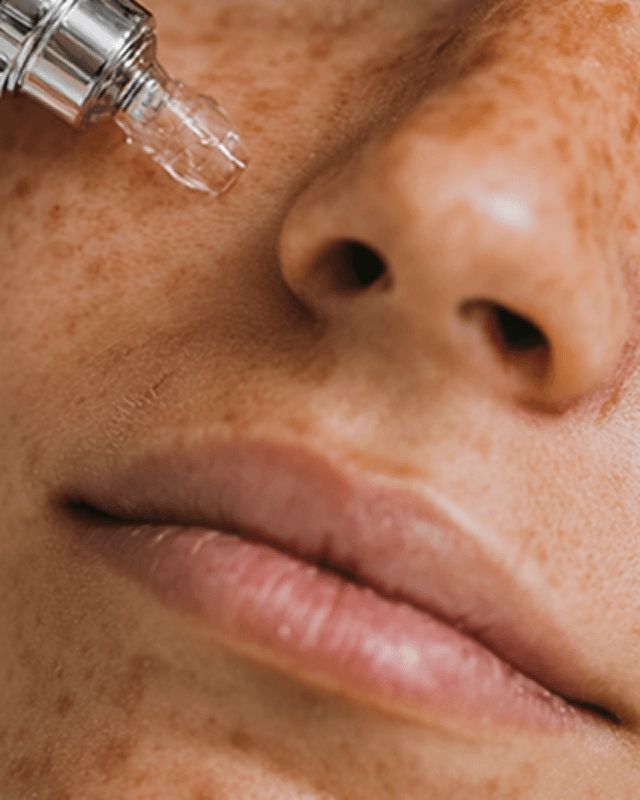
laser pigmentation removal
Plymouth

Laser pigmentation removal in Plymouth

Book from 1+ сlinics near you
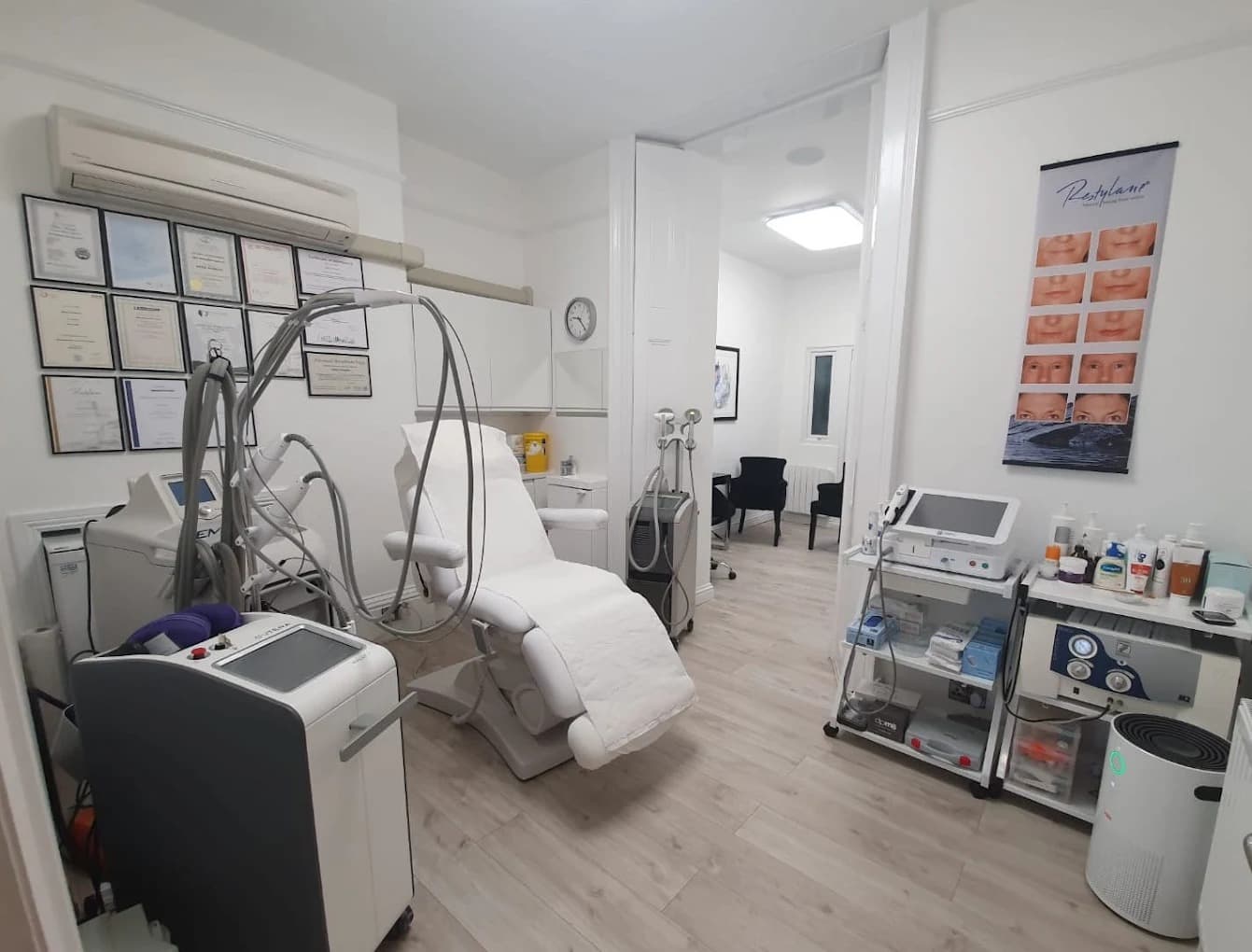
Aesthetic & Laser Clinic
PL4 8LA, 134 North Hill, PlymouthPL4 8LA, 134 North Hill, Plymouth
Get directionsGet directions Aesthetic & Laser Clinic
I went to the clinic to explore options for under-eye dark circle treatment, and I was really impressed by the honesty and care I received. Instead of trying to sell me a treatment that wouldn’t be effective, the practitioner took the time to explain why the options available wouldn’t work for my case and advised me that surgery would be the only solution. She even went a step further by taking my number so she could share the details of a trusted oculoplastic surgeon recommended by one of her clients.

I truly appreciate the honesty, transparency, and effort she put into guiding me in the right direction, even though it meant not booking a treatment with her. The consultation was free, and from reception to consultation I was made to feel very comfortable and at ease. It’s rare to find such professionalism and genuine care, and I highly recommend this clinic.

I went to the clinic to explore options for under-eye dark circle treatment, and I was really impressed by the honesty and care I received. Instead of trying to sell me a treatment that wouldn’t be effective, the practitioner took the time to explain why the options available wouldn’t work for my case and advised me that surgery would be the only solution. She even went a step further by taking my number so she could share the details of a trusted oculoplastic surgeon recommended by one of her clients. I truly appreciate the honesty, transparency, and effort she put into guiding me in the right direction, even though it meant not booking a treatment with her. The consultation was free, and from reception to consultation I was made to feel very comfortable and at ease. It’s rare to find such professionalism and genuine care, and I highly recommend this clinic.

New to Pigmentation?

New to Pigmentation?

Learn what this treatment is and how it works.

Learn more
About Laser pigmentation removal

About Laser pigmentation removal

If you're looking for Laser pigmentation removal in Plymouth, MARBL makes it easy to compare medical-led clinics in one place. You can compare local clinics for Laser pigmentation removal in Plymouth without endless searching. Prices typically range from around £195 to £195, depending on the clinic, treatment area and number of sessions. All clinics on MARBL are medical-led and carefully vetted – we list only around 10% of clinics in the UK that meet our safety and quality standards. Browse verified reviews and book your appointment online in just a few clicks.

Laser Pigmentation Removal uses advanced laser technology to precisely treat specific skin concerns through controlled light energy. This effective treatment delivers targeted therapy to address various conditions while protecting surrounding tissue. The laser procedure offers precise, predictable results with minimal disruption to normal activities.

On MARBL, every clinic offering laser pigmentation removal is vetted for laser technology mastery, comprehensive treatment protocols, and safety standards. Treatments are performed by certified laser specialists with advanced training in light-based therapies. Each clinic listing includes transparent pricing, detailed procedure information, and guidance on achieving optimal results through professional care.

Treatment sessions typically take 30-60 minutes depending on procedure scope, with results timeline varying based on individual response and treatment protocol. You can compare certified specialists near you, check real-time availability, view verified reviews, and book laser pigmentation removal sessions directly through MARBL — achieving your aesthetic goals has never been more convenient.

other popular treatments

Anti-Wrinkle Injections

Anti-Wrinkle Injections

£30-£566
Book Now
Laser Hair Removal

Laser Hair Removal

£25-£725
Book Now
Lip Filler

Lip Filler

£120-£600
Book Now
Dermal Fillers

Dermal Fillers

£41-£550
Book Now
Profhilo

Profhilo

£250-£760
Book Now
Chemical Peels

Chemical Peels

£50-£1,520
Book Now
HydraFacial

HydraFacial

£70-£325
Book Now
Microneedling

Microneedling

£150-£1,488
Book Now

Explore the best clinics for Laser Pigmentation Removal near you – start by picking your city

FAQs

Yes, laser treatment can effectively remove or significantly reduce dark pigmentation, though results depend on the type, depth and cause of the pigmentation. Lasers work by targeting melanin (the pigment) with specific wavelengths of light energy that break down the excess melanin into smaller particles, which are then gradually eliminated by the body's natural processes. Different types of pigmentation respond differently to laser treatment: sun damage and age spots typically respond very well; melasma can improve but is challenging and prone to recurrence; post-inflammatory hyperpigmentation from acne or injury usually responds well; freckles can be effectively lightened or removed; and café-au-lait birthmarks may require multiple sessions with variable results. The effectiveness depends on the depth of pigmentation, with superficial pigmentation responding better than deep dermal pigmentation; skin type, as darker skin tones have higher risk of complications and require specialized lasers; the type and quality of laser used, with Q-switched lasers, picosecond lasers and IPL being common options; and realistic expectations about gradual fading over multiple sessions. Laser treatment works best for clearly defined pigmented lesions; sun damage and age-related pigmentation; people with lighter skin types (though newer lasers can safely treat darker skin); and patients committed to strict sun protection during and after treatment. It is less effective for very deep pigmentation; melasma without comprehensive management including sun protection and topical treatments; and people unable to avoid sun exposure. Most people require 2 to 6 treatment sessions spaced 4 to 8 weeks apart for optimal pigmentation reduction, with results developing gradually as the body clears the fragmented melanin.

In Plymouth, the price of Laser Pigmentation Removal typically ranges from around £195 to £195, although prices vary between clinics. The final cost depends on the area being treated, the specific laser or device used and the number of sessions recommended. Practitioner experience and clinic facilities in Plymouth can also affect how much Laser Pigmentation Removal costs, so quotes may differ. When checking the price of Laser Pigmentation Removal in Plymouth, compare consultation inclusions and package deals to understand the cost of Laser Pigmentation Removal overall. You can find the exact, up-to-date price for this treatment in the catalogue

Yes, laser treatment can remove many types of pigmentation effectively, making it one of the most reliable methods for addressing unwanted dark spots, sun damage and various pigmentation concerns. The treatment works by delivering specific wavelengths of light energy that are selectively absorbed by melanin pigment, causing the pigmented cells to heat up and fragment. The body's immune system then gradually eliminates these fragmented pigment particles over several weeks to months, resulting in visible lightening or clearing of the pigmentation. Common lasers used for pigmentation removal include Q-switched Nd:YAG lasers for deeper pigmentation and darker skin types; Q-switched ruby or alexandrite lasers for superficial pigmentation on lighter skin; picosecond lasers for faster, more effective treatment with less heat damage; and IPL (intense pulsed light) for widespread sun damage and general pigmentation improvement. Different pigmentation types have varying success rates: lentigines (age spots) and solar lentigines (sun spots) typically show excellent clearance of 75% to 100%; freckles can be effectively lightened or removed; post-inflammatory hyperpigmentation usually improves significantly; café-au-lait birthmarks may partially improve but can be resistant; and melasma is challenging, requiring comprehensive management and has high recurrence risk. The treatment process typically involves initial consultation and skin assessment to determine pigmentation type and appropriate laser; possibly starting with less aggressive settings to test skin response; a series of treatments spaced 4 to 8 weeks apart; and strict sun protection throughout the treatment course and afterwards. Results develop gradually as the body clears pigment over weeks to months, with darkening of treated spots before lightening being common. Laser pigmentation removal is generally safe and effective when performed by qualified practitioners using appropriate lasers for your skin type, though risks include temporary hyperpigmentation or hypopigmentation, particularly in darker skin tones; scarring if settings are too aggressive; incomplete clearance requiring additional sessions; and recurrence if sun protection is not maintained.

Laser treatment can permanently remove existing pigmentation spots, as the specific pigmented cells are destroyed and eliminated. However, whether results are truly 'permanent' in the long term depends on several important factors. Once a pigmented lesion like an age spot or freckle is successfully treated and cleared, that specific spot is permanently removed and will not return in the exact same location. However, several caveats apply: new pigmentation can develop in other areas due to sun exposure, ageing or hormonal factors; melasma and hormonally-driven pigmentation often recur even after successful initial clearing; sun damage continues to occur without diligent protection, creating new spots; and some pigmentation types are more prone to recurrence than others. Pigmentation that tends to stay permanently cleared includes solar lentigines (sun spots) and age spots when properly treated and with good sun protection; some types of post-inflammatory hyperpigmentation; and certain superficial pigmented lesions. Pigmentation prone to recurrence includes melasma, which has very high recurrence rates even with treatment; hormonally-influenced pigmentation; and any pigmentation when sun protection is inadequate. To maximize permanence of laser pigmentation removal results, diligent daily sun protection with high SPF is absolutely essential; regular use of topical treatments like retinoids or vitamin C can help prevent new pigmentation; avoiding triggers for pigmentation such as certain medications or hormones; and having maintenance laser sessions if new spots develop. Think of laser pigmentation removal as permanently eliminating existing spots while understanding that your skin's tendency to develop pigmentation continues, so new spots may appear over time with sun exposure and ageing. This is not treatment failure but rather new pigmentation formation. For age spots and sun damage, treated spots typically remain clear for many years or permanently with proper sun protection. For melasma, the condition tends to recur, and laser should be part of comprehensive management rather than viewed as a permanent cure. Always maintain realistic expectations that while specific treated lesions are permanently removed, ongoing sun protection and possibly maintenance treatments are needed to prevent new pigmentation.

Yes, the same Q-switched lasers commonly used for tattoo removal can also effectively treat certain types of pigmentation, as both treatments work by targeting and breaking down pigment particles, whether they are tattoo ink or melanin. However, the settings, techniques and expected outcomes differ between tattoo removal and pigmentation treatment. Q-switched lasers that can treat both include Q-switched Nd:YAG at 1064nm wavelength for deeper pigmentation, tattoo removal and safe treatment of darker skin types; Q-switched ruby laser at 694nm for superficial pigmentation and certain tattoo colours; Q-switched alexandrite at 755nm for pigmentation and various tattoo inks; and picosecond lasers, which are newer generation devices effective for both applications with potentially better results and fewer treatments. The lasers work similarly by delivering very short pulses of high-energy light that shatter pigment particles, whether tattoo ink or melanin, with minimal heat damage to surrounding tissue. However, important differences exist: tattoo removal requires higher energy settings and more aggressive treatment than pigmentation removal; pigmentation treatment uses lower fluence (energy) and gentler parameters; tattoo removal typically requires more sessions (6-12+) while pigmentation often clears in 2-6 treatments; and the target depth differs, with tattoos often being deeper than most pigmentation. A practitioner with a tattoo removal laser can absolutely treat pigmentation, but should adjust settings appropriately, as using tattoo removal settings on pigmentation could cause unnecessary damage, scarring or complications. The same safety considerations apply to both treatments: darker skin types require careful wavelength selection and settings to avoid damaging normal melanin; proper eye protection is essential; sun protection before and after treatment is critical; and multiple sessions are typically needed for optimal results. Some clinics offer both tattoo removal and pigmentation treatment using the same laser platform with appropriate setting adjustments. If you are considering laser treatment for pigmentation at a tattoo removal clinic, ensure the practitioner has specific experience treating pigmentation, not just tattoos, understands the different protocols required, and can adjust settings appropriately for your skin type and pigmentation concern. While the technology is the same, the expertise in treating each condition is important for safe, effective results.

CO2 laser can improve certain types of pigmentation as a secondary benefit of its primary skin resurfacing action, though it is not typically the first-choice treatment specifically for pigmentation removal. CO2 laser is an ablative resurfacing laser that removes the outer layers of skin and stimulates collagen production, which can help with superficial pigmentation that exists in the upper skin layers being removed. The treatment works for pigmentation by removing the pigmented epidermis through controlled ablation; stimulating new, more evenly toned skin growth; improving overall skin tone and texture as a resurfacing benefit; and potentially lightening superficial pigmentation through skin renewal. CO2 laser may be appropriate for pigmentation when it is part of comprehensive facial resurfacing for multiple concerns including pigmentation, wrinkles and texture; superficial pigmentation exists alongside other skin concerns being addressed; or when other pigmentation-specific treatments have not been successful. However, CO2 laser has significant limitations for pigmentation treatment including high risk of post-inflammatory hyperpigmentation, particularly in darker skin types; significant downtime (7-14 days) compared to pigmentation-specific lasers; being too aggressive for isolated pigmentation spots; and potentially causing more pigmentation problems than it solves if not performed correctly. For dedicated pigmentation removal, better options include Q-switched lasers specifically targeting melanin; picosecond lasers for pigmentation without ablation; IPL for widespread sun damage; and gentler treatments with lower complication risks. CO2 laser carries particular risks for pigmentation concerns including temporary or permanent hyperpigmentation, especially in Fitzpatrick skin types III-VI; hypopigmentation (lightening) in treated areas; uneven pigmentation if treatment is not uniform; and potentially worsening melasma or other pigmentation. If CO2 laser is being considered for a treatment that includes pigmentation concerns among other issues, thorough consultation is essential to discuss whether the pigmentation improvement justifies the significant downtime and complication risks; alternative treatments specifically for pigmentation would be more appropriate; and your skin type is suitable, as darker skin types should generally avoid CO2 laser due to high pigmentation risk. Most dermatologists would not recommend CO2 laser as a primary pigmentation treatment, instead reserving it for comprehensive facial resurfacing where pigmentation improvement is a secondary benefit rather than the main goal.

No, laser hair removal does not specifically get rid of pigmentation and is not designed or intended as a pigmentation treatment. Laser hair removal and laser pigmentation removal are different procedures using different wavelengths, parameters and targeting different structures. However, there can be some incidental effects on pigmentation: in some cases, laser hair removal might slightly improve post-inflammatory hyperpigmentation from previous ingrown hairs or shaving irritation by eliminating the hair and thus preventing future inflammation; or the reduction in ingrown hairs and irritation can prevent new pigmentation from forming. However, laser hair removal can also potentially worsen or create pigmentation problems including causing post-inflammatory hyperpigmentation, particularly in darker skin types or when settings are too aggressive; triggering hypopigmentation (lightening) in treated areas; or being contraindicated in areas with active melasma or significant pigmentation concerns. If you have both unwanted hair and pigmentation concerns in the same area, you would typically need separate treatments: pigmentation-specific lasers like Q-switched or picosecond lasers to address the pigmentation; and laser hair removal at appropriate settings to remove unwanted hair. The treatments should generally be performed separately with adequate spacing between sessions, with many practitioners recommending treating pigmentation first before starting hair removal, or alternating treatments with several weeks between each type. Never assume laser hair removal will improve pigmentation, and do not seek hair removal as a pigmentation treatment. If you have significant pigmentation in areas where you want hair removal, discuss this with your practitioner so they can adjust settings appropriately, possibly treat the pigmentation first with appropriate laser, and monitor carefully for any pigmentation worsening. Always disclose all skin concerns during consultation so your practitioner can create an appropriate, safe treatment plan that addresses both issues without one treatment compromising the other.

Laser pigmentation removal causes varying levels of discomfort depending on the type of laser used, the treatment area, settings and individual pain tolerance, but most people find it tolerable rather than severely painful. The sensation varies with different laser types: Q-switched lasers cause brief snapping or stinging sensations with each pulse, often described as similar to a rubber band snap; picosecond lasers have similar but often slightly less discomfort than Q-switched; IPL creates warm, snapping sensations across larger areas; and ablative lasers like CO2 cause more significant burning or heat sensations and typically require stronger numbing. Most people rate laser pigmentation treatment as 3 to 6 out of 10 on the pain scale, finding it uncomfortable but quite manageable, with pain being brief and confined to the actual laser pulses. Pain management options include topical numbing cream applied 30 to 60 minutes before treatment; cooling devices built into lasers or applied between pulses; adjusting laser settings if discomfort is excessive; and taking paracetamol before treatment if desired. Factors affecting comfort levels include the treatment area, with bony areas like the nose being more sensitive than fleshier areas; the size of the treatment area, with larger areas requiring more pulses and endurance; the specific laser device and settings used; and your individual pain tolerance and anxiety levels. After treatment, the treated area typically feels tender, warm or slightly sunburned for several hours to a day; may throb mildly; feels sensitive to touch; and improves steadily over 24 to 48 hours. Most people manage post-treatment discomfort with cool compresses, gentle moisturizers, and over-the-counter pain relief if needed. The discomfort is generally brief and well-tolerated, especially when compared to the results achieved. If you are particularly concerned about pain, discuss this with your practitioner beforehand so they can use maximum numbing and adjust settings for your comfort. Many people find laser pigmentation removal less uncomfortable than they anticipated and very worthwhile for the improvement in their skin.

Yes, laser pigmentation removal works effectively for many types of pigmentation when appropriate lasers are used by qualified practitioners on suitable candidates. Clinical evidence and extensive real-world use show high success rates for treating various pigmentation concerns. Success rates vary by pigmentation type: solar lentigines (sun spots) and age spots typically show 75% to 100% clearance after a treatment series; freckles can be effectively lightened or removed with 60% to 90% improvement; post-inflammatory hyperpigmentation usually responds well with 50% to 80% improvement; café-au-lait birthmarks show variable results with 30% to 70% lightening; and melasma is challenging with 40% to 70% improvement but high recurrence rates. However, effectiveness depends on several critical factors including the type of pigmentation being treated, with some types responding much better than others; the depth of pigmentation, with superficial pigmentation responding better than deep dermal pigmentation; skin type, with lighter skin generally having better outcomes and lower complication risks than darker skin; the specific laser technology used, with newer lasers often producing better results; the number of treatment sessions completed, typically 2 to 6 sessions needed; realistic expectations about gradual fading over time; and strict sun protection before, during and after treatment. Laser pigmentation removal works best for well-defined pigmented lesions; sun damage and age-related pigmentation; people committed to sun protection; and those with realistic expectations about improvement rather than absolute perfection. It is less effective for very deep pigmentation beyond laser reach; melasma without comprehensive management; people unable to comply with sun protection; and those expecting instant results or complete elimination after one treatment. The treatment provides significant improvement for appropriate candidates, with most people achieving 60% to 90% reduction in targeted pigmentation. However, new pigmentation can develop with continued sun exposure, and some conditions like melasma are prone to recurrence. Laser pigmentation removal should be viewed as an effective tool for significantly improving existing pigmentation when combined with proper sun protection and maintenance, rather than as a permanent cure that eliminates all tendency to develop pigmentation.

Before laser pigmentation removal, people typically have visible dark spots, patches or uneven pigmentation causing cosmetic concern including sun spots and age spots creating uneven skin tone; melasma showing as brown patches on cheeks, forehead or upper lip; post-inflammatory hyperpigmentation from acne, injuries or other skin trauma; freckles covering large areas of sun-exposed skin; overall blotchy, uneven complexion from accumulated sun damage; or specific pigmented lesions causing self-consciousness. These pigmentation concerns often make people feel their skin looks older, sun-damaged or uneven, affecting confidence about their appearance. After laser pigmentation removal, following completion of a recommended treatment series (typically 2 to 6 sessions spaced 4 to 8 weeks apart) and allowing time for the body to clear fragmented pigment (usually assessed 8 to 12 weeks after the final session), most appropriate candidates experience significant improvement. Common results include substantial fading or complete clearance of targeted pigmented spots; more even, uniform skin tone overall; reduced contrast between pigmented areas and surrounding skin; brighter, clearer complexion; improved skin appearance and reduced signs of sun damage; and increased confidence about skin appearance. The degree of improvement varies considerably depending on the type and depth of pigmentation, with superficial sun damage often showing 80% to 100% clearance while deeper or hormonal pigmentation may show 40% to 70% improvement; skin type, with lighter skin generally achieving better clearance than darker skin types; the number of treatment sessions completed; adherence to sun protection protocols; and realistic expectations about gradual improvement. Some people achieve nearly complete clearance of pigmentation, while others experience significant but incomplete improvement. During the treatment process, appearance changes follow a typical pattern: immediately after each laser session, treated spots may appear darker, swollen or have a grey-white 'frosted' appearance; within days, treated pigmentation darkens further, forming crusts that gradually flake off over 7 to 14 days; gradual lightening becomes visible 2 to 4 weeks after treatment as the body clears fragmented melanin; and progressive improvement continues for 6 to 12 weeks after each session as pigment clearance completes. Multiple sessions build cumulative improvement, with each treatment targeting remaining pigmentation. It is crucial to avoid sun exposure and wear diligent SPF throughout treatment, as UV exposure can trigger new pigmentation, reduce treatment effectiveness and increase complication risks. Final results are best assessed 8 to 12 weeks after completing the full treatment series once all pigment has been cleared and any temporary post-treatment effects have resolved. Your practitioner should provide realistic before and after photos from their own work showing results after complete treatment courses across different skin types and pigmentation types. Most people with appropriate pigmentation types and realistic expectations are very satisfied with laser pigmentation removal results, finding that significant fading or clearance of dark spots provides meaningful cosmetic improvement and increased confidence. The treatment can be particularly transformative for people with extensive sun damage or age spots creating uneven complexion. However, it is essential to understand that laser treats existing pigmentation but does not prevent new pigmentation from forming, so lifelong sun protection is critical to maintain results and prevent new spots from developing. Some people require maintenance treatments every few years as new sun damage accumulates, though treated spots typically remain clear. For melasma specifically, results must be viewed as part of comprehensive management including sun protection, topical treatments and possibly maintenance laser sessions, rather than as a permanent cure, due to the high recurrence rate of this condition. Overall, laser pigmentation removal offers effective, visible improvement in unwanted pigmentation when performed appropriately on suitable candidates with realistic expectations and commitment to ongoing sun protection.

Other cities nearby

Laser pigmentation removal in Plymouth | Top Clinics, Reviews & Prices | MARBL