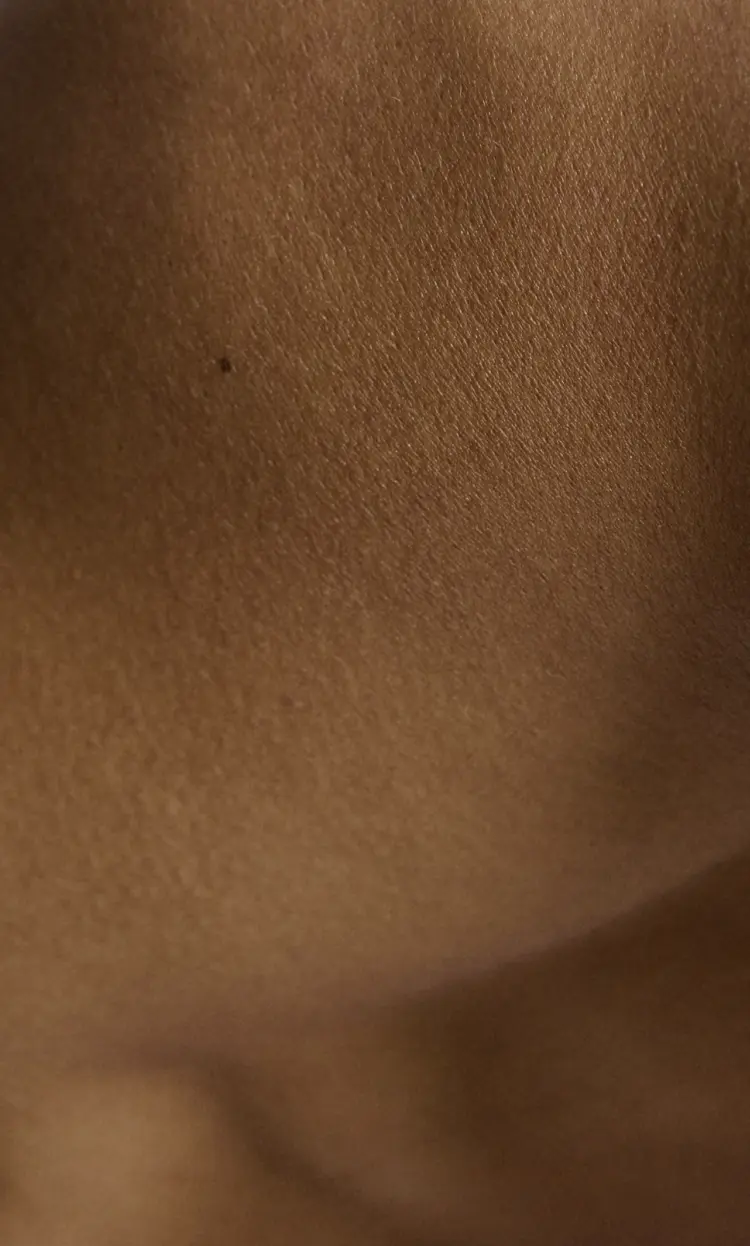
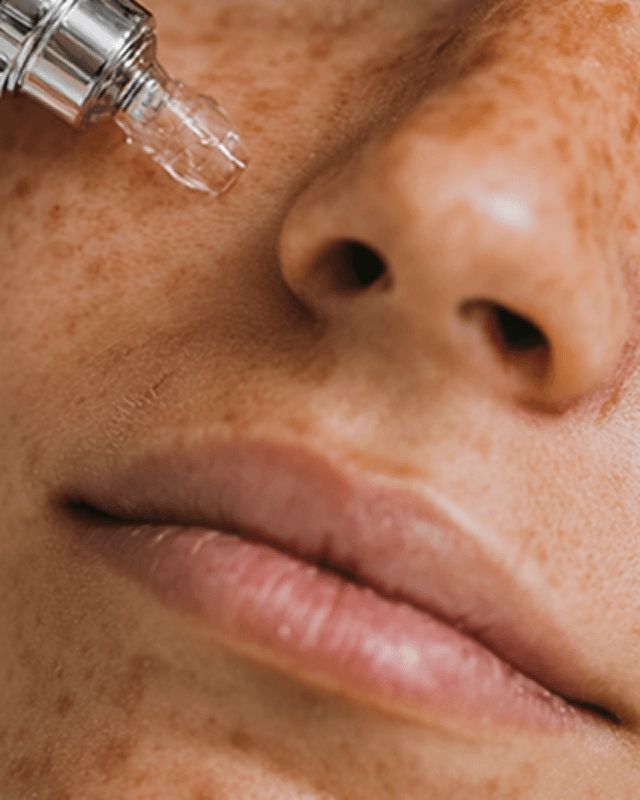
Before hyfrecation treatment, people typically have various benign skin lesions causing cosmetic concern or physical irritation including skin tags, which appear as small, soft, flesh-coloured or darker growths often on neck, underarms or eyelids; seborrheic keratoses, showing as raised, waxy, brown or tan growths often mistaken for warts; cherry angiomas, presenting as small, bright red dome-shaped spots; milia, appearing as tiny white bumps typically around the eyes; warts or verrucae; spider naevi with small red spots and radiating vessels; or other small benign growths. These lesions often catch on clothing or jewelry, cause self-consciousness about appearance, multiply or grow over time, and create concern despite being medically harmless. After hyfrecation treatment and complete healing, typically assessed 3 to 6 weeks post-treatment, most people experience excellent cosmetic outcomes. Common results include complete removal of the treated lesion with clear, smooth skin; minimal to no visible scarring for appropriately treated small lesions; resolved irritation from lesions that previously caught on clothing; improved confidence about appearance; and satisfaction with quick, effective removal. The degree of improvement is typically dramatic for small benign lesions, with complete removal being the expected outcome. The healing process follows a predictable pattern: immediately after treatment, the lesion appears white, grey or charred with surrounding redness; days 1 to 3 show scab or crust formation over the treated site; days 3 to 7 see the scab drying and contracting while surrounding redness fades; days 7 to 14 have the scab separating naturally, revealing pink new skin; and weeks 2 to 4 show progressive fading of redness to normal skin colour with final healing completing. During healing, the area may look worse before it looks better, which is normal. The scab stage can be cosmetically noticeable but is temporary. It is crucial not to pick or remove scabs prematurely, as this significantly increases scarring risk. Final cosmetic results depend on the size and type of lesion treated, with small lesions typically healing with virtually invisible results while larger lesions may leave small flat marks; individual healing capacity and skin type; adherence to aftercare including avoiding sun exposure and not picking at scabs; and practitioner skill and appropriate treatment technique. For most appropriately selected lesions, before and after comparisons show dramatic improvement from visible, bothersome lesion to clear, smooth skin with minimal evidence of treatment. Skin tags typically leave no visible mark after healing; cherry angiomas usually heal with excellent cosmetic outcome; seborrheic keratoses may leave slight textural change but are greatly improved; and milia typically heal invisibly. Your practitioner should document lesions with photos before treatment and may take follow-up photos to demonstrate results. Most people are extremely satisfied with hyfrecation results for appropriate benign lesions, finding that quick, minor treatment provides significant cosmetic improvement and relief from irritating growths. The combination of effective lesion removal, minimal procedure time, quick healing and excellent cosmetic outcomes makes hyfrecation a valuable treatment for various small benign skin lesions. However, it is essential that all lesions are properly assessed before treatment to confirm they are benign and appropriate for destruction rather than excision and pathological examination.