

hifu
Featherstone

Hifu in Featherstone

Book from 7+ сlinics near you
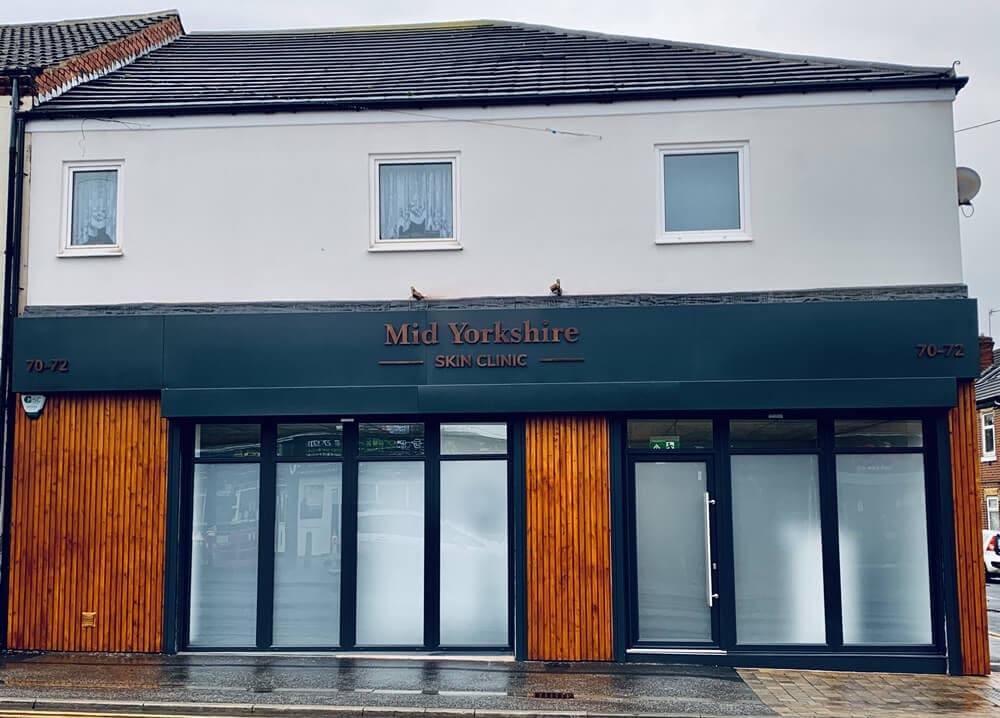
Mid Yorkshire Skin Clinic
star
5.0
(48 reviews)
£££
WF7 5BB, 70-72 Station Lane, FeatherstoneWF7 5BB, 70-72 Station Lane, Featherstone
Get directionsGet directions to Mid Yorkshire Skin Clinic
Amazing as always.  The clinicians at mid Yorkshire skin clinic are the best of the best. From start to finish their skills and knowledge shine through.  Ive been getting the best advice and treatment for my skin for 10 years now from them . The clinic is spotless and no one will recommend anything they dont believe you need .
I wouldn't trust anyone else . Thank you all.

Amazing as always. The clinicians at mid Yorkshire skin clinic are the best of the best. From start to finish their skills and knowledge shine through. Ive been getting the best advice and treatment for my skin for 10 years now from them . The clinic is spotless and no one will recommend anything they dont believe you need . I wouldn't trust anyone else . Thank you all.

Neck — Single treatment

£195
Get recommendation

Too Many Options?

Get free advice from our team — we'll help you find the perfect match.

Free consultation
Too Many Options?
Elevate Medical Aesthetics
star
5.0
(112 reviews)
£££
WF1 3QA, 20 Saint John's North, WakefieldWF1 3QA, 20 Saint John's North, Wakefield
Get directionsGet directions to Elevate Medical Aesthetics
I had a great experience with Dr Nick. The clinic is clean and welcoming, and he really takes the time to make you feel comfortable. I had Lumi Eyes done with minimal pain, and his hygiene and professionalism were excellent. He answered all of my questions in detail and only recommended what was needed - no pressure or upselling. Highly recommend!

I had a great experience with Dr Nick. The clinic is clean and welcoming, and he really takes the time to make you feel comfortable. I had Lumi Eyes done with minimal pain, and his hygiene and professionalism were excellent. He answered all of my questions in detail Read more

Morpheus8 Skin Tightening - Eye Rejuvenation - 1 Treatment

£300
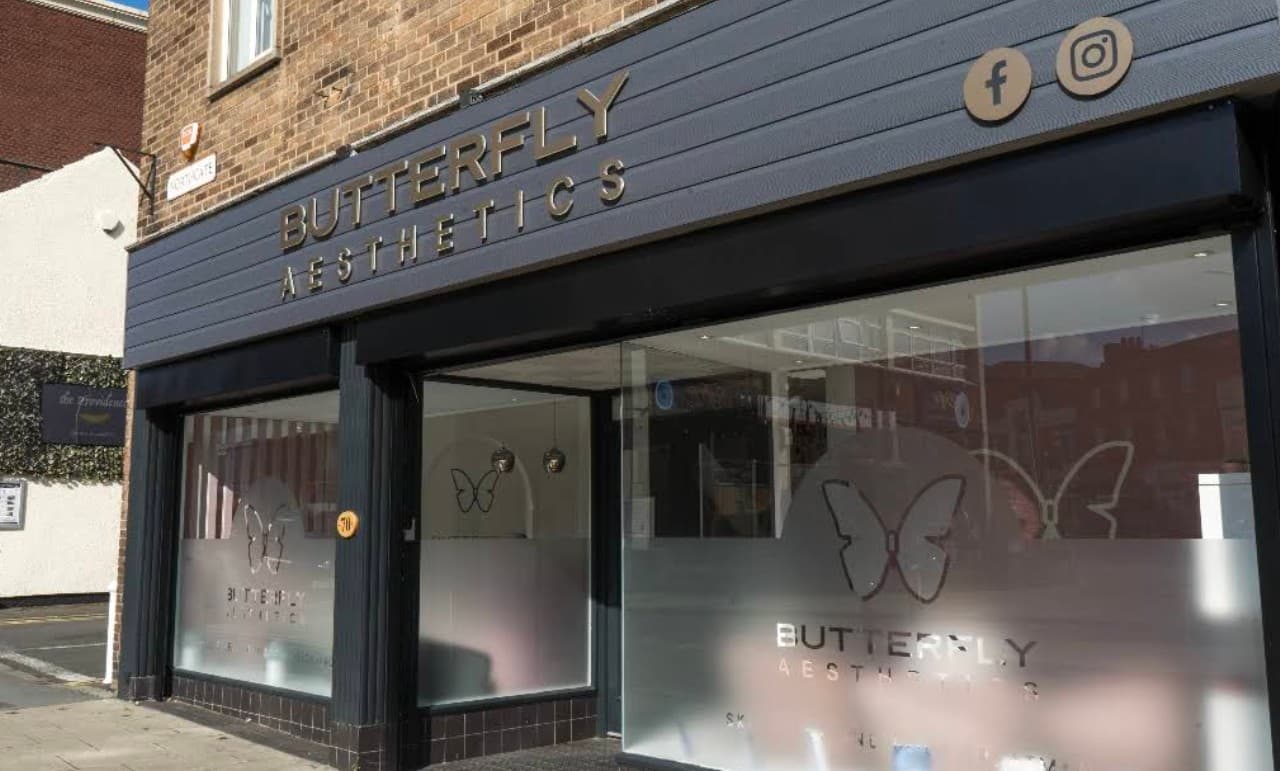
Butterfly Aesthetics
star
4.9
(302 reviews)
£££
WF1 3AP, 70 Northgate, WakefieldWF1 3AP, 70 Northgate, Wakefield
Get directionsGet directions to Butterfly Aesthetics
I have visited Claire for lip fillers for years now, and I couldn’t be happier with the experience and results! From the moment I walked in, the atmosphere was warm, welcoming, and professional. Claire made me feel completely at ease. she took the time to listen to what I wanted, answered all my questions, and explained the entire process thoroughly.

I have visited Claire for lip fillers for years now, and I couldn’t be happier with the experience and results! From the moment I walked in, the atmosphere was warm, welcoming, and professional. Claire made me feel completely at ease. she took the time to listen to what Read more

PER TREATMENT

£250
Image placeholder
star
5.0
(147 reviews)
£££
S71 1HF, 81 Pontefract Road, BarnsleyS71 1HF, 81 Pontefract Road, Barnsley
Get directionsGet directions to Cliniva Medispa
It’s always a pleasure to visit the Cliniva Medispa clinic.
The quality and standard of client care, professionalism and treatments is outstanding.
Thank you Jacqueline and your team! 🙏🏻☺️

It’s always a pleasure to visit the Cliniva Medispa clinic. The quality and standard of client care, professionalism and treatments is outstanding. Thank you Jacqueline and your team! 🙏🏻☺️

Neck (One Treatment)

£150

Neck (Course Of 6 Treatments)

£750
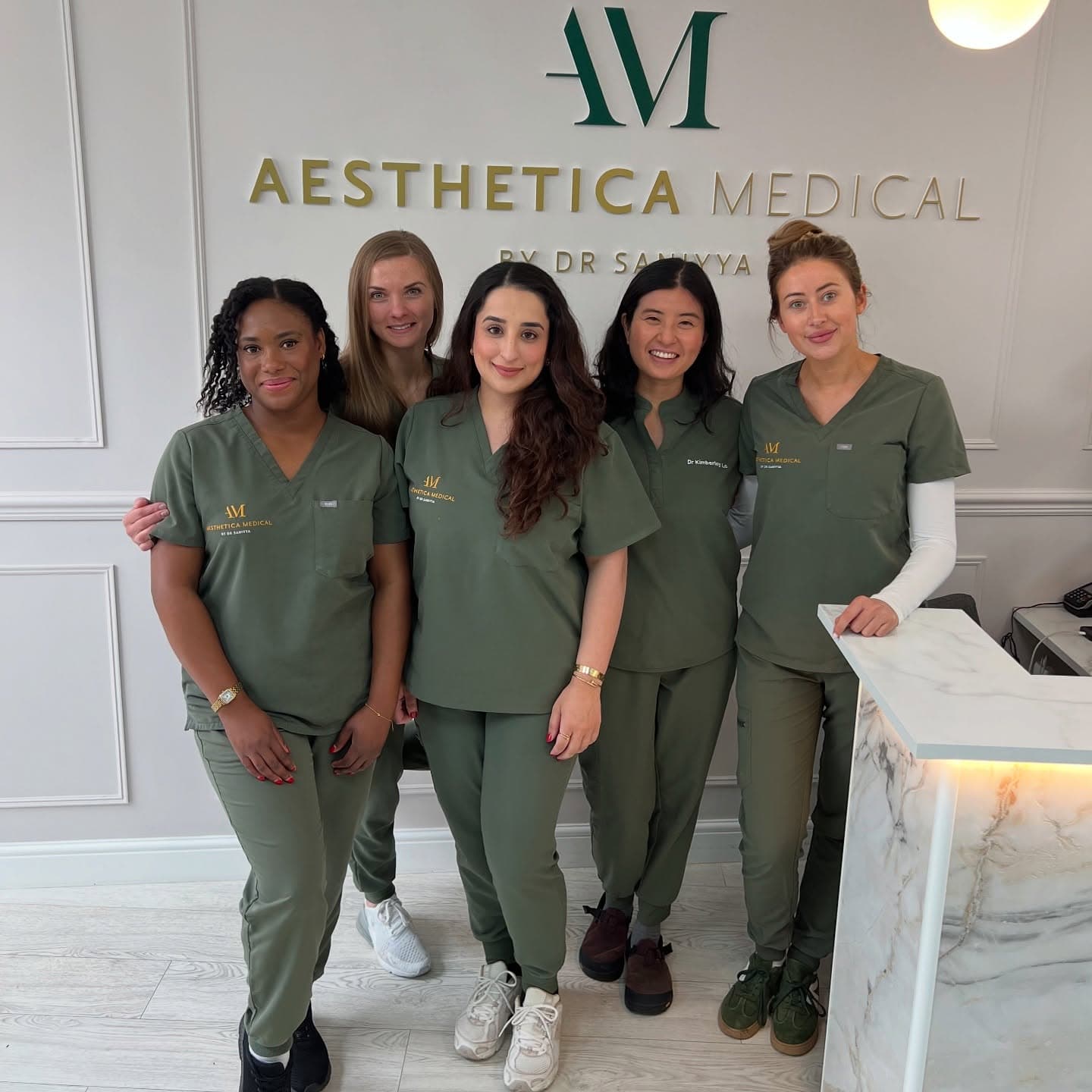
Aesthetica Medical – Aesthetic & Skin Clinic Leeds
star
4.9
(281 reviews)
£££
LS9 8DA, East Street, LeedsLS9 8DA, East Street, Leeds
Get directionsGet directions to Aesthetica Medical – Aesthetic & Skin Clinic Leeds
Dr Saniyya was amazing! She gave a very thorough consultation before my appointment and walked me through step by step of my treatment.

I would 100% recommend Aesthetica medical!

Dr Saniyya was amazing! She gave a very thorough consultation before my appointment and walked me through step by step of my treatment. I would 100% recommend Aesthetica medical!

NuEra (Neck) — Single

£100

NuEra (Neck) — Course of 6

£500
Kirei Clinic
star
4.9
(145 reviews)
£££
LS1 2RU, 7 Park Place, LeedsLS1 2RU, 7 Park Place, Leeds
Get directionsGet directions to Kirei Clinic
I visited Dr Mei for HIFU to treat the lower face and jowl region. I can honestly say it the experience from consultation, treatment through to results has been amazing.

2 months on from my treatment and I can see a massive difference and reduction in jowls!

I can’t recommend Dr Mei enough 🥰

I visited Dr Mei for HIFU to treat the lower face and jowl region. I can honestly say it the experience from consultation, treatment through to results has been amazing. 2 months on from my treatment and I can see a massive difference and reduction in jowls! I Read more

Full Face (With Skin Therapist)

£850

Jawline contour (With Dr Mei)

£895

Jawline contour (With Skin Therapist)

£750
True You Skin Clinics - Morley
star
5.0
(97 reviews)
£££
LS27 9DG, 4 Queen Street, MorleyLS27 9DG, 4 Queen Street, Morley
Get directionsGet directions to True You Skin Clinics - Morley
I have been a client of True You Skin for years. I will never change. They are knowledgeable, helpful and supportive of the choices I make. Brilliant team, fabulous service!

I have been a client of True You Skin for years. I will never change. They are knowledgeable, helpful and supportive of the choices I make. Brilliant team, fabulous service!

HIFU - Jawline

£275

Jawline – 30 mins

£275

Full Face – 60mins

£600
New to HIFU?

New to HIFU?

Learn what this treatment is and how it works.

Explore Guides
About Hifu

About Hifu

If you're looking for Hifu in Featherstone, MARBL makes it easy to compare medical-led clinics in one place. You can compare 7+ clinics for Hifu in Featherstone side by side. Prices typically range from around £100 to £895, depending on the clinic, treatment area and number of sessions. All clinics on MARBL are medical-led and carefully vetted – we list only around 10% of clinics in the UK that meet our safety and quality standards. Browse verified reviews and book your appointment online in just a few clicks.

HIFU treatments use high-intensity focused ultrasound energy to lift and tighten skin at deep foundational layers without surgery or downtime. These advanced procedures target the same tissue layers addressed in surgical facelifts, stimulating collagen production and tissue contraction for natural lifting. The non-invasive treatments address skin laxity on the face, neck, and décolletage, offering both immediate tightening and progressive lifting over 2-3 months of collagen regeneration.

Clinics on MARBL offering hifu are carefully vetted for skin treatment expertise, safety protocols, and comprehensive rejuvenation capabilities. Treatments are performed by trained skin specialists with expertise in advanced treatment protocols, skin assessment, and comprehensive rejuvenation approaches. On each clinic page, you'll find detailed information about practitioner qualifications, treatment approaches, and guidance on achieving optimal results through professional care and comprehensive treatment support.

Sessions typically take 60-90 minutes depending on areas treated, with initial results visible within 2-4 weeks and optimal lifting achieved over 2-3 months. MARBL gives you everything you need to book confidently: transparent pricing, real-time availability, verified reviews, and certified hifu specialists near you.
Aesthetic treatments similar to HIFU that may interest you

other popular treatments

Anti-Wrinkle Injections

Anti-Wrinkle Injections

£30-£566
Book Now
Laser Hair Removal

Laser Hair Removal

£25-£725
Book Now
Lip Filler

Lip Filler

£120-£600
Book Now
Dermal Fillers

Dermal Fillers

£41-£550
Book Now
Profhilo

Profhilo

£250-£760
Book Now
Chemical Peels

Chemical Peels

£50-£1,520
Book Now
HydraFacial

HydraFacial

£70-£325
Book Now
Microneedling

Microneedling

£150-£1,488
Book Now

FAQs

HIFU (High-Intensity Focused Ultrasound) is a non-invasive cosmetic treatment that uses focused ultrasound energy to heat tissue deep beneath the skin's surface, stimulating collagen production and resulting in skin tightening and lifting without surgery or injections. Often referred to as a 'non-surgical facelift', HIFU has become increasingly popular for those seeking facial rejuvenation without the commitment, cost or downtime of surgical procedures. How HIFU works involves delivering focused ultrasound energy to precise depths in the skin; the energy creates thermal coagulation points at specific depths; this triggers the body's natural healing response; new collagen and elastin are produced over the following months; and the result is tightening, lifting and improved skin quality. Treatment depths typically include 1.5mm for superficial skin tightening; 3.0mm for deeper dermal effects; 4.5mm targeting the SMAS layer (the same layer addressed in surgical facelifts); and some devices offering additional depths for customisation. HIFU can effectively treat mild to moderate skin laxity on the face and neck; sagging jowls and loss of jawline definition; brow drooping and forehead laxity; nasolabial folds and marionette lines; neck laxity and the appearance of bands; décolletage wrinkles and crepiness; and overall facial contours requiring subtle lifting. The treatment is performed as a single session typically lasting 30 to 90 minutes depending on areas treated, requires no anaesthesia though numbing cream may be applied, involves no incisions or needles, and allows immediate return to normal activities with minimal to no downtime.

In Featherstone, the price of HIFU typically ranges from around £195 to £195, but individual clinics may charge more or less. Local costs vary with the area treated, the specific HIFU device or technology used, and the number of sessions needed, and can reflect practitioner experience and clinic facilities. When checking how much HIFU costs in Featherstone or comparing the price of HIFU locally, remember treatment plans are personalised and may affect the final cost. You can find the exact, up-to-date price for this treatment in the catalogue

Yes, HIFU works effectively for mild to moderate skin laxity, providing measurable lifting and tightening effects, though results are more subtle than surgical facelifts and work best for appropriate candidates with realistic expectations. Clinical evidence and patient outcomes support its effectiveness for non-surgical skin rejuvenation. Clinical evidence supporting HIFU effectiveness includes FDA clearance for brow lifting and improving lines and wrinkles; peer-reviewed studies demonstrating measurable lifting of skin; histological evidence showing new collagen formation; patient satisfaction rates of 70% to 90% in studies; and proven mechanism of action through thermal injury and healing response. What HIFU effectively treats includes mild to moderate brow ptosis with lifting of 1 to 3mm typically; improvement in jowls and jawline definition; reduction in nasolabial folds and facial lines; neck tightening for mild laxity; and overall facial skin quality improvement. Measurable results show approximately 1 to 3mm of brow lift in clinical studies; visible reduction in facial and neck laxity; improved skin texture and quality; and more defined facial contours, though improvements are subtle rather than dramatic. Factors affecting how well HIFU works for you include the degree of skin laxity, with mild to moderate responding best; age and skin quality, with younger skin often responding better; individual collagen production capacity; adherence to post-treatment care; and realistic expectations about subtle improvement. Limitations of HIFU effectiveness show it cannot replicate surgical facelift results; severe laxity requires surgical intervention; results are gradual, developing over 2 to 6 months; and some people respond better than others. For appropriate candidates seeking non-surgical improvement in mild to moderate laxity, HIFU provides real, measurable results that most people find satisfying when expectations are realistic.

HIFU works by delivering focused ultrasound energy to precise depths beneath the skin's surface, creating controlled thermal injury that triggers the body's natural healing response and stimulates new collagen and elastin production, resulting in skin tightening and lifting over time. The technology and mechanism involve a HIFU device generating high-intensity focused ultrasound waves; these waves pass through the skin surface without damage; energy converges at a specific focal point deep in the tissue; at the focal point, temperatures reach 60 to 70°C causing thermal coagulation; and this creates tiny zones of thermal injury that stimulate healing. The biological response to thermal injury shows that damaged tissue triggers wound healing cascades; fibroblasts are activated and migrate to injury sites; new collagen and elastin synthesis begins immediately; tissue remodelling continues for months; and the result is new, denser collagen providing tightening and lift. The depth targeting is crucial, with superficial layers (1.5mm) targeting the papillary dermis for fine lines; mid-depth (3.0mm) treating the deeper dermis; and deep targeting (4.5mm) reaching the SMAS layer, the same fibromuscular layer addressed in surgical facelifts. This multi-layered approach creates comprehensive tightening from deep structure to skin surface. The timeline of collagen production shows immediate collagen contraction from thermal effects providing some tightening; neocollagenesis (new collagen formation) beginning within days; continued production over 2 to 3 months; and remodelling continuing for up to 6 months post-treatment. HIFU differs from other treatments because radiofrequency heats tissue volumetrically throughout the treated area while HIFU focuses energy at precise depths; lasers work on the skin surface or superficially while HIFU targets deep tissue; and thread lifts provide mechanical lifting while HIFU relies on biological collagen stimulation. The focused ultrasound technology allows treatment of deep tissue without affecting the skin surface, making it unique among non-invasive skin tightening options.

HIFU results typically last 12 to 18 months, with some people maintaining benefits for up to 2 years, depending on individual factors including age, skin quality, lifestyle and the natural ageing process. The treatment stimulates genuine new collagen production that persists, though natural ageing continues. The results timeline shows that initial subtle tightening is visible immediately from collagen contraction; progressive improvement develops over 2 to 6 months as new collagen forms; optimal results are typically visible at 3 to 6 months post-treatment; results are maintained well through months 6 to 12; gradual softening begins after 12 to 18 months; and most people consider maintenance treatment at 12 to 24 months. Why results are long-lasting relates to HIFU stimulating genuine new collagen and elastin production; the new structural proteins becoming part of your tissue; effects not being temporary surface treatments; and biological improvements persisting until natural ageing diminishes them. Factors affecting how long HIFU lasts include your age and natural collagen production capacity, with younger people often having more robust response; baseline skin quality and laxity; lifestyle factors including sun exposure, smoking and skincare; genetics affecting how your skin ages; overall health and nutritional status; and whether you maintain healthy habits supporting skin. To maximise longevity of HIFU results, protect skin with daily SPF 50+ sunscreen preventing UV damage; maintain healthy lifestyle supporting collagen; avoid smoking which accelerates collagen breakdown; use quality skincare including retinoids and peptides; stay hydrated and eat protein-rich diet; manage stress affecting skin health; and consider maintenance treatments before results significantly fade. Maintenance protocols typically involve single treatments every 12 to 24 months; some people finding 18 months optimal; and treating before full regression maintains better baseline. Compared to other treatments, HIFU lasts longer than Botox (3 to 4 months) and some fillers (6 to 12 months), similar to some longer-lasting fillers (12 to 18 months), but shorter than surgical facelift (5 to 10+ years), making it a good middle ground for those wanting more than temporary treatments but avoiding surgery.

HIFU causes discomfort during treatment, with most people rating pain as 4 to 7 out of 10, though pain levels vary significantly depending on individual pain tolerance, treatment settings and areas being treated. The discomfort is temporary, lasting only during the procedure, and is generally considered tolerable for the results achieved. What HIFU discomfort feels like includes a prickling or tingling sensation as energy is delivered; deep heating or warmth in the tissue; sharp, brief zaps or pulses with each shot; aching sensation in the jaw or teeth when treating lower face; and overall discomfort rather than severe pain. Pain variation by treatment area shows the bony areas like jawline and forehead often being more uncomfortable; areas with less fat like the neck potentially causing more discomfort; fatty areas typically being more comfortable; and the lower face near teeth potentially causing referred aching. Factors affecting pain include individual pain tolerance varying widely; the treatment settings and energy levels used; the specific device and technology; areas being treated; and your anxiety level, as tension increases perceived pain. Pain management options include topical numbing cream applied 30 to 60 minutes before treatment reducing surface sensitivity; oral pain relief like paracetamol or ibuprofen taken beforehand; frequent breaks during treatment allowing recovery; cold air or cooling devices on some machines providing distraction; and focusing on breathing and relaxation techniques. What to expect during treatment shows each pulse lasting a fraction of a second; discomfort coming in waves with treatment; breaks between sections providing relief; most people finding it tolerable despite discomfort; and pain stopping immediately when treatment ends. After treatment, mild tenderness or sensitivity may persist for hours to a few days; any discomfort is typically manageable with over-the-counter pain relief; and recovery is generally comfortable. Most people find HIFU discomfort acceptable given the non-invasive nature and results, often comparing it favourably to the discomfort and recovery of surgical alternatives.

Yes, HIFU does hurt to varying degrees during treatment, with discomfort being one of the main drawbacks of the procedure. However, the pain is temporary, manageable and considered worthwhile by most people who achieve good results. Understanding what to expect helps prepare mentally and physically. The reality of HIFU discomfort shows it is not a pain-free treatment; most people experience noticeable discomfort; some areas hurt more than others; pain levels vary between individuals; but the discomfort is temporary, lasting only during treatment; and most people tolerate it well. Types of sensation during HIFU include sharp zaps or stings as each ultrasound pulse fires; deep aching sensation, particularly in bony areas; tingling or prickling feelings; warmth or heat in the tissue; and referred pain in teeth or jaw when treating lower face. Comparing HIFU pain to other treatments shows it is generally more uncomfortable than laser treatments or IPL; similar to or more uncomfortable than RF microneedling; less painful than fully ablative laser resurfacing; and far less than surgical procedures with recovery pain. Managing HIFU discomfort effectively involves requesting topical numbing cream before treatment; taking oral pain relief 30 to 60 minutes beforehand; communicating with your practitioner about pain levels; asking for breaks when needed; using breathing techniques and distraction; and remembering the discomfort is temporary. What makes the pain worth it for most people includes the non-invasive nature avoiding surgery; no downtime or recovery period; no needles or injections required; single treatment providing months of results; and visible improvement in skin laxity. Honest expectations about pain show HIFU is not comfortable or painless; you will likely experience discomfort; but most people find it tolerable; the pain stops immediately after treatment; and the temporary discomfort is acceptable for the benefits gained. If you have very low pain tolerance or extreme anxiety about discomfort, HIFU may be challenging, and discussing alternatives or additional pain management options with your practitioner is important.

Yes, HIFU is generally considered safe when performed by qualified practitioners using appropriate devices and settings. The treatment has an established safety record with millions of procedures performed worldwide, though as with any medical procedure, potential risks and side effects exist. The safety profile of HIFU includes FDA clearance for cosmetic use demonstrating safety; extensive clinical use showing good safety record; non-invasive nature with no incisions or injections; no downtime required; and serious complications being rare with proper technique. Common temporary side effects include redness lasting a few hours to days; mild swelling, particularly in treated areas; slight bruising, though uncommon; temporary numbness or tingling; tenderness or sensitivity; and these typically resolve within days. Potential risks and complications, though uncommon, include nerve damage causing temporary or rarely permanent numbness or weakness; burns if settings are too aggressive for skin type; welts or striping from overlapping treatment; asymmetry from uneven treatment; prolonged numbness or altered sensation; and fat loss in treated areas potentially causing hollowing in some cases. Contraindications for HIFU include open wounds or infections in treatment areas; severe or cystic acne; metal implants or electrical devices in the face or neck; pregnancy and breastfeeding; skin cancer or history of keloid scarring; and certain medical conditions requiring clearance. Safety depends on practitioner expertise and proper training in HIFU; appropriate patient selection for the treatment; correct device settings for individual needs; thorough consultation and medical history; and proper aftercare instructions. To ensure safety, choose qualified, experienced practitioners; verify they use reputable HIFU devices; ensure thorough consultation and assessment; disclose complete medical history; and follow all pre and post-treatment instructions. When performed appropriately by qualified professionals, HIFU has an excellent safety profile, though choosing your practitioner carefully is essential as improper treatment can cause complications.

Whether HIFU is worth it depends on your specific concerns, expectations, budget and willingness to tolerate discomfort for non-surgical results. For appropriate candidates with realistic expectations, HIFU provides meaningful improvement in mild to moderate skin laxity without surgery or significant downtime. HIFU is worth considering if you have mild to moderate skin laxity that would benefit from lifting; you want to avoid surgery, injections and significant downtime; you can afford the investment, typically £800 to £2,500 for facial treatment; you accept gradual results developing over months rather than immediate change; you have realistic expectations about subtle improvement not transformation; and you can tolerate discomfort during the procedure. Advantages making HIFU worthwhile include non-invasive treatment with no incisions or needles; minimal to no downtime allowing immediate return to activities; single treatment providing results lasting 12 to 18+ months; proven mechanism of action stimulating real collagen; suitability for those not ready for surgery; and FDA-cleared technology with established safety. HIFU may not be worth it if you have severe laxity that truly requires surgery; you expect dramatic transformation from non-surgical treatment; budget is limited and investment is prohibitive; you have very low pain tolerance; you want immediate results rather than waiting months; or you have minimal laxity and would benefit more from prevention. Cost-benefit considerations show upfront costs of £800 to £2,500 typically; longer-lasting results than Botox or some fillers; less expensive than surgical facelift; but may require retreatment every 12 to 24 months; and cumulative costs over years should be considered. Comparing HIFU to alternatives shows thread lifts provide mechanical lifting with similar duration; radiofrequency treatments offer alternative energy-based tightening; surgical facelift provides dramatic, long-lasting results but with significant cost, downtime and risk; and combining treatments may provide better comprehensive results. Most satisfied HIFU patients are those with mild to moderate laxity and realistic expectations; willing to invest for non-surgical improvement; able to tolerate discomfort for the benefits; and valuing natural-looking subtle enhancement over dramatic change. For appropriate candidates, HIFU provides meaningful, worthwhile improvement without surgical intervention.

Before HIFU treatment, people typically have mild to moderate skin laxity affecting facial contours; sagging jowls and loss of jawline definition; brow drooping making eyes appear hooded or tired; neck laxity with visible bands or crepiness; nasolabial folds and marionette lines deepening; overall loss of facial firmness and definition; and aged appearance disproportionate to how they feel. These concerns prompt people to seek non-surgical lifting and tightening without the commitment of surgery. After HIFU treatment, once results have fully developed (typically 3 to 6 months post-treatment), most appropriate candidates experience noticeable improvement. Common results include lifted, more defined brow position; improved jawline contour with reduced jowling; tightened neck skin with reduced laxity; softened nasolabial folds and facial lines; overall improved facial contours and definition; firmer, more youthful skin quality; and subtle but meaningful rejuvenation. The results timeline shows immediate subtle tightening from collagen contraction visible within days; during weeks 2 to 8, early improvement becoming noticeable as inflammation resolves; during months 2 to 4, progressive enhancement as new collagen forms; during months 3 to 6, optimal results visible as collagen remodelling completes; and results maintained for 12 to 18+ months. The degree of improvement depends on your baseline skin laxity and degree of ageing; age and natural collagen production capacity; individual response to treatment; treatment settings and technique used; single versus multiple treatment areas; and realistic expectations about subtle improvement. Measurable improvements from HIFU include brow lift of 1 to 3mm typically in clinical studies; visible reduction in jowling and improved jawline; tightened neck appearance; and more defined facial contours, though changes are subtle rather than dramatic. Before and after expectations should be realistic: HIFU provides subtle to moderate improvement, not dramatic transformation; results develop gradually over 2 to 6 months, not immediately; the treatment addresses mild to moderate laxity, not severe sagging; effects are natural-looking enhancement rather than obvious change; and maintenance treatments are needed every 12 to 24 months. Most satisfied HIFU patients are those prepared for gradual improvement, realistic about non-surgical limitations, appreciative of subtle enhancement, committed to maintaining results, and valuing natural-looking rejuvenation without surgery, downtime or significant investment in multiple treatments.