



glutathione drip
Cheadle

Glutathione drip in Cheadle

Book from 4+ сlinics near you
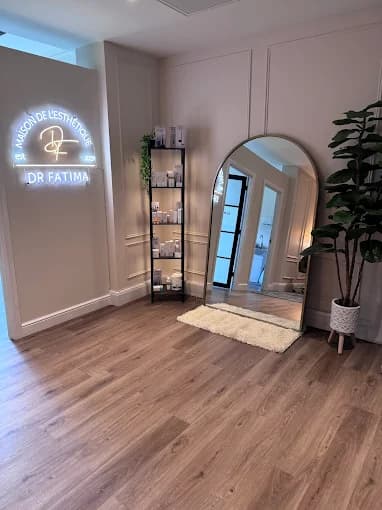
Maison De L’esthétique - Dr Fatima
star
5.0
(12 reviews)
£££
SK8 3FS, CheadleSK8 3FS, Cheadle
Get directionsGet directions to Maison De L’esthétique - Dr Fatima
⭐️⭐️⭐️⭐️⭐️
“I’m so happy to found Dr.Fatimah.  She is extremely professional, knowledgeable and always makes me feel comfortable at every appointment. She listens carefully, explains all options clearly, and always gives the right advice for the best results. Her friendly and caring approach instantly puts you at ease, and her work is absolutely flawless. I’m so grateful to have such an amazing aesthetic doctor!”

⭐️⭐️⭐️⭐️⭐️ “I’m so happy to found Dr.Fatimah. She is extremely professional, knowledgeable and always makes me feel comfortable at every appointment. She listens carefully, explains all options clearly, and always gives the right advice for the best results. Her friendly and caring approach instantly puts you at ease, and her work is absolutely flawless. I’m so grateful to have such an amazing aesthetic doctor!”

Glutathione IV push

£200
Get recommendation

Too Many Options?

Get free advice from our team — we'll help you find the perfect match.

Free consultation
Too Many Options?
SEPTRE CLINICALS
star
5.0
(1 Review)
£££
Verified Partner
Verified Partner
M20 6UR, 115A Lapwing Lane, ManchesterM20 6UR, 115A Lapwing Lane, Manchester
Get directionsGet directions to SEPTRE CLINICALS
I had Botox done at Septer Clinical back in May and I’m really happy with the results — it still looks great months later! I was quite nervous beforehand as I’m scared of needles, but the practitioner was incredibly patient, gentle, and reassuring throughout the whole process. The results look natural and gave me a real confidence boost. I’d definitely recommend Septer Clinical to anyone considering aesthetic treatments.

I had Botox done at Septer Clinical back in May and I’m really happy with the results — it still looks great months later! I was quite nervous beforehand as I’m scared of needles, but the practitioner was incredibly patient, gentle, and reassuring throughout the whole process. The Read more

Glutathione Injection

£95
The Medika Clinic
star
4.6
(75 reviews)
£££
M3 3AT, 3 Hardman St, ManchesterM3 3AT, 3 Hardman St, Manchester
Get directionsGet directions to The Medika Clinic
The service in Medika is consistently excellent! After my first microneedling session with Rocio, I’m noticing a significant improvement in my skin - it looks more rejuvenated and refreshed. Looking forward to future sessions!

The service in Medika is consistently excellent! After my first microneedling session with Rocio, I’m noticing a significant improvement in my skin - it looks more rejuvenated and refreshed. Looking forward to future sessions!

IV Vitamin Drip - Skin brightener

£345
Image placeholder
star
5.0
(11 reviews)
£££
M7 4ST, 19 Marlborough Road, ManchesterM7 4ST, 19 Marlborough Road, Manchester
Get directionsGet directions to DermaCeutical Skin and Laser Clinic
Brilliant Clinic, great service, very professional and welcoming Doctor and staff, lovely spotless premises.  Really happy with my treatments, would highly recommend.

Brilliant Clinic, great service, very professional and welcoming Doctor and staff, lovely spotless premises. Really happy with my treatments, would highly recommend.

Skin Brightening Glutathione 600mg + Vitamin C — Per treatment

£160-£700
New to Glutathione Drip?

New to Glutathione Drip?

Learn what this treatment is and how it works.

Explore Guides
About Glutathione drip

About Glutathione drip

If you're looking for Glutathione drip in Cheadle, MARBL makes it easy to compare medical-led clinics in one place. You can compare 4+ clinics for Glutathione drip in Cheadle side by side. Prices typically range from around £95 to £345, depending on the clinic, treatment area and number of sessions. All clinics on MARBL are medical-led and carefully vetted – we list only around 10% of clinics in the UK that meet our safety and quality standards. Browse verified reviews and book your appointment online in just a few clicks.

Glutathione drip treatments deliver high-dose antioxidant therapy through intravenous infusion to support detoxification, enhance skin brightness, and provide cellular protection. These wellness procedures provide concentrated glutathione (the body's master antioxidant) directly into the bloodstream for maximum absorption and effectiveness. The treatments offer both immediate and cumulative benefits through enhanced antioxidant protection, improved skin luminosity, and comprehensive cellular support.

Clinics on MARBL offering glutathione drip are carefully vetted for IV therapy protocols, ingredient quality, and comprehensive wellness support. Treatments are performed by certified IV therapy specialists with training in nutrition, wellness protocols, and safe infusion techniques. On each clinic page, you'll find detailed information about practitioner qualifications, treatment approaches, and guidance on achieving optimal results through professional care and comprehensive treatment support.

Sessions typically take 30-60 minutes for IV infusion, with some immediate antioxidant benefits and cumulative skin brightening visible over regular treatment series. MARBL gives you everything you need to book confidently: transparent pricing, real-time availability, verified reviews, and certified glutathione drip specialists near you.
Aesthetic treatments similar to Glutathione Drip that may interest you

other popular treatments

Anti-Wrinkle Injections

Anti-Wrinkle Injections

£30-£566
Book Now
Laser Hair Removal

Laser Hair Removal

£25-£725
Book Now
Lip Filler

Lip Filler

£120-£600
Book Now
Dermal Fillers

Dermal Fillers

£41-£550
Book Now
Chemical Peels

Chemical Peels

£50-£1,520
Book Now
Microneedling

Microneedling

£150-£1,488
Book Now
Skin Boosters

Skin Boosters

£149-£600
Book Now
PRP / PRF Therapy

PRP / PRF Therapy

£100-£795
Book Now

FAQs

A glutathione drip, also called glutathione IV therapy, is an intravenous treatment that delivers glutathione, a powerful antioxidant naturally produced by the body, directly into the bloodstream. The treatment has become popular in wellness and aesthetic medicine, with proponents claiming benefits for skin brightening, detoxification, immune support and overall health, though scientific evidence supporting many of these claims is limited. Glutathione itself is a tripeptide composed of three amino acids: cysteine, glycine and glutamic acid; it is naturally produced by the liver; it acts as a master antioxidant protecting cells from oxidative stress; it is involved in detoxification processes; and it plays roles in immune function and cellular health. The IV administration involves glutathione being diluted in saline solution; delivered intravenously over 15 to 30 minutes; bypassing the digestive system for direct blood delivery; and typically administered in a series of sessions. Claimed benefits of glutathione drips include skin lightening and brightening effects; antioxidant protection against free radicals; detoxification support; immune system enhancement; anti-ageing effects; and improved overall wellness. However, it is crucial to understand that scientific evidence supporting these benefits is limited; many claims are based on theoretical mechanisms rather than clinical trials; the treatment is not FDA approved for cosmetic purposes; regulatory status varies by country; and potential risks and side effects exist. Glutathione drips are offered in wellness clinics, aesthetic practices and medical spas, though availability and regulation differ significantly between countries.

Costs can vary between clinics in Cheadle depending on dosage, whether the infusion is combined with vitamins or additional therapies, the number of sessions and the practitioner’s experience. In Cheadle, the price of Glutathione Drip typically ranges from around £200 to £200, so if you’re checking how much Glutathione Drip costs in Cheadle expect differences between providers. Quality of the glutathione product, session duration, any required monitoring and the clinic’s facilities are common cost drivers. You can find the exact, up-to-date price for this treatment in the catalogue

IV glutathione drip is the intravenous administration of glutathione, an antioxidant compound, delivered directly into the bloodstream through an IV line. This delivery method bypasses the digestive system, theoretically allowing higher concentrations to reach the bloodstream compared to oral supplementation. The IV delivery method involves glutathione being mixed with sterile saline solution; administered through a small IV catheter inserted into a vein, typically in the arm; delivered slowly over 15 to 30 minutes; and the IV line being removed after the session completes. Why IV administration is used relates to glutathione being poorly absorbed when taken orally due to breakdown in the digestive system; IV delivery bypassing the gut and liver first-pass metabolism; theoretically achieving higher blood concentrations; and immediate systemic distribution. The typical treatment protocol involves initial loading phase with 1 to 2 sessions per week for 4 to 8 weeks; maintenance phase with sessions every 2 to 4 weeks; session duration of 15 to 30 minutes typically; and dosing ranging from 600mg to 2000mg per session depending on protocol. What happens during treatment shows you sitting or reclining comfortably; the IV being inserted and secured; the solution being infused over the session time; possible cold sensation in the arm; and removal of the IV after completion. Common additions to IV glutathione include vitamin C, which may enhance effects; B vitamins for energy support; and other antioxidants, though evidence for synergistic benefits is limited. While IV delivery achieves higher blood levels than oral routes, questions remain about how much reaches target tissues, how long elevated levels persist, and whether the increased bioavailability translates to meaningful clinical benefits for the various claims made about glutathione therapy.

Glutathione drips appear to have a reasonable safety profile for most people when administered properly in clinical settings, though they are not without potential risks and side effects. As with any IV therapy, proper medical oversight, sterile technique and appropriate patient selection are essential for safety. The general safety profile shows that serious adverse events are uncommon when properly administered; glutathione is a naturally occurring substance in the body; short-term use appears relatively safe for most people; and the treatment has been used clinically for certain medical conditions. Potential side effects and risks include injection site reactions such as pain, redness or swelling; allergic reactions ranging from mild rash to severe anaphylaxis, though rare; abdominal discomfort, cramping or bloating; flushing or skin redness during infusion; lowered zinc levels with long-term use; possible effects on thyroid function; Stevens-Johnson syndrome in very rare cases; and infection risk if sterile technique is not followed. Contraindications and cautions include pregnancy and breastfeeding, where safety is not established; asthma, as glutathione may trigger bronchospasm in susceptible individuals; those taking chemotherapy or radiation, as antioxidants may interfere; and people with certain medical conditions requiring medical clearance. Safety concerns specific to skin lightening include long-term effects of intentionally inhibiting melanin being unknown; potential systemic effects beyond skin; and ethical concerns about promoting skin lightening. To ensure safety, treatment should be provided in proper medical settings; practitioners should be qualified healthcare professionals; sterile technique must be maintained; medical history should be thoroughly reviewed; and monitoring for adverse reactions should occur. The lack of long-term safety data means potential effects of repeated, prolonged use are not well understood; most safety information comes from short-term medical use; and cosmetic use often involves higher or more frequent dosing than studied.

The effectiveness of glutathione drips is controversial, with limited robust scientific evidence supporting many of the cosmetic and wellness claims, though some people report subjective benefits. The answer depends significantly on what specific outcomes are being evaluated. Evidence for skin lightening shows some studies demonstrating mild lightening effects; the mechanism involves glutathione inhibiting tyrosinase, an enzyme involved in melanin production; effects are typically modest and gradual; individual response varies significantly; and long-term efficacy and safety data are limited. Evidence for other claimed benefits shows limited clinical trials supporting wellness claims; most evidence is anecdotal or theoretical; antioxidant effects in blood are demonstrated but clinical significance is unclear; detoxification claims lack robust scientific support; and immune benefits are not well-established through IV glutathione. What we know scientifically includes that IV glutathione does increase blood glutathione levels temporarily; the body already produces glutathione and regulates its levels; supplementing may not address the actual cause of low glutathione if present; and whether increased blood levels translate to cellular benefits in healthy individuals is questionable. Factors affecting whether it works for you include your baseline glutathione status; the specific outcomes you are seeking; individual metabolism and response; dosing and frequency; realistic expectations; and whether you have a genuine deficiency. Limitations of current evidence include most studies being small and of variable quality; lack of large, well-controlled trials; commercial interests potentially biasing some research; and long-term outcomes being unknown. The verdict on effectiveness shows some people report benefits, particularly for skin appearance; scientific evidence is insufficient for many claims; the placebo effect may contribute to perceived benefits; and the treatment is not a substitute for addressing underlying health issues or maintaining healthy lifestyle.

Glutathione drips may produce skin lightening effects in some people, though results are variable, modest and develop gradually over time. This is the most commonly promoted cosmetic benefit, but the evidence supporting effectiveness is limited and the practice raises medical and ethical concerns. The proposed mechanism for skin lightening involves glutathione inhibiting tyrosinase, the enzyme that produces melanin; reducing melanin synthesis in melanocytes; converting eumelanin (dark pigment) to pheomelanin (light pigment); and leading to gradual overall skin tone lightening. Evidence for skin lightening effects shows some clinical studies demonstrating mild lightening; results typically described as 1 to 2 shades lighter after several months; significant individual variation in response; effects being modest rather than dramatic; and limited long-term data on sustained effects. What to realistically expect includes very gradual lightening over weeks to months if it occurs; results varying significantly between individuals; some people seeing minimal or no effect; skin tone potentially returning to baseline after discontinuation; and effects being more noticeable in some areas than others. Important medical and ethical considerations include concerns about promoting skin lightening and colorism; the unknown long-term effects of deliberately inhibiting melanin production; potential health risks from reduced melanin protection; and the treatment not being FDA approved for skin lightening. Safety concerns specific to skin lightening use include melanin's protective role against UV damage being compromised; long-term effects of chronic glutathione use for this purpose being unknown; potential for increased sun damage risk; and the lack of regulation for cosmetic use. Alternative approaches to skin concerns include treating hyperpigmentation or uneven tone with evidence-based treatments; addressing underlying causes of pigmentation; using proven skincare ingredients; and accepting natural skin tone as healthy. If considering glutathione for skin lightening, understand that results are unpredictable and modest; long-term safety is unknown; it should not replace sun protection; medical supervision is essential; and examining motivations for wanting lighter skin is important.

The effects of a single glutathione drip are temporary, with elevated blood levels lasting only hours to days, while any visible effects on skin or wellness typically require ongoing regular treatments to maintain. Understanding that glutathione drips do not provide permanent effects is important for managing expectations. Blood level duration shows glutathione levels in the blood peaking during and immediately after infusion; elevated levels lasting several hours after treatment; levels returning toward baseline within 24 to 48 hours; and the body's natural regulation maintaining homeostasis. Visible effects duration, if they occur, shows that individual treatments produce no immediate visible change; cumulative effects developing over weeks to months of regular treatment; any skin lightening or other benefits requiring ongoing sessions to maintain; and effects gradually reversing when treatment is discontinued. The typical maintenance schedule involves initial loading phase with 1 to 2 sessions per week for 4 to 8 weeks; transition to maintenance phase with sessions every 2 to 4 weeks; ongoing treatment required to sustain any benefits; and individual protocols varying based on goals and response. Factors affecting how long effects last include your body's glutathione metabolism rate; the dose administered; frequency of treatments; individual response; lifestyle factors affecting antioxidant status; and whether you have underlying conditions affecting glutathione levels. Why effects are temporary relates to glutathione being continuously metabolised and used by the body; homeostatic mechanisms regulating glutathione levels; supplementation not changing your body's production or regulation; and the lack of sustained effects after discontinuation. For sustained results, ongoing regular treatments are necessary; many people continue indefinitely if seeking maintained effects; costs accumulate significantly over time; and the long-term implications of chronic supplementation are not well studied. Unlike some cosmetic treatments that provide lasting structural changes, glutathione drips require continuous administration to maintain any perceived benefits.

The timeline for glutathione IV drips to produce visible results varies significantly between individuals and depends on what outcomes are being sought, with most people requiring 4 to 12 weeks of regular treatments before noticing any effects, if they occur at all. Immediate effects during and after a single session show elevated blood glutathione levels within hours; some people report feeling energised or refreshed immediately, though this may be placebo; no visible skin changes from a single treatment; and blood levels returning to baseline within 24 to 48 hours. Short-term timeline for visible effects shows that during weeks 1 to 4 of regular treatment, most people notice no visible changes yet; during weeks 4 to 8, some people begin noticing subtle differences in skin radiance or tone; during weeks 8 to 12, more noticeable effects may appear for responders; and continued treatment is required to maintain and enhance any effects. Individual variation in response shows some people noticing changes within 4 to 6 weeks; others requiring 8 to 12 weeks or longer; some people experiencing minimal or no visible changes; and response depending on baseline status, dosing and individual factors. Factors affecting how quickly it works include your baseline glutathione levels; the dosage and frequency of treatments; individual metabolism and absorption; skin type and initial skin tone for lightening effects; overall health and lifestyle factors; and realistic expectations about subtle versus dramatic changes. What to expect during the initial treatment period includes commitment to regular sessions over months; costs accumulating during this phase; uncertainty about whether you will respond; patience required as effects are gradual; and assessment typically at 8 to 12 weeks. Realistic expectations about working include effects being subtle and gradual rather than dramatic; significant individual variation in response; some people not experiencing desired effects despite treatment; and maintenance being required to sustain any benefits achieved.

Most people require 8 to 16 glutathione IV sessions, administered over 4 to 12 weeks, before potentially seeing visible results, though significant individual variation exists and some people may not see noticeable effects despite treatment. The number needed depends on your goals, baseline status and individual response. Typical treatment protocols for initial results show a loading phase with 1 to 2 sessions per week for 4 to 8 weeks, totalling 8 to 16 sessions; some protocols suggesting more intensive schedules; assessment at 8 to 12 weeks to evaluate response; and continuation or adjustment based on results. Factors affecting how many sessions are needed include your treatment goals and what changes you seek; baseline glutathione status; individual metabolism and response; dosage per session; frequency of treatments; lifestyle factors affecting antioxidant status; and realistic expectations about outcomes. Timeline and session correlation shows that during sessions 1 to 4, no visible changes are typically noticed; during sessions 4 to 8, some people begin seeing subtle effects; during sessions 8 to 12, more noticeable changes may appear in responders; and sessions 12 to 16 and beyond continue cumulative effects. Individual variation in response means some people report seeing changes within 4 to 6 sessions; others require 12+ sessions before noticing anything; some people do not achieve desired results despite many sessions; and there is no guaranteed outcome or timeline. Cost considerations for reaching results show individual sessions typically costing £100 to £300; initial course of 8 to 16 sessions totalling £800 to £4,800; maintenance treatments adding ongoing costs; and financial investment being significant with uncertain outcomes. Realistic expectations about number of sessions include understanding that results are not guaranteed; visible changes, if they occur, are typically subtle and gradual; some people discontinue without seeing desired effects; and ongoing treatment is required to maintain any benefits. If you have not seen any results after 12 to 16 sessions, it may indicate that glutathione drips are not effective for you, and continuing may not provide the desired outcomes despite further investment.

Before glutathione drip treatment, people typically seek improvements in skin appearance including dull or uneven skin tone; desire for brighter, more radiant complexion; hyperpigmentation or dark spots; overall skin rejuvenation; or general wellness concerns including fatigue, desire for detoxification support, or immune system enhancement. These concerns prompt people to try glutathione IV therapy despite limited scientific evidence supporting many claims. After glutathione drip treatment, following completion of a typical initial course of 8 to 16 sessions over 2 to 4 months, reported results vary significantly between individuals. Some people report subtle skin brightening or more even tone; improved skin radiance or glow; slight lightening of hyperpigmentation; enhanced overall appearance; and subjective wellness improvements. However, many people experience minimal to no noticeable changes; results are typically subtle rather than dramatic; individual response varies widely; and placebo effects may contribute to perceived benefits. The results timeline shows that during weeks 1 to 4, most people notice no visible changes; during weeks 4 to 8, some people begin seeing subtle improvements; during weeks 8 to 12, more noticeable effects may appear in responders; and ongoing treatment is required to maintain any benefits. Factors affecting results include individual metabolism and glutathione status; consistency with treatment protocol; dosage and frequency of sessions; baseline skin condition; lifestyle factors including diet, sleep and sun exposure; and realistic expectations about outcomes. Before and after expectations should be realistic: results vary dramatically between individuals; many people see minimal visible change; effects are typically subtle and gradual, not dramatic transformation; scientific evidence supporting cosmetic benefits is limited; ongoing treatment is required to maintain results; and significant financial investment may not yield expected outcomes. Important considerations about results include that skin lightening effects, if they occur, are modest; before and after photos should be viewed critically as lighting and photography affect appearance significantly; individual experiences shared online may not represent typical outcomes; and the placebo effect may contribute to satisfaction. Most honest before and after assessments show some people experiencing subtle improvements in skin radiance or tone; others seeing no significant changes despite investment; individual variation making prediction impossible; and maintenance being required indefinitely for any sustained effects.