




foam sclerotherapy
Liverpool

Foam sclerotherapy in Liverpool

Book from 1+ сlinics near you
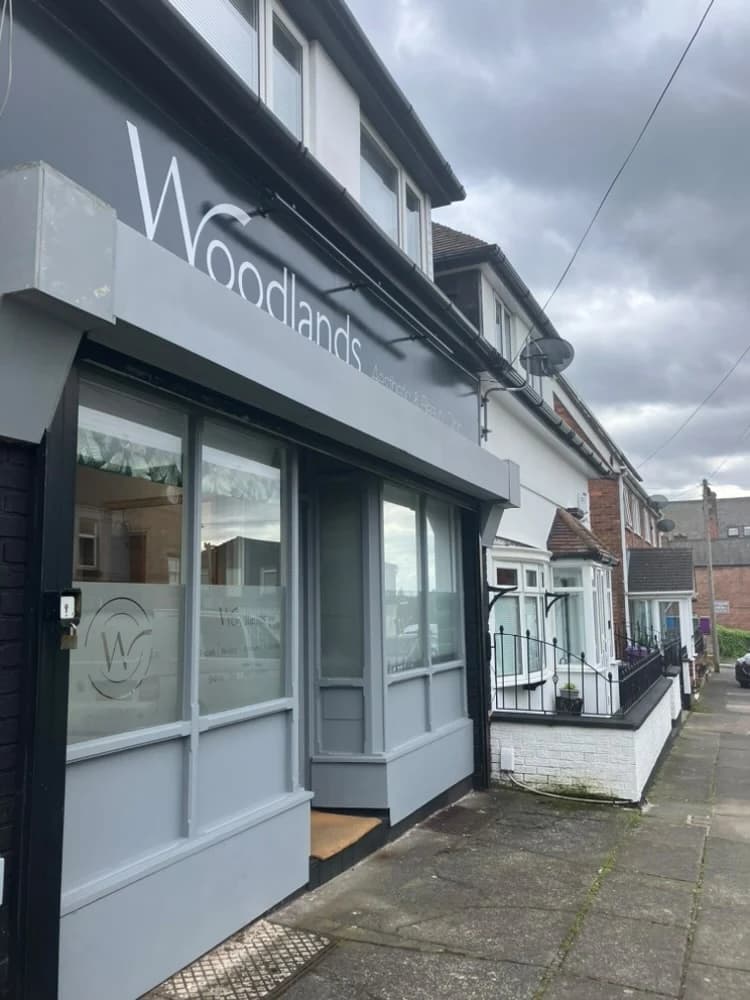
Woodlands Beauty Clinic
star
4.7
(21 reviews)
£££
L25 6HG, 106A Quarry Street, LiverpoolL25 6HG, 106A Quarry Street, Liverpool
Get directionsGet directions Woodlands Beauty Clinic
I went for a massage as I suffered a lot of pain in my back for a number of months. I had a hot stone massage done by Kerry. she was very professional and as soon as I went in was made to feel relaxed. She couldn’t do enough for me and made me feel at ease as this was the first time I had been to a salon for a massage. Kerry explained all the benefits of a hot stone massage to me and even explained some other treatments I could have to help. After my treatment I felt so much better and even days after kept feeling better and better. I will definitely be returning and would recommend her to anyone.

I went for a massage as I suffered a lot of pain in my back for a number of months. I had a hot stone massage done by Kerry. she was very professional and as soon as I went in was made to feel relaxed. She couldn’t do enough for me and made me feel at ease as this was the first time I had been to a salon for a massage. Kerry explained all the benefits of a hot stone massage to me and even explained some other treatments I could have to help. After my treatment I felt so much better and even days after kept feeling better and better. I will definitely be returning and would recommend her to anyone.

New to Vein Removal (Sclerotherapy)?

New to Vein Removal (Sclerotherapy)?

Learn what this treatment is and how it works.

Learn more
About Foam sclerotherapy

About Foam sclerotherapy

If you're looking for Foam sclerotherapy in Liverpool, MARBL makes it easy to compare medical-led clinics in one place. You can compare local clinics for Foam sclerotherapy in Liverpool without endless searching. Prices typically range from around £200 to £200, depending on the clinic, treatment area and number of sessions. All clinics on MARBL are medical-led and carefully vetted – we list only around 10% of clinics in the UK that meet our safety and quality standards. Browse verified reviews and book your appointment online in just a few clicks.

Foam Sclerotherapy involves injection of sclerosing solution directly into problem veins to close them down and fade their appearance. This proven treatment irritates vein walls, causing them to collapse and be reabsorbed by the body. The injection therapy effectively eliminates visible veins for smoother, clearer skin.

On MARBL, every clinic offering foam sclerotherapy is vetted for treatment expertise, comprehensive safety protocols, and quality care standards. Treatments are performed by trained specialists with expertise in advanced aesthetic procedures. Each clinic listing includes transparent pricing, detailed procedure information, and guidance on achieving optimal results through professional care.

Vein treatment sessions typically take 30-45 minutes, with veins beginning to fade within 3-4 weeks and optimal clearance achieved after completing recommended treatment series. You can compare certified specialists near you, check real-time availability, view verified reviews, and book foam sclerotherapy sessions directly through MARBL — achieving your aesthetic goals has never been more convenient.
other popular treatments

Anti-Wrinkle Injections

Anti-Wrinkle Injections

£30-£566
Book Now
Laser Hair Removal

Laser Hair Removal

£25-£725
Book Now
Lip Filler

Lip Filler

£120-£600
Book Now
Dermal Fillers

Dermal Fillers

£41-£550
Book Now
Profhilo

Profhilo

£250-£760
Book Now
Chemical Peels

Chemical Peels

£50-£1,520
Book Now
HydraFacial

HydraFacial

£70-£325
Book Now
Microneedling

Microneedling

£150-£1,488
Book Now

FAQs

Foam sclerotherapy is a medical treatment for varicose veins and larger spider veins that involves injecting a specially prepared foam solution directly into the affected veins. The foam is created by mixing a sclerosing agent (typically polidocanol or sodium tetradecyl sulfate) with air or medical gas to create a thick, mousse-like consistency. This foam has several advantages over traditional liquid sclerotherapy: it displaces blood more effectively, maintaining better contact with the vein walls; it is more visible on ultrasound, allowing for precise guided injection; it can treat larger veins that would be difficult with liquid solution alone; and it requires smaller volumes of sclerosing agent for the same effect. During the procedure, which is typically performed by vascular specialists or trained practitioners, the foam is injected into the problem vein using fine needles, often under ultrasound guidance. The foam irritates and damages the vein walls, causing them to collapse, stick together and eventually be absorbed by the body. The blood is then naturally rerouted through healthier veins. Foam sclerotherapy is commonly used for varicose veins, larger reticular veins, incompetent perforator veins and some cases of venous insufficiency. The treatment typically takes 30 to 60 minutes, requires no anaesthetic beyond local numbing at injection sites, and allows most people to return to normal activities the same day, though with specific restrictions.

In Liverpool, the price of Foam Sclerotherapy typically ranges from around £200 to £200, but individual clinic fees and case complexity cause variation. The final cost depends on the number and size of veins treated, whether ultrasound-guided injections are required, the number of sessions, and the practitioner’s experience and qualifications. For those searching for the price of Foam Sclerotherapy or how much Foam Sclerotherapy costs in Liverpool, it’s best to get a personalised consultation so the practitioner can quote for your specific needs. You can find the exact, up-to-date price for this treatment in the catalogue

Foam sclerotherapy is generally considered safe when performed by qualified vascular specialists or trained medical practitioners following proper protocols, though like any medical procedure it carries potential risks that should be understood. The treatment has been used for many years with a good safety profile overall. Common side effects that are usually temporary and minor include bruising, redness or discoloration along the treated vein; temporary lumps or trapped blood in treated veins; cramping or aching in treated leg; and itching around injection sites. More concerning but less common complications can include skin ulceration or necrosis if foam accidentally enters surrounding tissue; deep vein thrombosis (DVT), though rare when proper precautions are followed; allergic reactions to the sclerosing agent; visual disturbances, migraine or neurological symptoms if foam enters the arterial system, usually temporary; chest tightness or cough, typically mild and transient; and hyperpigmentation or brown staining that can persist for months or occasionally permanently. Very rare but serious complications include stroke or transient ischaemic attack if foam reaches the brain, though this is extremely uncommon with proper technique; and pulmonary embolism, though risk is very low. Safety depends heavily on proper patient selection through vascular assessment, with foam sclerotherapy not suitable for people with certain heart conditions, blood clotting disorders, pregnancy, or other contraindications; using appropriate foam preparation and volumes; ultrasound guidance for accurate injection; following post-procedure protocols including compression stockings and walking; and being performed by experienced practitioners in appropriate medical settings. The risk profile of foam sclerotherapy is generally considered favourable compared to surgical vein stripping, though more significant than treating minor cosmetic spider veins. A thorough consultation with a qualified vascular specialist is essential to assess your suitability and ensure the benefits outweigh risks for your specific situation.

You should generally avoid flying for at least 2 to 4 weeks after foam sclerotherapy, with most vascular specialists recommending waiting at least 2 weeks before air travel, though the exact timing depends on individual factors and your specialist's advice. The concern with flying after sclerotherapy relates to increased risk of deep vein thrombosis (DVT): foam sclerotherapy intentionally causes clotting within treated veins, which creates a temporary prothrombotic state; prolonged immobility during flights, particularly long-haul travel, is a known DVT risk factor; the combination of recent vein treatment and reduced mobility can compound the risk; and cabin pressure changes may theoretically affect recently treated veins, though evidence is limited. The waiting period allows the treated veins to properly seal and stabilise, inflammation to settle, and the acute clotting phase to resolve, reducing DVT risk. If you must fly shortly after foam sclerotherapy, your specialist may recommend wearing compression stockings throughout the flight; walking regularly during the flight and doing calf exercises while seated; staying well hydrated and avoiding alcohol; possibly taking aspirin or other anticoagulation if appropriate for your situation; and considering whether the flight is essential versus delaying treatment until after travel. Short flights (under 2 hours) may be less concerning than long-haul travel, though still require caution. Some practitioners are more conservative and recommend waiting 4 weeks, particularly for long-distance travel. The specific recommendation depends on the extent of treatment, vein size and location, your individual risk factors including personal or family history of clotting disorders, and your overall health. Always disclose upcoming travel plans during your consultation so your vascular specialist can provide personalised advice and potentially adjust treatment timing. If you develop leg pain, swelling, redness or breathing difficulties during or after air travel following sclerotherapy, seek immediate medical attention.

The veins treated with foam sclerotherapy are permanently destroyed and will not return, as once a vein is successfully closed and absorbed by the body, that specific vein cannot reopen or regenerate. In this sense, the treatment provides permanent closure of treated veins. However, it is important to understand that foam sclerotherapy does not prevent new varicose veins from developing in other locations over time. The underlying venous insufficiency or tendency to develop varicose veins remains, so new problem veins can appear in untreated areas over months to years. Many people find they need additional treatments for new veins that develop, typically every few years, though this varies considerably. Factors affecting long-term outcomes include the underlying cause and severity of your venous disease, with more extensive venous insufficiency having higher recurrence rates; genetic predisposition to varicose veins; lifestyle factors including occupation requiring prolonged standing, weight changes and exercise habits; pregnancy, which can trigger new varicose veins; age, as venous disease tends to progress over time; and whether underlying venous insufficiency was properly assessed and addressed. Some studies show that 10% to 25% of people may develop new varicose veins requiring treatment within 5 years, though this varies widely. The successfully treated veins themselves remain permanently closed, but the progression of venous disease means new veins may need attention. To maximise longevity of results, maintain a healthy weight, exercise regularly to support venous circulation, wear compression stockings if recommended, avoid prolonged standing or sitting when possible, and attend follow-up assessments to monitor for new vein development. Foam sclerotherapy should be viewed as treatment for existing problem veins rather than a permanent cure for the underlying venous condition. With appropriate ongoing management, many people maintain good results long-term.

Foam sclerotherapy results develop gradually over several weeks to months rather than immediately. The timeline typically follows this pattern: immediately after treatment, the injected veins may appear slightly swollen, feel firm or show some bruising; within the first 1 to 2 weeks, you may notice the treated veins becoming harder, darker or more visible as they undergo the closure process, which can initially look worse; between 2 to 4 weeks, treated veins begin to fade as the body starts breaking down and absorbing the closed vessels; at 4 to 8 weeks, significant fading usually becomes apparent, with veins appearing noticeably less prominent; and full results are typically visible 3 to 6 months after treatment, once the body has completely absorbed the treated veins and inflammation has resolved. The timeline varies depending on the size of the veins treated, with larger varicose veins taking longer to fade than smaller vessels; the extent of treatment and number of veins injected; your individual healing and absorption rate; whether you wear compression stockings as directed, which aids the closure process; and your circulation and overall health. Some people see noticeable improvement within a few weeks, while others require the full 3 to 6 months to appreciate final results. During the fading process, treated veins may appear discoloured, lumpy or irregular before eventually disappearing or becoming barely visible. Patience is important, as judging results too early can be misleading. Most people require multiple treatment sessions spaced 4 to 6 weeks apart to address all problem veins, so overall improvement continues to develop over several months of treatment. Your vascular specialist should schedule follow-up appointments to assess progress and determine if additional sessions are needed. If treated veins remain prominent or symptomatic after 6 months, this may indicate incomplete closure requiring additional treatment.

Most people find foam sclerotherapy relatively tolerable, with discomfort being mild to moderate rather than severely painful, though experiences vary. During the procedure, you may feel several sensations: a small pinch or sting as the needle enters the skin for injection; a mild burning, stinging or cramping sensation as the foam enters the vein, which some people describe as uncomfortable but brief; pressure or fullness in the leg as foam fills the vein; and possible cramping in the calf or thigh that typically lasts seconds to minutes. The discomfort during injection is usually brief and manageable without anaesthesia, though some practitioners may use local anaesthetic for particularly sensitive areas or anxious patients. Most people rate the pain as 3 to 5 out of 10 during the actual injections. After the procedure, you may experience aching, throbbing or cramping in the treated leg for several hours to a few days, similar to muscle soreness; tightness or heaviness in the leg; increased discomfort when standing for long periods; and bruising or tenderness around injection sites. Post-procedure discomfort is typically managed with over-the-counter pain relief like paracetamol or ibuprofen if approved by your practitioner. Wearing compression stockings as directed actually helps reduce post-treatment discomfort by supporting the closure process. The level of discomfort depends on several factors including the size and number of veins treated, with larger veins sometimes causing more cramping; your individual pain tolerance; the skill and technique of the practitioner; and whether you are having extensive treatment or smaller areas addressed. Most people find the discomfort very manageable and well worth the benefits of treating problematic varicose veins. The pain is generally much less than surgical vein stripping and resolves within a few days to a week. If you experience severe, worsening or unusual pain after foam sclerotherapy, contact your practitioner immediately, as this could indicate complications requiring assessment.

Whether you can drive after foam sclerotherapy depends on several factors, with most practitioners advising that you should not drive yourself home immediately after the procedure but can usually resume driving within 24 hours if you feel comfortable and safe. The immediate driving restriction is recommended because the procedure can cause temporary leg discomfort, cramping or heaviness that may affect your ability to brake safely; some people experience light-headedness or vasovagal response during or after treatment; compression stockings are applied immediately, which can feel restrictive and uncomfortable initially; and you are typically required to walk for 20 to 30 minutes immediately after treatment to prevent clotting risks, which may tire your legs. Most practitioners recommend arranging someone to drive you home or using alternative transportation for the day of treatment. After the first 24 hours, you can usually resume driving once you feel comfortable and confident that the compression stockings and any leg discomfort will not impair your ability to brake or control the vehicle safely. Factors to consider include ensuring you can perform an emergency stop without hesitation; feeling alert and comfortable, without significant leg pain or cramping; being able to tolerate the compression stockings while driving; and following your specific practitioner's advice, as protocols may vary. For extensive treatments or if you have reactions or complications, you may need to wait longer before driving. Some insurance policies have specific requirements about driving after medical procedures, so check your policy if concerned. Long drives should be avoided for the first few days after treatment, as prolonged sitting can increase DVT risk and discomfort. If you must drive longer distances, take regular breaks to walk and move around. Always inform your practitioner if you have concerns about driving or if your job requires extensive driving, as they can provide personalised guidance. If you experience unusual symptoms like severe leg pain, significant swelling, chest pain or breathing difficulties, do not drive and seek immediate medical attention.

Before foam sclerotherapy, people typically have bulging, twisted varicose veins visible on the legs, often appearing blue, purple or flesh-coloured; aching, throbbing or heaviness in the legs, particularly after standing; swelling in the lower legs and ankles; skin discolouration or texture changes around affected veins; visible spider veins or reticular veins; restless legs or cramping, especially at night; or embarrassment about the appearance of their legs, affecting clothing choices and confidence. These symptoms often worsen throughout the day and can significantly impact quality of life. After foam sclerotherapy treatment and full healing, typically assessed 3 to 6 months after completing necessary treatment sessions, most people experience significant improvements. The treated varicose veins are no longer visible or are dramatically reduced, appearing flat rather than bulging; the legs look smoother and more aesthetically pleasing; aching, heaviness and discomfort are greatly reduced or eliminated; swelling often improves; skin changes may improve if not too advanced; and overall quality of life improves, with increased confidence to wear shorts, skirts or swimwear. The degree of improvement depends on the severity of venous disease before treatment, with better results for earlier-stage varicose veins; the extent of underlying venous insufficiency; the number of veins requiring treatment; how many sessions were needed; adherence to post-treatment protocols including compression and activity modifications; and individual healing response. Some people achieve near-complete clearance of visible veins with significant symptom relief, while others with more extensive disease may see substantial but incomplete improvement or may require additional treatments. The treatment process involves several weeks to months of gradual fading: immediately after treatment, legs may appear bruised, swollen or show visible needle marks; treated veins initially become harder and may appear darker or more prominent for the first few weeks, which can be concerning; gradual fading begins around 2 to 4 weeks; and final results are visible at 3 to 6 months once all treated veins have been absorbed. Brown staining (hyperpigmentation) along treated veins is common and typically fades over several months, though can occasionally persist longer. New varicose veins may develop in other areas over subsequent years, requiring maintenance treatments, though successfully treated veins remain permanently closed. Your vascular specialist should provide realistic before and after photos from their own cases showing results after full healing to help set appropriate expectations. Most people with symptomatic varicose veins find foam sclerotherapy provides worthwhile improvement in both appearance and symptoms, with the benefits outweighing the temporary inconvenience of compression stockings and activity modifications during recovery.

Other cities nearby

Foam sclerotherapy in Liverpool | Top Clinics, Reviews & Prices | MARBL