

dermal fillers
Bourne

Dermal fillers in Bourne

Book from 5+ сlinics near you
Beautiful Aesthetics
star
5.0
(41 reviews)
£££
PE6 8NJ, 14 Spalding Road, Deeping Saint JamesPE6 8NJ, 14 Spalding Road, Deeping Saint James
Get directionsGet directions to Beautiful Aesthetics
Oh my goodness, my skin feels so, so, so nice!! I had a facial yesterday with Beautiful  Aesthetics.

I chose the hydro facial and blue light therapy as I am prone to breakouts and the whole experience was just dreamy.

I’ve woken up to my skin feeling like soft heaven!!!

Can’t wait to come back!

Oh my goodness, my skin feels so, so, so nice!! I had a facial yesterday with Beautiful Aesthetics. I chose the hydro facial and blue light therapy as I am prone to breakouts and the whole experience was just dreamy. I’ve woken up to my skin feeling like soft heaven!!! Can’t wait to come back!

1ml - Dermal Fillers

£225

2ml - Dermal Fillers

£350
Get recommendation

Too Many Options?

Get free advice from our team — we'll help you find the perfect match.

Free consultation
Too Many Options?
TMA Clinic
star
4.9
(72 reviews)
£££
PE10 0TG, Fen Road, BournePE10 0TG, Fen Road, Bourne
Get directionsGet directions to TMA Clinic
This was my first experience of having fillers and I was a little bit nervous about the procedure but after visiting Tara, i felt completely at ease.
She is extremely professional, patient and kind and explained the whole process and what to expect.
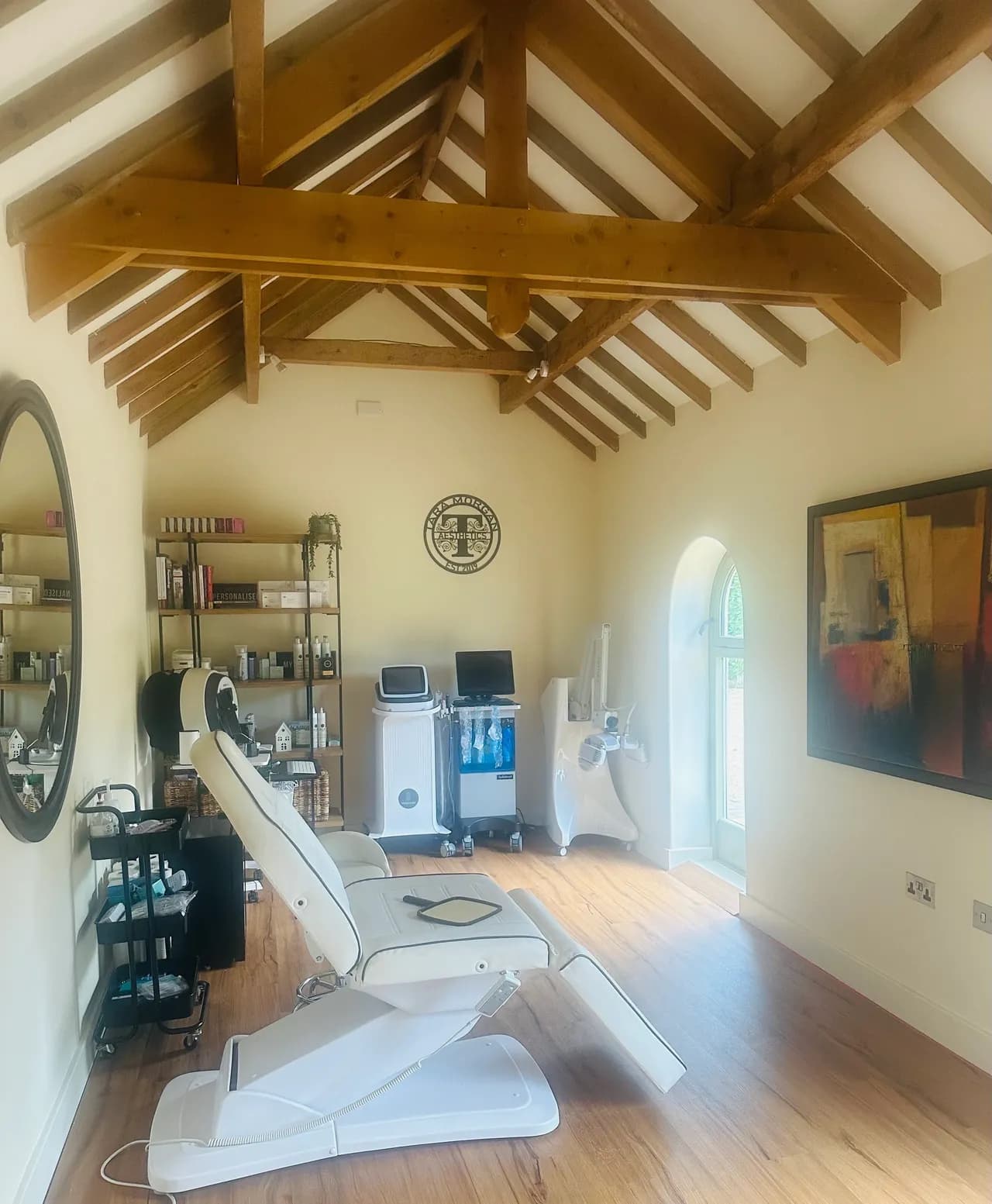
Her clinic is bright and homely and you're made to feel very welcome.
You're in safe hands with this lady!

This was my first experience of having fillers and I was a little bit nervous about the procedure but after visiting Tara, i felt completely at ease. She is extremely professional, patient and kind and explained the whole process and what to expect. Her clinic is bright and Read more

Mid-face dermal filler including cheek filler.

£295

Bronze 2ml - £450

£450

Silver 3ml - £650

£650
Kalios Stamford
star
5.0
(39 reviews)
£££
PE9 1PL, 7 Ironmonger Street, StamfordPE9 1PL, 7 Ironmonger Street, Stamford
Get directionsGet directions to Kalios Stamford
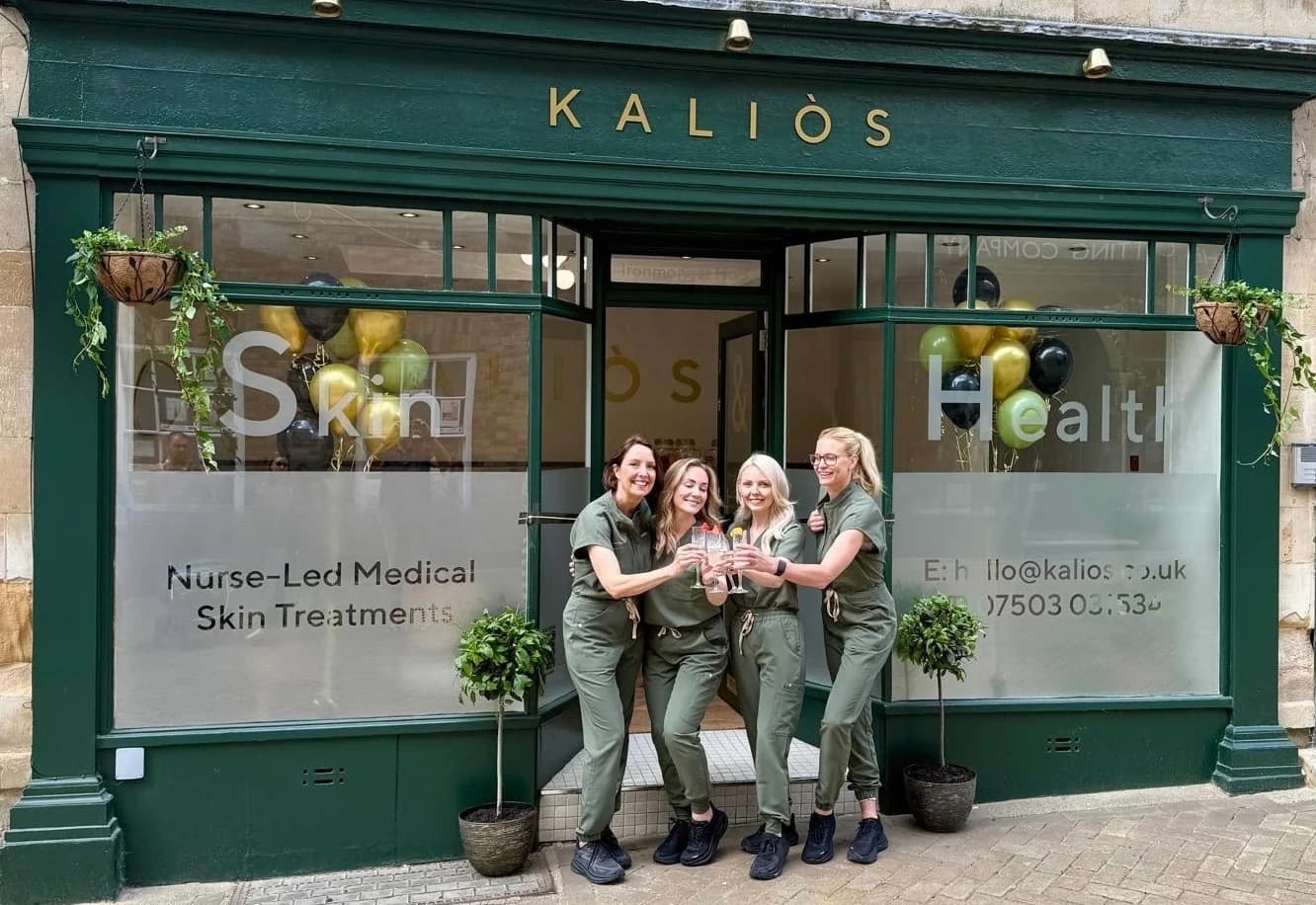
Went to see Tam at Kalios for a mole removal - the whole thing was really easy from start to finish. The studio itself is gorgeous, really relaxing and a great aesthetic. The procedure itself was stress free and I was really happy with the results!

Went to see Tam at Kalios for a mole removal - the whole thing was really easy from start to finish. The studio itself is gorgeous, really relaxing and a great aesthetic. The procedure itself was stress free and I was really happy with the results!

Cheeks 2 ml

£305

Filler Dissolve

£200

Cheeks 1 ml

£225
Anew Medical Aesthetics
star
5.0
(11 reviews)
£££
PE9 2EL, 5 Brownlow Street, StamfordPE9 2EL, 5 Brownlow Street, Stamford
Get directionsGet directions to Anew Medical Aesthetics
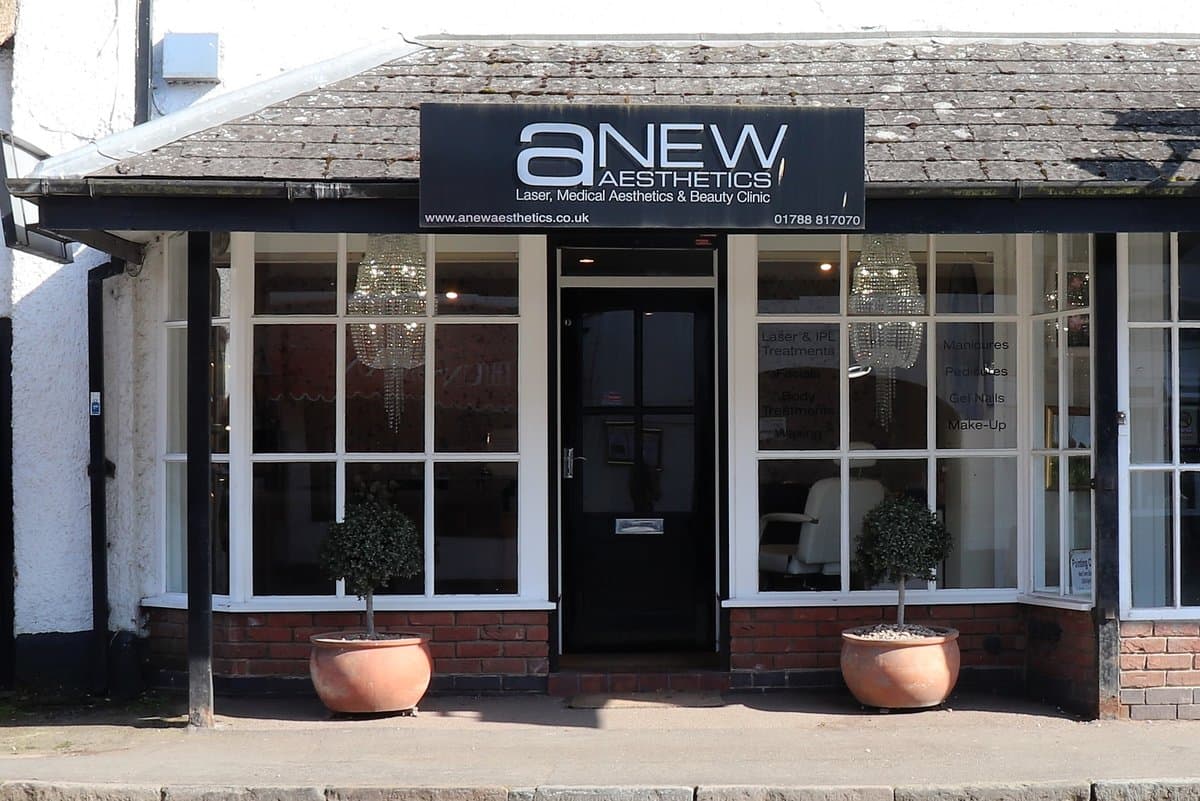
Dr. Becky at Anew Medical Aesthetics is truly exceptional! Her knowledge and professionalism are unmatched, and she takes the time to really understand your needs and goals. You can tell she genuinely cares about her patients and is passionate about what she does. Not only is she incredibly skilled, but her attention to detail and gentle approach make every treatment feel comfortable and customized. Whether it's skincare, injectables, or any beauty treatment, you're in the best hands with Dr. Becky. Highly recommend her to anyone looking for expert care and amazing results!

Dr. Becky at Anew Medical Aesthetics is truly exceptional! Her knowledge and professionalism are unmatched, and she takes the time to really understand your needs and goals. You can tell she genuinely cares about her patients and is passionate about what she does. Not only is she incredibly Read more

Cheek/chin/jawline enhancement - from £325

£325

Nasolabial/marionette lines, oral commissures - from £280

£280

Tear-trough correction - £400

£400
Image placeholder
star
4.9
(141 reviews)
£££
PE9 2DP, 14 Saint Mary's Hill, StamfordPE9 2DP, 14 Saint Mary's Hill, Stamford
Get directionsGet directions to House of Skin & Beauty Limited
Great experience today with Sara came in for a pedicure which was well overdue being on my feet all day with a manual job my feet are the first things to start aching but today I left feeling incredible with what feels like brand new feet Sara was friendly professional and went the extra mile where she could definitely recommend this treatment for anyone especially men whom are on their feet all day definitely coming back again

Great experience today with Sara came in for a pedicure which was well overdue being on my feet all day with a manual job my feet are the first things to start aching but today I left feeling incredible with what feels like brand new feet Sara was Read more

Cheek Enhancement

£395

Dermal fillers

£300-£400

Jaw Line

£425
New to Dermal Fillers?

New to Dermal Fillers?

Learn what this treatment is and how it works.

Explore Guides

reviews

Sam B-0-starSam B-1-starSam B-2-starSam B-3-starSam B-4-star

This was my first experience of having fillers and I was a little bit nervous about the procedure but after visiting Tara, i felt completely at ease. She is extremely professional, patient and kind and explained the whole process and what to expect. Her clinic is bright and homely and you're made to feel very welcome. You're in safe hands with this lady!

Sam B

Sam B

March 25
Zed Awais-0-starZed Awais-1-starZed Awais-2-starZed Awais-3-starZed Awais-4-star

After having a great tear trough filler experience with Tara last year, I travelled for 4 hours to see her again today! What drew me to Tara's practice is that she is so friendly, professional and with her background in nursing I trust her skills with injectable treatments. I was very happy with my treatment this time round too - it looks natural but I noticed an improvement in the volume under my eyes and masked some visible vessels I had under my eyes too. I would really encourage others to visit Tara for your treatments as you'll be in safe and skilled hands!

Zed Awais

Zed Awais

June 24
Zed-0-starZed-1-starZed-2-starZed-3-starZed-4-star

After having a great tear trough filler experience with Tara last year, I travelled for 4 hours to see her again today! What drew me to Tara's practice is that she is so friendly, professional and with her background in nursing I trust her skills with injectable treatments. I was very happy with my treatment this time round too - it looks natural but I noticed an improvement in the volume under my eyes and masked some visible vessels I had under my eyes too. I would really encourage others to visit Tara for your treatments as you'll be in safe and skilled hands!

Zed

Zed

June 24
Siobhan Cooper-0-starSiobhan Cooper-1-starSiobhan Cooper-2-starSiobhan Cooper-3-starSiobhan Cooper-4-star

Tara is such a lovely, trustworthy, knowledgeable and experienced clinician. I feel insecure about my eye area as I’m getting older and I knew I could trust Tara with such a risky area to give me helpful advice, having used her a few years back. I went with tear Trough filler and barely felt a thing. Loving the results and would recommend Tara to anyone. She really is an expert.

Siobhan Cooper

Siobhan Cooper

September 6
About Dermal fillers

About Dermal fillers

If you're looking for Dermal fillers in Bourne, MARBL makes it easy to compare medical-led clinics in one place. You can compare 5+ clinics for Dermal fillers in Bourne side by side. Prices typically range from around £200 to £650, depending on the clinic, treatment area and number of sessions. All clinics on MARBL are medical-led and carefully vetted – we list only around 10% of clinics in the UK that meet our safety and quality standards. Browse verified reviews and book your appointment online in just a few clicks.

Dermal filler treatments restore facial volume, enhance features, and smooth wrinkles using advanced hyaluronic acid and other biocompatible substances. These versatile procedures can address age-related volume loss, enhance lips, define cheekbones, strengthen jawlines, and smooth various facial lines and folds. The treatments offer both corrective and enhancement benefits, providing natural-looking results that complement your facial structure while addressing specific aesthetic concerns and anti-aging goals.

Clinics on MARBL offering dermal fillers are carefully vetted for injection expertise, product authenticity, and comprehensive facial enhancement capabilities. Treatments are performed by certified injectors with specialized training in facial anatomy, aesthetic proportions, and advanced filler techniques. On each clinic page, you'll find clear information about practitioner qualifications, product types used, and guidance on achieving optimal enhancement results through professional injection artistry and safety protocols.

Sessions typically take 30-60 minutes depending on areas treated, with immediate volume restoration and final results visible within 2 weeks after swelling subsides. MARBL gives you everything you need to book confidently: transparent pricing, real-time availability, verified reviews, and certified dermal filler specialists near you.
Aesthetic treatments similar to Dermal Fillers that may interest you

other popular treatments

Anti-Wrinkle Injections

Anti-Wrinkle Injections

£30-£566
Book Now
Lip Filler

Lip Filler

£120-£600
Book Now
Profhilo

Profhilo

£250-£760
Book Now
HydraFacial

HydraFacial

£70-£325
Book Now
Polynucleotides

Polynucleotides

£225-£650
Book Now
Fat Dissolving Injections

Fat Dissolving Injections

£100-£1,500
Book Now
Morpheus8

Morpheus8

£250-£1,700
Book Now
IPL/BBL Photofacial

IPL/BBL Photofacial

£60-£1,140
Book Now

Explore the best clinics for Dermal Fillers near you – start by picking your city

FAQs

Dermal fillers are injectable gel-like substances placed beneath the skin to restore lost volume, smooth wrinkles, enhance facial contours and improve overall facial appearance. They work by physically adding volume to tissue, unlike Botox which relaxes muscles. Fillers have become one of the most popular non-surgical cosmetic treatments worldwide. The main types of dermal fillers include hyaluronic acid fillers such as Juvederm, Restylane and Teosyal, which are the most common and can be dissolved if needed; calcium hydroxylapatite fillers like Radiesse, which stimulate collagen and last longer; poly-L-lactic acid fillers like Sculptra, which gradually stimulate collagen production; and polymethylmethacrylate (PMMA) fillers like Bellafill, which are considered semi-permanent. How dermal fillers work involves injection into specific layers of skin or tissue; they physically occupy space to create volume or smooth contours; hyaluronic acid also attracts water for additional plumping; some fillers stimulate your own collagen production; and results are visible immediately or develop gradually depending on type. Common uses for dermal fillers include restoring volume to cheeks and midface; smoothing nasolabial folds and marionette lines; enhancing and volumising lips; filling under-eye hollows and tear troughs; defining and contouring the jawline; augmenting the chin for better profile; smoothing vertical lip lines; and overall facial rejuvenation and harmony. Dermal fillers are typically performed as an outpatient procedure taking 15 to 60 minutes depending on areas treated, with results lasting from 6 months to 2+ years depending on the filler type and treatment area.

In Bourne, prices for Dermal Fillers vary between clinics and depend on how much filler is used (ml or syringes), the brand or type of filler, the practitioner’s experience, and the personalised treatment plan and desired result. In Bourne the price of Dermal Fillers typically ranges from around £260 to £650 depending on those factors. When comparing how much Dermal Fillers costs in Bourne, note that more syringes, premium brands or advanced techniques will raise the fee, while small enhancements may be cheaper. This helps you compare the price of Dermal Fillers in Bourne and the cost of Dermal Fillers in Bourne overall before booking a consultation. You can find the exact, up-to-date price for this treatment in the catalogue

Dermal fillers last anywhere from 6 months to 2+ years depending on the type of filler used, the area treated and individual factors affecting metabolism. Understanding expected duration helps with planning maintenance and managing costs. Duration by filler type shows hyaluronic acid fillers lasting 6 to 18 months typically, with lips 6 to 12 months, nasolabial folds 9 to 12 months, cheeks 12 to 18 months, and tear troughs 9 to 12 months; calcium hydroxylapatite fillers like Radiesse lasting 12 to 18 months; poly-L-lactic acid fillers like Sculptra lasting up to 2 years or more; and PMMA fillers being semi-permanent lasting 5+ years. Why duration varies by area relates to highly mobile areas like lips metabolising filler faster; areas with more movement breaking down filler more quickly; deeper placement typically lasting longer; and thicker, more robust fillers lasting longer than softer formulations. Factors affecting how long fillers last include your individual metabolism and metabolic rate; age, with younger people often metabolising faster; lifestyle factors like exercise increasing metabolism; the amount of filler placed; smoking potentially accelerating breakdown; sun exposure affecting skin and filler; and the specific product and technique used. Signs that filler is wearing off include gradual return of original contours; loss of volume or fullness; reappearance of lines or hollows; and even, symmetrical reduction typically. To maximise filler longevity, protect skin with daily SPF 50+ sunscreen; maintain healthy lifestyle supporting skin health; avoid smoking which accelerates breakdown; stay hydrated; and schedule maintenance before results completely fade. Most people find that subsequent treatments may last slightly longer as cumulative effects develop, and planning maintenance every 9 to 18 months depending on filler type keeps results consistent.

Dermal fillers take approximately 2 to 4 weeks to fully settle, though initial swelling typically resolves within the first week. The settling process involves both resolution of treatment-related swelling and integration of the filler into your tissue. Understanding this timeline helps manage expectations about your final results. The settling timeline shows that immediately after treatment, results are visible but swelling masks true appearance; during days 1 to 3, peak swelling occurs with results appearing fuller than final outcome; during days 3 to 7, significant swelling subsides with more accurate impression of results; during days 7 to 14, continued refinement as remaining swelling resolves; and during weeks 2 to 4, final results become apparent with filler fully settled and integrated. What happens during settling includes the filler integrating with surrounding tissue; any swelling from injection trauma resolving; the filler attracting water and reaching optimal hydration; slight movement or distribution to natural contours; and your face adjusting to the new volume. Factors affecting settling time include the area treated, with lips and under-eyes showing more swelling; the amount of filler placed; your individual healing response; whether bruising occurred; and post-treatment care compliance. During the settling period, swelling may be asymmetric, causing temporary unevenness; your face may feel slightly firm or tight; bruising if present will fade; and results will gradually look more natural. Important guidelines during settling include avoiding touching or massaging treated areas unless directed; sleeping elevated to reduce swelling; using cold compresses if recommended; avoiding strenuous exercise for 24 to 48 hours; and being patient before judging final results. Assessment and touch-ups typically occur at 2 to 4 weeks once settling is complete, allowing accurate evaluation and any necessary adjustments.

Yes, dermal fillers are generally safe when administered by qualified, experienced practitioners using FDA-approved or CE-marked products and proper techniques. While no medical procedure is completely risk-free, dermal fillers have an excellent safety profile when performed correctly. The safety record of dermal fillers includes millions of treatments performed worldwide annually; decades of clinical use demonstrating safety; regulatory approval by bodies like FDA and MHRA; high patient satisfaction and low complication rates; and serious complications being rare with proper technique. Common temporary side effects include swelling, redness and bruising at injection sites; mild tenderness or discomfort; temporary lumps or irregularities; and itching, which are normal and resolve quickly. Potential risks when not performed correctly include vascular occlusion where filler blocks blood vessels, which is rare but serious; infection if sterile technique is not followed; nodules or granulomas from immune response; asymmetry or unnatural results; allergic reactions, though rare with HA fillers; and migration if filler moves from intended location. Safety depends critically on choosing qualified, experienced practitioners with proper training; using FDA-approved or CE-marked products from reputable manufacturers; thorough consultation and medical history review; appropriate product selection for your needs; proper injection technique and depth; and having emergency protocols in place. To maximise safety, verify practitioner credentials and experience; ensure they use only approved, genuine products; discuss your complete medical history; understand risks specific to your treatment; ensure hyaluronidase is available for HA fillers; and follow all pre and post-treatment instructions. For the vast majority of people treated by qualified professionals, dermal fillers provide safe, effective enhancement with minimal risk of complications.

No, dermal fillers do not cause cancer. This is an important safety question, and extensive scientific evidence and decades of clinical use have not shown any association between dermal fillers and cancer development. The concern is understandable but unfounded based on current evidence. Why dermal fillers do not cause cancer relates to the fact that approved filler materials are biologically inert or biocompatible; they do not contain carcinogenic substances; they do not alter DNA or cause cellular mutations; they remain localised to injection sites; and they are either absorbed by the body (temporary fillers) or remain stable (permanent fillers). Scientific evidence supporting safety includes decades of clinical use without cancer link; extensive safety studies required for regulatory approval; post-market surveillance showing no cancer association; peer-reviewed research finding no carcinogenic effects; and expert consensus from dermatological and plastic surgery organisations. Regulatory oversight ensures that FDA-approved and CE-marked fillers undergo rigorous safety testing; long-term safety data is required; products are monitored after market release; and any safety signals would trigger regulatory action. Theoretical concerns addressed include that foreign body reactions to fillers are inflammatory, not carcinogenic; granulomas that occasionally form are benign; there is no biological mechanism for filler to cause cancer; and the materials used have no known cancer-causing properties. What is known about cancer and fillers shows no epidemiological evidence linking fillers to increased cancer risk; millions of treatments performed without cancer association; and patients can receive fillers without cancer concerns. The bottom line is that dermal fillers are not associated with cancer risk, are extensively studied for safety, and are approved by regulatory authorities worldwide based on comprehensive safety data. This concern, while understandable, is not supported by scientific evidence.

You should avoid strenuous exercise for 24 to 48 hours after dermal filler treatment to minimise swelling, bruising and potential complications. Light activity can typically be resumed sooner, but vigorous exercise should be delayed until initial healing occurs. Understanding these guidelines helps optimise your results and recovery. Why exercise should be avoided initially relates to increased heart rate and blood pressure potentially worsening swelling and bruising; increased blood flow to the face exacerbating inflammation; sweating potentially introducing bacteria to injection sites; facial movement and strain potentially affecting filler placement; and elevated body temperature increasing swelling. The recommended timeline shows that during hours 0 to 24, avoid all exercise completely; during hours 24 to 48, light walking may be acceptable if no significant swelling; during hours 48 to 72, gradually return to normal activity if healing well; and after 72 hours, resume full exercise routine including intense workouts. Activities to avoid initially include high-intensity cardio raising heart rate significantly; weightlifting or resistance training; inverted yoga poses or positions with head below heart; hot yoga or exercise in heated environments; contact sports risking facial trauma; and swimming due to bacteria and pressure. Activities generally acceptable include gentle walking after 24 hours; light stretching if it does not strain the face; low-impact activities that do not elevate heart rate significantly; and gradual return to normal routine. Individual considerations may require longer rest periods if significant swelling or bruising occurs; you have had extensive filler treatment; the practitioner recommends extended rest; or you have a history of poor healing. To minimise exercise-related issues, schedule treatments when you can accommodate rest; plan around important workouts or events; be conservative with activity level initially; and listen to your body, stopping if swelling increases. Following these exercise guidelines helps ensure optimal results and minimises complications from your filler treatment.

Most commonly used dermal fillers are not permanent and are designed to be temporary, lasting from 6 months to 2 years depending on the product and treatment area. However, some fillers are semi-permanent or permanent, though these are less commonly used due to the risks of long-term complications. Understanding the difference helps in making informed treatment decisions. Temporary dermal fillers include hyaluronic acid fillers, which are the most popular type lasting 6 to 18 months and being fully reversible with hyaluronidase; calcium hydroxylapatite fillers lasting 12 to 18 months; and poly-L-lactic acid fillers lasting up to 2 years. These temporary fillers are eventually fully absorbed by the body; they allow adjustments and updates over time; they can be dissolved if needed (HA fillers); and they are considered safer with lower risk of long-term problems. Semi-permanent and permanent fillers include PMMA (polymethylmethacrylate) fillers like Bellafill, which can last 5+ years; silicone injections, which are permanent but not FDA-approved for cosmetic use and carry significant risks; and polyacrylamide gels, which are used in some countries but controversial. Why temporary fillers are preferred relates to the ability to adjust results as your face ages naturally; if complications occur, temporary fillers eventually resolve; permanent fillers can migrate or cause late complications; facial trends and preferences change over time; and permanent fillers carry higher risk of nodules and granulomas. The concept of 'permanent filler results' is somewhat misleading because even temporary fillers may stimulate some permanent collagen; repeated treatments over years may create cumulative structural change; and your face has been supported against gravity during treatment. However, when filler is discontinued, the support is gradually lost and your face will eventually return to how it would have aged naturally. Most practitioners recommend temporary fillers for the vast majority of patients due to superior safety profile and flexibility to adjust over time.

Before dermal filler treatment, people typically have volume loss in the face from natural ageing; hollowing in cheeks, temples or under eyes; deep nasolabial folds and marionette lines; thin lips lacking fullness or definition; loss of jawline definition and jowling; overall facial imbalance or disproportion; and aged appearance that does not reflect how they feel. These concerns often develop gradually over years and significantly impact confidence and satisfaction with appearance. After dermal filler treatment, once initial swelling has settled (typically 2 to 4 weeks), most appropriate candidates experience significant, visible improvement. Common results include restored volume to hollowed areas; smoother nasolabial folds and marionette lines; enhanced lip fullness and definition; improved under-eye appearance with reduced hollowing; defined, contoured jawline; better facial proportions and harmony; and more youthful, refreshed appearance. The results timeline shows immediately visible improvement with some swelling; during days 1 to 7, swelling subsiding and results becoming more apparent; during weeks 2 to 4, final results as filler fully settles; during months 6 to 18+, results gradually fading as filler metabolises; and maintenance treatments sustaining optimal appearance. The degree of improvement depends on your baseline concerns and anatomy; the amount and type of filler used; the areas treated; practitioner skill and aesthetic judgment; realistic expectations; and adherence to aftercare. Multiple areas are often treated comprehensively for balanced, natural-looking facial rejuvenation rather than isolated treatment producing unbalanced results. Before and after expectations should be realistic: dermal fillers provide significant improvement but not perfection; results are temporary requiring maintenance; natural ageing continues regardless of treatment; and the goal is enhanced, natural-looking appearance rather than dramatic transformation. Most satisfied patients are those who choose experienced practitioners, have realistic expectations about temporary enhancement, commit to maintenance treatments, appreciate gradual natural-looking improvement, and understand that comprehensive treatment often provides better results than isolated areas.