
cherry angioma removal
Plymouth

Cherry angioma removal in Plymouth

Book from 1+ сlinics near you
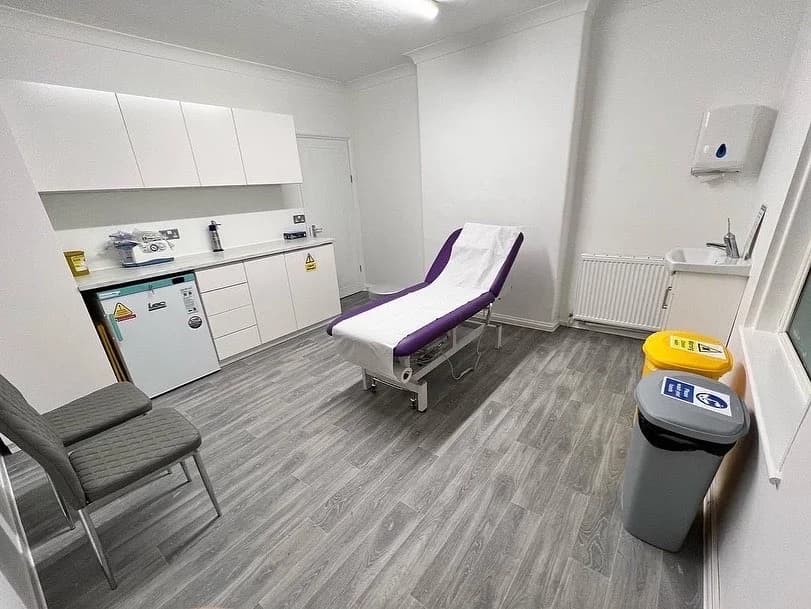
Precision Health and Training Ltd
PL2 3NW, 59 Pennycross Park Road, PlymouthPL2 3NW, 59 Pennycross Park Road, Plymouth
Get directionsGet directions Precision Health and Training Ltd
Found locally for what I needed and it was easy to book a place around my work hours.
The service was great and worked well with everything being explained on what is going to happen.
Very friendly and chatty making it relaxed while there.
Easy to pay once all was completed. Thanks.

Found locally for what I needed and it was easy to book a place around my work hours. The service was great and worked well with everything being explained on what is going to happen. Very friendly and chatty making it relaxed while there. Easy to pay once all was completed. Thanks.

New to Vein Removal (Sclerotherapy)?

New to Vein Removal (Sclerotherapy)?

Learn what this treatment is and how it works.

Learn more

reviews

Chris Grummitt-0-starChris Grummitt-1-starChris Grummitt-2-starChris Grummitt-3-starChris Grummitt-4-star

I have recently had a haemangioma removed from my lip. Ros and her team made me feel really relaxed and at ease. They are very professional and have followed up with an email afterwards to ensure all is well. I recommend them to anyone thinking about a procedure and wish them well.

Chris Grummitt

Chris Grummitt

September 19
About Cherry angioma removal

About Cherry angioma removal

If you're looking for Cherry angioma removal in Plymouth, MARBL makes it easy to compare medical-led clinics in one place. You can compare local clinics for Cherry angioma removal in Plymouth without endless searching. Prices typically range from around £50 to £50, depending on the clinic, treatment area and number of sessions. All clinics on MARBL are medical-led and carefully vetted – we list only around 10% of clinics in the UK that meet our safety and quality standards. Browse verified reviews and book your appointment online in just a few clicks.

Cherry Angioma Removal involves injection of sclerosing solution directly into problem veins to close them down and fade their appearance. This proven treatment irritates vein walls, causing them to collapse and be reabsorbed by the body. The injection therapy effectively eliminates visible veins for smoother, clearer skin.

On MARBL, every clinic offering cherry angioma removal is vetted for medical removal techniques, proper diagnosis capabilities, and safe excision protocols. Treatments are performed by qualified medical practitioners with training in dermatologic procedures. Each clinic listing includes transparent pricing, detailed procedure information, and guidance on achieving optimal results through professional care.

Treatment sessions typically take 30-60 minutes depending on procedure scope, with results timeline varying based on individual response and treatment protocol. You can compare certified specialists near you, check real-time availability, view verified reviews, and book cherry angioma removal sessions directly through MARBL — achieving your aesthetic goals has never been more convenient.
Aesthetic treatments similar to Cherry Angioma Removal that may interest you

other popular treatments

Anti-Wrinkle Injections

Anti-Wrinkle Injections

£30-£566
Book Now
Laser Hair Removal

Laser Hair Removal

£25-£725
Book Now
Lip Filler

Lip Filler

£120-£600
Book Now
Dermal Fillers

Dermal Fillers

£41-£550
Book Now
Profhilo

Profhilo

£250-£760
Book Now
Chemical Peels

Chemical Peels

£50-£1,520
Book Now
HydraFacial

HydraFacial

£70-£325
Book Now
Microneedling

Microneedling

£150-£1,488
Book Now

FAQs

You should absolutely not attempt to remove cherry angiomas at home under any circumstances. Cherry angiomas are vascular lesions made up of dilated blood vessels, and attempting home removal carries serious risks including significant bleeding that can be difficult to control due to the vascular nature of these lesions; infection from non-sterile conditions and improper wound care; permanent scarring or skin damage; incomplete removal, leaving remnants that may grow back or become irritated; accidentally removing a lesion that is not actually a cherry angioma, potentially masking a more serious skin condition; and causing unnecessary pain and complications. Methods sometimes suggested online such as applying apple cider vinegar, iodine, tea tree oil or other substances are completely ineffective for removing cherry angiomas and can cause chemical burns, irritation or allergic reactions. Attempting to cut, freeze, burn or otherwise remove cherry angiomas yourself is extremely dangerous and can result in severe bleeding, infection and permanent scarring. If you have cherry angiomas that bother you cosmetically or that bleed or catch on clothing, consult a qualified dermatologist or healthcare professional who can safely remove them using appropriate medical techniques such as laser, electrocautery, cryotherapy or excision in a sterile clinical environment with proper equipment, anaesthesia and aftercare. Professional removal is quick, relatively painless with numbing, carries minimal risk when performed correctly, and provides better cosmetic outcomes. Your health and safety are far too important to risk with DIY removal attempts. Always seek professional medical care for any skin lesion removal.

In Plymouth, the price of Cherry Angioma Removal typically ranges from around £50 to £50, but clinics may quote differently. How much Cherry Angioma Removal costs in Plymouth depends on factors such as the number and size of spots, the chosen method (laser, cautery, cryotherapy or excision), whether multiple sessions are needed, and the practitioner’s experience. The price of Cherry Angioma Removal in Plymouth can also be influenced by clinic facilities and aftercare included, which affects the cost of Cherry Angioma Removal overall. You can find the exact, up-to-date price for this treatment in the catalogue

Cherry angiomas should only be removed by qualified healthcare professionals using appropriate medical techniques in clinical settings. The most common and effective removal methods include laser therapy, typically using vascular lasers like pulsed dye laser or KTP laser, which targets the blood vessels causing the red colour, heating and destroying them without damaging surrounding skin; electrocautery or electrodesiccation, which uses electrical current to burn and seal the blood vessels; cryotherapy, which freezes the lesion using liquid nitrogen, though this is less commonly used for cherry angiomas; and surgical excision or shave removal for larger lesions, though this may leave a small scar. The choice of method depends on the size, location and number of cherry angiomas, your skin type, the practitioner's available equipment and expertise, and cosmetic considerations. Laser treatment is often preferred for facial lesions due to excellent cosmetic outcomes with minimal scarring. The procedure is typically quick, taking just seconds to minutes per lesion, involves local anaesthetic or numbing cream to minimise discomfort, causes minimal pain during treatment (brief stinging or burning), and requires little to no downtime, with most people returning to normal activities immediately. After removal, the treated area may form a small scab or crust that heals over 1 to 2 weeks. Cherry angiomas are benign lesions that do not require removal unless they bother you cosmetically, bleed frequently, or catch on clothing. If you have multiple cherry angiomas or notice rapid appearance of many lesions, consult a dermatologist to rule out underlying conditions. Professional removal is safe, effective and provides good cosmetic results when performed by experienced practitioners.

Yes, cherry angiomas can be successfully removed, and removal is a straightforward procedure when performed by qualified healthcare professionals. Cherry angiomas are benign vascular growths that do not need to be removed for medical reasons, but many people choose to have them removed for cosmetic reasons, if they bleed frequently, if they catch on clothing or jewelry, or if they are located in areas prone to irritation. Removal is typically very effective with various professional methods available including laser therapy, electrocautery, cryotherapy or surgical excision. Most removal methods achieve complete clearance of the treated angioma in a single session, though larger or deeper lesions may occasionally require more than one treatment. The procedures are generally quick, minimally uncomfortable with appropriate numbing, and produce good cosmetic outcomes with minimal scarring when performed correctly. However, removal should only be performed by qualified professionals - attempting self-removal is dangerous and strongly discouraged. Before removal, it is important to have any skin lesion properly assessed by a dermatologist or qualified healthcare provider to confirm it is indeed a cherry angioma and not another condition. While cherry angiomas are harmless, other red or vascular-looking lesions could be more serious, so professional diagnosis is essential. Once confirmed as cherry angiomas, removal is a personal choice based on cosmetic preferences or practical concerns. The procedure is typically not covered by insurance as it is considered cosmetic unless the lesions cause bleeding or other functional problems. Removal is permanent for that specific lesion, though new cherry angiomas may develop elsewhere over time. If you are bothered by cherry angiomas, consult a dermatologist to discuss removal options and expected outcomes.

No, you should absolutely not use skin tag remover products on cherry angiomas. This is extremely dangerous and strongly discouraged for several critical reasons. Cherry angiomas and skin tags are fundamentally different lesions: skin tags are benign growths of skin tissue with a small blood supply, while cherry angiomas are vascular lesions composed of a cluster of dilated blood vessels. Using skin tag removal products on cherry angiomas carries serious risks including severe bleeding that can be difficult to control due to the high concentration of blood vessels in angiomas; incomplete removal, as these products are designed for the tissue composition of skin tags, not vascular lesions; infection from improper treatment and non-sterile conditions; significant scarring or permanent skin damage; intense pain and tissue damage; and potential complications if the lesion is misidentified and is not actually a cherry angioma. Over-the-counter skin tag removal products typically work by cutting off blood supply to cause the tag to fall off, which is inappropriate and dangerous for vascular lesions. Some products contain acids or freezing agents that can cause severe reactions when applied to cherry angiomas. Even if a skin tag remover appears to affect a cherry angioma, the risk of complications far outweighs any perceived benefit. Cherry angiomas must be removed by healthcare professionals using appropriate medical techniques such as laser, electrocautery or proper excision in sterile clinical conditions with appropriate equipment and expertise. If you have a red bump you believe is a cherry angioma and want it removed, consult a dermatologist for safe, professional removal. Never attempt to remove any skin lesion yourself with products not specifically indicated for that lesion type. Professional removal is quick, safe and produces far better cosmetic results than any home remedy or inappropriate product use.

Yes, laser therapy is one of the most effective and commonly used methods for removing cherry angiomas, often considered the gold standard treatment, particularly for facial lesions where cosmetic outcome is important. Vascular lasers work by targeting the red colour (haemoglobin) in the dilated blood vessels that make up the cherry angioma. The laser energy is absorbed by the blood, which heats and destroys the vessels while leaving surrounding skin largely unaffected. Common lasers used include pulsed dye laser (PDL), which is specifically designed for vascular lesions and provides excellent results; KTP laser (532nm), which also targets blood vessels effectively; and Nd:YAG laser, which can treat deeper vascular lesions. The procedure is typically very quick, taking just seconds per angioma, with brief pulses of laser light directed at each lesion. Most people feel minimal discomfort, describing brief stinging or snapping sensations, with no anaesthetic needed or just topical numbing for sensitive individuals. Immediately after laser treatment, the angioma may darken, swell slightly or show crusting, which heals over 7 to 14 days. The treated lesion gradually fades and often disappears completely, though larger or deeper angiomas may require a second treatment session. Laser removal offers several advantages including excellent cosmetic results with minimal scarring; precise treatment that spares surrounding tissue; quick procedure with minimal downtime; effective for multiple angiomas in one session; and suitable for sensitive areas like the face. The main limitation is that some very deep or large cherry angiomas may respond better to electrocautery or excision. Laser removal typically requires no special aftercare beyond sun protection and keeping the area clean. Results are generally permanent for treated lesions, though new cherry angiomas may develop elsewhere over time. If you are considering cherry angioma removal, consult a dermatologist or laser specialist to determine if laser treatment is appropriate for your specific lesions.

Individual cherry angiomas that have been successfully removed do not typically grow back in the exact same location, as the blood vessels that formed the lesion have been destroyed. When properly treated with laser, electrocautery or other appropriate methods, the removal is permanent for that specific angioma. However, it is very common for new cherry angiomas to develop in other locations over time, which some people may perceive as the angiomas 'coming back'. Cherry angiomas are caused by a combination of genetic predisposition, ageing, and possibly other factors, so the tendency to develop them remains even after removing existing lesions. Several factors influence new cherry angioma development including age, as they become increasingly common from the 30s onwards and continue to appear throughout life; genetics, with strong familial tendency; and possibly hormonal factors, though the exact causes are not fully understood. Most people who develop cherry angiomas will continue to develop new ones periodically throughout their lifetime, regardless of how many are removed. This means that while removal is permanent for treated lesions, maintenance treatments may be needed every few years to address newly formed angiomas if cosmetic appearance is a concern. Rarely, if a cherry angioma was not completely destroyed during initial treatment, it may appear to 'regrow' in the same spot, which actually represents incomplete removal rather than true regrowth. This is more common with very deep or large angiomas. If you notice what appears to be regrowth at the exact site of a previously removed angioma, it may require retreatment to ensure complete destruction of all vascular tissue. The development of new cherry angiomas is a normal part of ageing for many people and does not indicate any underlying health problem. If you develop numerous new cherry angiomas rapidly or in unusual patterns, consult a dermatologist to rule out rare conditions. For people bothered by cherry angiomas, periodic professional removal of new lesions as they appear is a reasonable approach to maintaining desired appearance.

Before cherry angioma removal, people typically have one or multiple bright red, cherry-red or purple dome-shaped spots on the skin, most commonly on the torso, arms or face, ranging from pinpoint size to several millimeters in diameter. These lesions may be smooth or slightly raised, sometimes appearing as a cluster. While cherry angiomas are harmless, people often feel self-conscious about their appearance, particularly when multiple lesions are present or when located on visible areas like the face, neck or arms. Some cherry angiomas may bleed if scratched, bumped or caught on clothing, causing concern. After professional removal, typically assessed once healing is complete (1 to 4 weeks depending on the method used), the treated cherry angiomas are usually completely gone or significantly reduced, leaving clear, smooth skin in their place. When performed correctly by experienced practitioners, cherry angioma removal typically achieves excellent cosmetic results with minimal to no scarring, particularly when laser treatment is used. The skin appears even-toned and clear where the angiomas were removed. During the healing process, treated areas may temporarily darken, crust or scab before healing, which is a normal part of recovery. Final cosmetic results are visible once complete healing occurs, usually within 2 to 4 weeks. The degree of cosmetic improvement depends on the removal method used, with laser typically producing the best cosmetic outcomes; the size and depth of the original angiomas; the skill and experience of the practitioner; proper aftercare including sun protection during healing; and individual healing and scarring tendency. Most people achieve excellent results with minimal visible evidence of treatment. While successfully removed cherry angiomas do not return in the same spot, new cherry angiomas commonly develop elsewhere over time, particularly as ageing continues. Many people choose to have periodic maintenance treatments to remove newly developed lesions. The immediate and dramatic cosmetic improvement from cherry angioma removal provides significant satisfaction for people who were bothered by their appearance. Your dermatologist or practitioner should be able to show realistic before and after photos from their own work demonstrating typical results for cherry angioma removal using their specific technique. For most people, professional removal provides simple, effective elimination of these benign but cosmetically bothersome lesions with minimal inconvenience and excellent outcomes.

Cherry angioma removal in Plymouth | Top Clinics, Reviews & Prices | MARBL