


chemical peels
Killay

Chemical peels in Killay

Book from 3+ сlinics near you
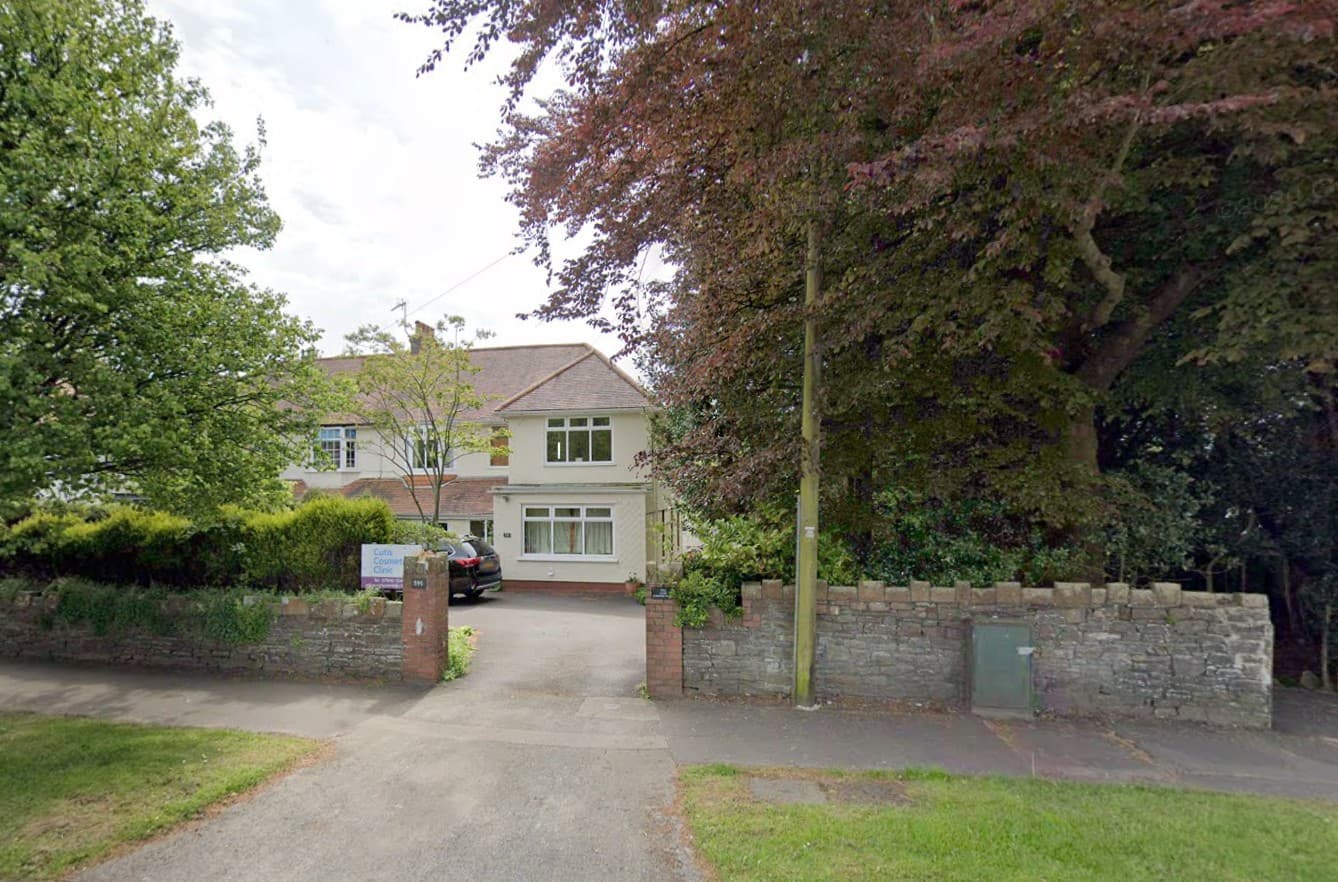
CUTIS COSMETIC CLINIC
star
5.0
(3 reviews)
£££
SA2 7AH, 395 Gower Road, KillaySA2 7AH, 395 Gower Road, Killay
Get directionsGet directions to CUTIS COSMETIC CLINIC

Chemical Peels | includes pre and post peel creams

£175
Get recommendation

Too Many Options?

Get free advice from our team — we'll help you find the perfect match.

Free consultation
Too Many Options?
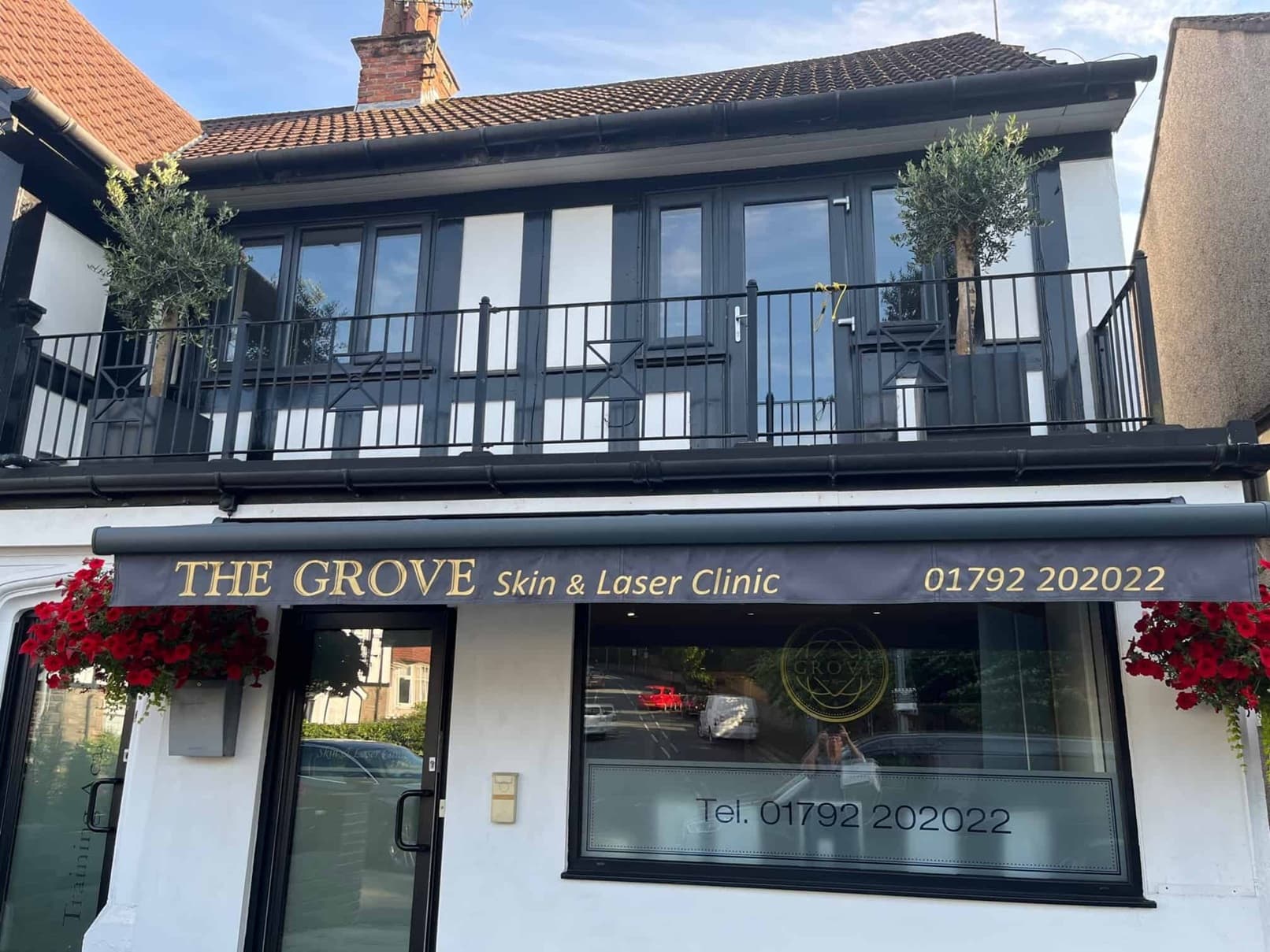
The Grove Skin & Laser Clinic
star
4.5
(127 reviews)
£££
SA2 0RN, 117 Glanmor Road, SkettySA2 0RN, 117 Glanmor Road, Sketty
Get directionsGet directions to The Grove Skin & Laser Clinic
Amazing clinic! So professional and happy to answer all and any questions. Everyone is so friendly and put me at ease before and during my treatment. Could not be happier with the service and the result, will be going back for any/all future treatments. Highly recommend!

Amazing clinic! So professional and happy to answer all and any questions. Everyone is so friendly and put me at ease before and during my treatment. Could not be happier with the service and the result, will be going back for any/all future treatments. Highly recommend!

Cosmelan®

£2,000
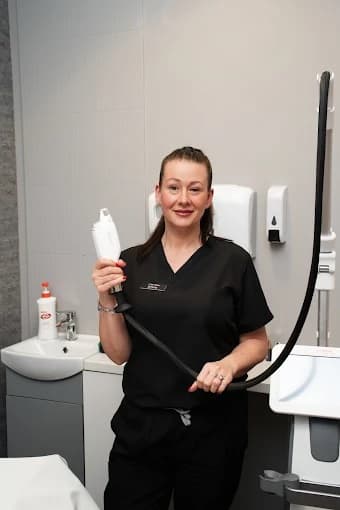
1192 Laser & Beauty Clinic
star
4.7
(139 reviews)
£££
SA1 2FA, PlasmarlSA1 2FA, Plasmarl
Get directionsGet directions to 1192 Laser & Beauty Clinic
i go to emma for my laser tattoo removal and she makes the whole process as comfortable as possible and as quick as possible. me and my partner who accompanies me to my appointments love having a chat with her whenever we go, she’s lovely xx

the shop in general is very professional and hygienic, all members of staff are very polite and friendly and willing to answer any questions. they also will let you know in advance by call or text if any games are going on so that you can make sure you can get to your appointment on time!

i would definitely recommend!

i go to emma for my laser tattoo removal and she makes the whole process as comfortable as possible and as quick as possible. me and my partner who accompanies me to my appointments love having a chat with her whenever we go, she’s lovely xx the shop Read more

ACID INFUSION

£99
New to Chemical Peels?

New to Chemical Peels?

Learn what this treatment is and how it works.

Explore Guides
About Chemical peels

About Chemical peels

If you're looking for Chemical peels in Killay, MARBL makes it easy to compare medical-led clinics in one place. You can compare local clinics for Chemical peels in Killay without endless searching. Prices typically range from around £99 to £2000, depending on the clinic, treatment area and number of sessions. All clinics on MARBL are medical-led and carefully vetted – we list only around 10% of clinics in the UK that meet our safety and quality standards. Browse verified reviews and book your appointment online in just a few clicks.

Chemical peel treatments use carefully formulated acid solutions to exfoliate skin layers, improve texture, reduce pigmentation, and promote cellular renewal for clearer, smoother skin. These versatile procedures range from light surface peels to deep resurfacing treatments, addressing concerns like sun damage, acne scarring, fine lines, and uneven tone. The customizable treatments stimulate skin regeneration and collagen production, offering both corrective and preventive benefits for comprehensive skin improvement.

Clinics on MARBL offering chemical peels are carefully vetted for skin treatment expertise, safety protocols, and comprehensive rejuvenation capabilities. Treatments are performed by trained skin specialists with expertise in advanced treatment protocols, skin assessment, and comprehensive rejuvenation approaches. On each clinic page, you'll find detailed information about practitioner qualifications, treatment approaches, and guidance on achieving optimal results through professional care and comprehensive treatment support.

Sessions typically take 30-60 minutes depending on peel strength, with visible improvements within 1-2 weeks and optimal results achieved through treatment series for deeper concerns. MARBL gives you everything you need to book confidently: transparent pricing, real-time availability, verified reviews, and certified chemical peels specialists near you.
Aesthetic treatments similar to Chemical Peels that may interest you

other popular treatments

Anti-Wrinkle Injections

Anti-Wrinkle Injections

£30-£566
Book Now
Laser Hair Removal

Laser Hair Removal

£25-£725
Book Now
Lip Filler

Lip Filler

£120-£600
Book Now
Dermal Fillers

Dermal Fillers

£41-£550
Book Now
Microneedling

Microneedling

£150-£1,488
Book Now
Pigmentation

Pigmentation

£64-£700
Book Now
Collagen Stimulators

Collagen Stimulators

£100-£993
Book Now
Vein Removal (Sclerotherapy)

Vein Removal (Sclerotherapy)

£44-£1,410
Book Now

Explore the best clinics for Chemical Peels near you – start by picking your city

FAQs

A chemical peel is a cosmetic treatment that uses a chemical solution applied to the skin to remove damaged outer layers, stimulate cell turnover and reveal fresher, smoother skin beneath. The treatment improves various skin concerns including fine lines, uneven tone, acne scarring and sun damage through controlled exfoliation. Chemical peels work by applying acid solutions to the skin that break down bonds between dead skin cells; the damaged outer layers peel away over days to weeks; this reveals new, regenerated skin underneath; the depth of penetration determines the intensity; and the skin's natural healing response stimulates collagen production. The three main types of chemical peels by depth include superficial or light peels penetrating only the epidermis, using mild acids like AHAs or low-concentration TCA, requiring minimal downtime and treating surface concerns; medium peels penetrating through the epidermis into the upper dermis, using TCA or combination formulations, requiring moderate recovery and addressing deeper concerns; and deep peels penetrating to the mid-dermal layer, using phenol or high-concentration TCA, requiring significant downtime but providing dramatic results. Common acids used in chemical peels include alpha hydroxy acids (AHAs) such as glycolic acid from sugar cane, lactic acid from milk, and mandelic acid from almonds; beta hydroxy acids (BHAs) like salicylic acid; trichloroacetic acid (TCA) in various concentrations; and phenol for deep peels. Chemical peels can effectively treat fine lines and wrinkles; uneven skin tone and hyperpigmentation; sun damage and photoaging; acne and acne scarring; rough skin texture; enlarged pores; melasma and age spots; and overall skin rejuvenation. The treatment typically takes 30 to 60 minutes; may cause tingling or burning sensations; requires downtime ranging from none for light peels to 2 weeks for deep peels; and results last from months to years depending on peel depth.

In Killay the price of Chemical Peels typically ranges from around £175 to £175, with variation between clinics depending on peel strength, product type and whether a course of sessions is recommended. Local factors such as clinic location, practitioner experience and the specific treatment area will affect the cost, so the cost of Chemical Peels overall in Killay can differ from other parts of the UK. If you want to know how much Chemical Peels costs in Killay, ask clinics about included consultations, aftercare and any package deals. You can find the exact, up-to-date price for this treatment in the catalogue

A chemical peel removes damaged outer skin layers through controlled chemical exfoliation, revealing healthier skin underneath while stimulating the skin's natural regeneration processes to improve texture, tone and overall quality. The treatment addresses multiple skin concerns through coordinated biological effects. What chemical peels do to the skin includes dissolving the intercellular bonds holding dead skin cells together; removing the stratum corneum and potentially deeper layers depending on strength; triggering the skin's wound healing response; stimulating fibroblasts to produce new collagen and elastin; promoting cell turnover and renewal; and reducing melanin production in pigmented cells. Specific effects by peel depth show superficial peels exfoliating the outermost layer, brightening complexion, smoothing rough texture, treating mild pigmentation and requiring minimal recovery; medium peels penetrating deeper to address moderate wrinkles, more significant pigmentation, acne scarring and sun damage while requiring about a week of healing; and deep peels dramatically improving severe wrinkles, deep scars and significant sun damage but requiring 2 weeks or more of recovery. What chemical peels do for specific concerns includes reducing fine lines by promoting collagen production and smoothing skin surface; improving hyperpigmentation by exfoliating pigmented cells and inhibiting melanin production; treating acne by unclogging pores, reducing bacteria and improving skin cell turnover; diminishing acne scars by removing damaged surface layers and stimulating collagen remodeling; reversing sun damage by removing photodamaged cells and revealing healthier skin; and enhancing overall skin radiance through exfoliation and renewal. The biological cascade triggered by chemical peels shows immediate chemical reaction breaking down skin proteins; inflammatory response beginning within hours; cellular proliferation accelerating over days to weeks; collagen synthesis increasing for weeks to months; and continued skin remodeling for up to 6 months after medium to deep peels. What chemical peels cannot do includes eliminating deep wrinkles or severe skin laxity requiring surgery; permanently preventing ageing; treating active skin infections; removing birthmarks or certain types of scars; and providing instant results as improvement develops over time. Short-term effects of chemical peels involve immediate brightening from exfoliation; smoother texture as dead cells are removed; temporary inflammation stimulating healing; and visible peeling revealing new skin. Long-term effects with regular treatments show cumulative improvement in skin quality; increased collagen production; reduced pigmentation; improved texture; and maintenance of healthier, more youthful skin with proper protocols and sun protection.

Yes, chemical peels are generally safe when performed by qualified practitioners using appropriate peel strengths for your skin type and concerns. The treatment has been used for decades with an established safety profile, though all peels carry some risk of complications that increase with peel depth and improper technique. The safety profile of chemical peels shows superficial peels having excellent safety with minimal risk; medium peels being safe with proper patient selection and technique; deep peels carrying higher risks requiring medical supervision; and millions of treatments performed safely worldwide annually. Why chemical peels are generally safe relates to the use of well-studied chemical formulations; precise control over peel depth and strength; ability to neutralize acids if needed; established protocols and safety guidelines; and extensive practitioner training available. Common temporary side effects include redness lasting hours to days depending on peel depth; mild stinging or burning during application; flaking or peeling skin over several days; temporary increased sensitivity; mild swelling, particularly around eyes; and these resolving as skin heals. Potential risks and complications though uncommon include post-inflammatory hyperpigmentation, especially in darker skin; scarring from infection or improper healing; prolonged redness lasting weeks to months; skin lightening or darkening; infection if aftercare is not followed; herpes simplex reactivation in susceptible individuals; and allergic reactions to peel components. Safety depends critically on proper patient assessment for suitability; appropriate peel selection for skin type and concerns; correct application technique and timing; sterile procedure and infection prevention; thorough aftercare instructions; and managing complications promptly if they occur. Skin type considerations for safety show Fitzpatrick types I-III generally having lower complication risk; types IV-VI requiring careful peel selection to avoid pigmentation issues; pre-treatment with hydroquinone sometimes recommended for darker skin; test patches potentially indicated; and experienced practitioners being essential for all skin types. Contraindications for chemical peels include active skin infections or open wounds; isotretinoin use within 6 to 12 months; pregnancy and breastfeeding for medium to deep peels; active herpes simplex requiring prophylaxis; history of keloid scarring; unrealistic expectations; and certain medications increasing photosensitivity. To maximise safety, choose qualified practitioners with proper training; ensure thorough consultation and skin assessment; disclose complete medical history; follow all pre-treatment preparation; adhere strictly to aftercare protocols including sun protection; and report any concerning symptoms immediately. Comparing safety by peel depth shows superficial peels being very safe with minimal complications; medium peels requiring more caution but still quite safe; and deep peels having highest risk requiring medical oversight. The excellent safety record of chemical peels when performed appropriately makes them one of the most reliable cosmetic treatments available.

Chemical peels cause varying degrees of discomfort during application, with superficial peels causing mild tingling or stinging, medium peels producing more significant burning sensations, and deep peels causing substantial discomfort requiring pain management. Most people find the temporary discomfort tolerable given the results achieved. What chemical peels feel like during treatment shows superficial peels causing mild tingling, slight warmth or brief stinging lasting seconds to minutes; medium peels producing moderate to intense stinging or burning for several minutes; deep peels causing significant burning requiring sedation or anaesthesia; and sensations stopping once the peel is neutralized or self-neutralizes. Pain levels by peel type indicate light peels are rated 1 to 3 out of 10 by most people with discomfort being quite mild; medium peels are rated 4 to 7 out of 10 with more noticeable burning; deep peels would be 8 to 10 out of 10 without anaesthesia, requiring pain management; and individual pain tolerance affecting these ratings. Factors affecting pain during chemical peels include the acid type and concentration used; application time and technique; the treatment area with thinner skin being more sensitive; individual pain tolerance; skin condition and sensitivity; and anxiety level affecting pain perception. Pain management during chemical peels involves fans or cool air directed at the face reducing sensation; handheld fans for patient use; ice packs or cold compresses after application; acetaminophen or ibuprofen before treatment if recommended; topical anaesthetics for medium peels in some cases; and sedation or nerve blocks for deep peels. After the peel, sensations include tightness as skin dries and contracts; mild stinging if moisturizer is applied too soon; sensitivity to products and temperature; and discomfort typically being minimal with proper aftercare. The healing phase discomfort shows days 1 to 2 with tightness and possible mild burning; days 2 to 5 with tightness and itching as peeling begins; days 5 to 7 with continued peeling and sensitivity; and discomfort decreasing as new skin emerges. What makes chemical peel discomfort tolerable includes the temporary nature lasting only during and briefly after treatment; effectiveness of pain management strategies; predictable sensations that decrease with experience; and results being worth brief discomfort for most people. Comparing chemical peel pain to other treatments shows it being more uncomfortable than most facials; similar to or less than laser treatments; much less than ablative laser resurfacing; and brief compared to recovery pain from surgery. Managing expectations about pain involves discussing specific sensations to expect; knowing pain management options; understanding pain is temporary; and having realistic expectations based on peel depth. Most people find superficial peels very tolerable with minimal discomfort, medium peels moderately uncomfortable but manageable, and deep peels requiring appropriate pain management but being acceptable given the dramatic results they provide.

Chemical peeling works through the application of acid solutions that cause controlled chemical burns to the skin, breaking down proteins and bonds between skin cells, leading to exfoliation of damaged layers and triggering the body's wound healing response that generates new, healthier skin. The depth of penetration determines the treatment intensity and results. The chemical mechanism involves acid molecules penetrating into skin layers; hydrogen ions disrupting protein structures and intercellular connections; keratinocyte bonds weakening causing cell separation; controlled damage to targeted depth; and pH and acid concentration determining penetration. The biological response cascade shows immediate chemical reaction at application; inflammatory response within hours attracting healing cells; cell proliferation accelerating over 24 to 48 hours; re-epithelialization occurring over days to weeks; collagen synthesis increasing; and remodeling continuing for months. How different acids work includes alpha hydroxy acids (AHAs) like glycolic and lactic acid being water-soluble, exfoliating surface layers and promoting cell turnover; beta hydroxy acid (salicylic acid) being lipid-soluble, penetrating into pores and being ideal for acne; trichloroacetic acid (TCA) coagulating proteins, penetrating to controlled depths and being versatile for light to deep peels; and phenol penetrating deeply, providing dramatic results but requiring careful use. The depth of penetration by peel type shows very superficial peels affecting only the stratum corneum with visible flaking; superficial peels extending through epidermis to basal layer with light peeling over days; medium peels reaching upper papillary dermis with significant peeling and wound healing; and deep peels extending to mid-reticular dermis with dramatic results and extensive healing. The healing timeline after chemical peels involves immediate redness and inflammation; days 2 to 7 with visible peeling as damaged skin sheds; days 7 to 14 with new skin emerging, pink and sensitive; weeks 2 to 6 with continued collagen production and skin maturation; and months 2 to 6 with continued remodeling and optimal results developing. What determines peel effectiveness includes the acid type and concentration; pH of the solution; application time and technique; number of layers applied; skin preparation before treatment; and individual skin response. The controlled injury principle shows chemical peels creating precise, controlled damage; this triggers robust healing response; new skin replacing damaged tissue; collagen production improving structure; and results depending on balancing injury with safe healing. Why chemical peels require multiple sessions for optimal results relates to staged injury being safer than single aggressive treatment; cumulative improvement building over time; skin tolerance increasing gradually; and maintenance treatments sustaining benefits. The difference between neutralized and self-neutralizing peels shows some peels requiring alkaline neutralizer to stop action; others being self-neutralizing as acid penetrates to target depth; timing and technique affecting outcomes; and practitioner expertise being crucial. Understanding how chemical peels work helps appreciate why pre-treatment preparation, proper application and careful aftercare are essential for optimal, safe results.

Before chemical peel treatment, people typically have various skin concerns including fine lines and wrinkles from ageing; uneven skin tone with hyperpigmentation, sun spots or melasma; rough, dull skin texture lacking radiance; acne and post-acne marks or scarring; sun damage and photoaging; enlarged pores; and overall tired-looking skin affecting confidence and appearance. These concerns accumulate over time and often make skin appear older or less healthy than desired. After chemical peel treatment, following completion of recommended sessions (typically a series of 3 to 6 treatments for superficial peels or single treatments for medium to deep peels) and allowing full healing time, most appropriate candidates experience significant visible improvements. Common results include noticeably brighter, more radiant complexion; smoother, more refined skin texture; reduced appearance of fine lines and wrinkles; evening out of skin tone with diminished hyperpigmentation; cleared or improved acne; reduced visibility of acne scars; tighter, firmer skin appearance; and more youthful, refreshed overall appearance. The results timeline shows that for superficial peels, minimal visible change during treatment; days 2 to 5 with light flaking or peeling; visible improvement within 1 week; and optimal results at 2 to 4 weeks requiring multiple sessions. For medium peels, immediate redness and swelling; days 3 to 7 with significant peeling; new pink skin emerging by week 2; continued improvement over 1 to 2 months; and dramatic cumulative results. For deep peels, significant initial swelling and oozing; 1 to 2 weeks of intensive healing; new skin by week 2 to 3 remaining pink; months 2 to 6 with progressive improvement; and dramatic, long-lasting transformation. The degree of improvement depends on the type and depth of peel used; number of treatments for superficial peels; baseline skin condition and concerns; adherence to pre and post-treatment protocols including sun protection; individual healing capacity; and realistic expectations about gradual versus dramatic improvement. Typical measurable outcomes show fine lines reduced by 30% to 60% with medium peels; hyperpigmentation improved by 50% to 80% with appropriate treatment series; acne scarring diminished by 40% to 70% with deeper peels; and overall skin quality, texture and tone markedly enhanced. Before and after expectations should be realistic: chemical peels provide significant improvement but not perfection; superficial peels require multiple sessions for cumulative benefit; medium to deep peels provide more dramatic single-treatment results but require substantial recovery; maintaining results requires sun protection and possibly maintenance treatments; and individual results vary based on skin type, concerns and treatment parameters. Factors affecting satisfaction with results include selecting appropriate peel depth for concerns; completing recommended treatment course; following all pre-treatment preparation; adhering strictly to aftercare especially sun protection; having realistic expectations about improvement; and understanding that peels address surface to mid-depth concerns not deep structural issues. Most satisfied chemical peel patients are those who complete recommended protocols, practice diligent sun protection, appreciate gradual or staged improvement, understand the temporary recovery period is necessary for results, and view chemical peels as part of comprehensive skincare approach rather than one-time fix. Chemical peels can provide transformative improvement in skin quality, texture and appearance when appropriate peel types are selected, treatments are performed by qualified practitioners, and patients commit to proper protocols and realistic expectations.