


carboxytherapy
Brentwood

Carboxytherapy in Brentwood

Book from 4+ сlinics near you
The Brentwood Skin Clinic
star
5.0
(77 reviews)
£££
CM14 4SD, 153 High Street, BrentwoodCM14 4SD, 153 High Street, Brentwood
Get directionsGet directions to The Brentwood Skin Clinic
A hidden in gem in Brentwood! I had treatments with Amy, Jo and Shauni, all are great at what they do and results were achieved.The clinic offers high quality products and treatments and it’s always nice to enter the clinic and be greeted by the lovely Melania.

A hidden in gem in Brentwood! I had treatments with Amy, Jo and Shauni, all are great at what they do and results were achieved.The clinic offers high quality products and treatments and it’s always nice to enter the clinic and be greeted by the lovely Melania.

Light Eyes Ultra

£200-£995
Get recommendation

Too Many Options?

Get free advice from our team — we'll help you find the perfect match.

Free consultation
Too Many Options?
Essex Sanctuary
star
5.0
(134 reviews)
£££
RM15 6PL, 7 Tyssen Place, South OckendonRM15 6PL, 7 Tyssen Place, South Ockendon
Get directionsGet directions to Essex Sanctuary
Can’t recommend the lovely Sarita enough. She is very professional and such a lovely person. I have had great results with my treatment and she has helped my self confidence massively.

Can’t recommend the lovely Sarita enough. She is very professional and such a lovely person. I have had great results with my treatment and she has helped my self confidence massively.

EYE TREATMENTS

£125
Skin Sense GP Clinic
star
4.8
(127 reviews)
£££
CM2 5LB, 27 Springfield Lyons Approach, ChelmsfordCM2 5LB, 27 Springfield Lyons Approach, Chelmsford
Get directionsGet directions to Skin Sense GP Clinic
My mum gets pilar cysts on her head and has done for years.  Once upon a time the GP would remove them, but now as it is considered cosmetic they won't do it.  Mum is disabled and has dementia.  We approached a local private hospital and had a consultation and they would have removed them but it was very expensive.  So we decided to have a consultation at Skin Sense and we already felt in much better hands.  We had our initial consultation with Dr Lanka and she was lovely with mum.  She examined her thoroughly and explained everything.  Mum had a cyst on the hairline on her forehead and a larger one at the top of her neck.  Dr Lanka was concerned about doing the one near the neck due to potential for increased blood supply and would need further investigation, but this hadn't been noted to us at the other place we went to.  Therefore as the one on her forehead was more visual and mum wasn't sure about having both done, she just had this one removed.  On the day both Dr Lanka's did the procedure and they were brilliant with mum, gave her all the time she needed and successfully removed the cyst.  The skin has healed perfectly and you can't see where the cyst was at all.  I would highly recommend them for their professionalism, kindness and skill.  In fact since we've been, my dad has been to get a skin tag removed and I'm also considering getting some skin tags removed too.  The price was competitive  and we received a first rate service

My mum gets pilar cysts on her head and has done for years. Once upon a time the GP would remove them, but now as it is considered cosmetic they won't do it. Mum is disabled and has dementia. We approached a local private hospital and had a Read more

Per area (PLEXR)

£350
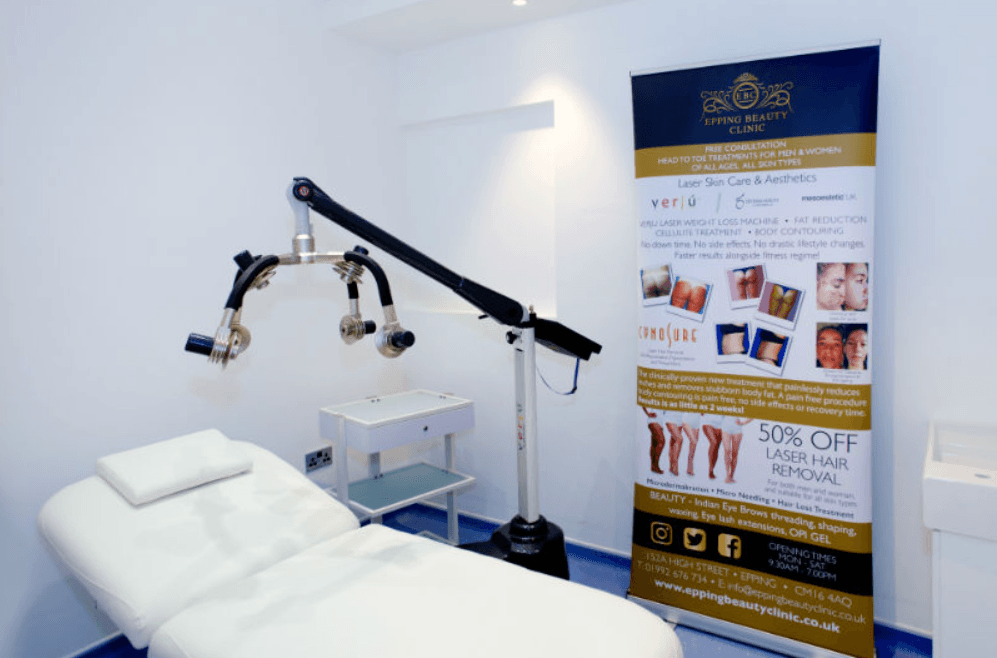
Epping Beauty Clinic
star
4.5
(61 reviews)
£££
CM16 4AF, 118a High Street, EppingCM16 4AF, 118a High Street, Epping
Get directionsGet directions to Epping Beauty Clinic
My experience with Epping Beauty Clinic has been nothing but outstanding! I've now had two laser hair removal treatments and have mind blowing results, truly! The staff are so kind and make you feel super comfortable and at ease. They are very good at communication and easy to contact for appointments or any changes.

I'm super excited to see the full results of my treatment considering the amazing results already! I highly recommend!

My experience with Epping Beauty Clinic has been nothing but outstanding! I've now had two laser hair removal treatments and have mind blowing results, truly! The staff are so kind and make you feel super comfortable and at ease. They are very good at communication and easy to Read more

Carboxy Therapy - Medical

£100
New to Carboxytherapy?

New to Carboxytherapy?

Learn what this treatment is and how it works.

Explore Guides
About Carboxytherapy

About Carboxytherapy

If you're looking for Carboxytherapy in Brentwood, MARBL makes it easy to compare medical-led clinics in one place. You can compare 4+ clinics for Carboxytherapy in Brentwood side by side. Prices typically range from around £100 to £350, depending on the clinic, treatment area and number of sessions. All clinics on MARBL are medical-led and carefully vetted – we list only around 10% of clinics in the UK that meet our safety and quality standards. Browse verified reviews and book your appointment online in just a few clicks.

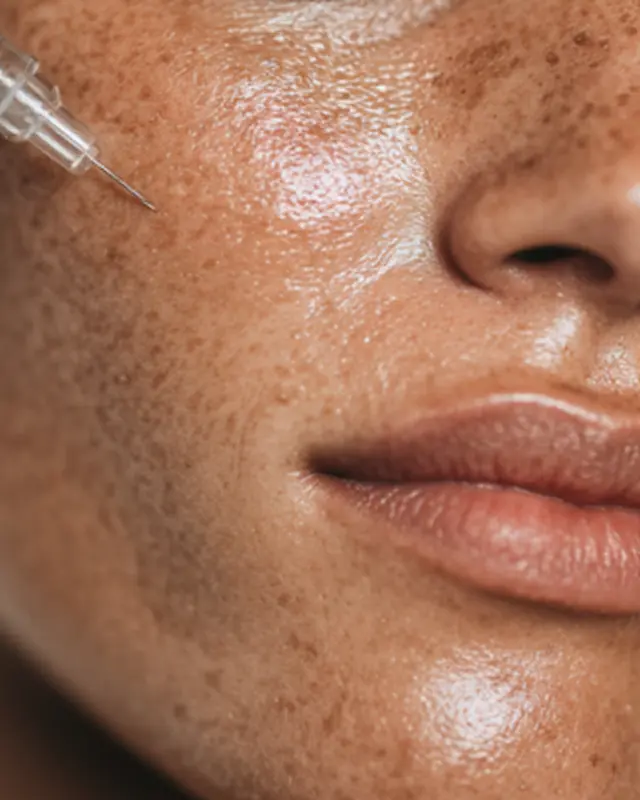
Carboxytherapy treatments involve controlled injection of medical-grade carbon dioxide gas to improve circulation, stimulate collagen, and address concerns like dark circles, cellulite, and skin laxity. These innovative procedures work by triggering increased oxygen delivery and metabolic activity in treated areas, promoting tissue regeneration and fat reduction. The versatile treatments can target facial and body concerns, offering both aesthetic and therapeutic benefits through enhanced circulation and cellular function.

Clinics on MARBL offering carboxytherapy are carefully vetted for skin treatment expertise, safety protocols, and comprehensive rejuvenation capabilities. Treatments are performed by trained skin specialists with expertise in advanced treatment protocols, skin assessment, and comprehensive rejuvenation approaches. On each clinic page, you'll find detailed information about practitioner qualifications, treatment approaches, and guidance on achieving optimal results through professional care and comprehensive treatment support.

Sessions typically take 15-30 minutes per treatment area, with initial improvements visible within 2-3 weeks and optimal results achieved after completing 6-10 session series. MARBL gives you everything you need to book confidently: transparent pricing, real-time availability, verified reviews, and certified carboxytherapy specialists near you.
Aesthetic treatments similar to Carboxytherapy that may interest you

other popular treatments

Anti-Wrinkle Injections

Anti-Wrinkle Injections

£30-£566
Book Now
Lip Filler

Lip Filler

£120-£600
Book Now
Dermal Fillers

Dermal Fillers

£41-£550
Book Now
Profhilo

Profhilo

£250-£760
Book Now
Chemical Peels

Chemical Peels

£50-£1,520
Book Now
HydraFacial

HydraFacial

£70-£325
Book Now
Microneedling

Microneedling

£150-£1,488
Book Now
Skin Boosters

Skin Boosters

£149-£600
Book Now

FAQs

Carboxytherapy is a non-surgical cosmetic treatment that involves injecting small amounts of medical-grade carbon dioxide (CO2) gas under the skin to improve blood circulation, stimulate collagen production and rejuvenate tissue. The treatment is used for various aesthetic concerns including dark under-eye circles, cellulite, stretch marks and skin rejuvenation. How carboxytherapy works involves using a fine needle to inject sterile CO2 gas subcutaneously (under the skin); the injected gas causes temporary hypoxia (oxygen deficiency) in the treated area; this triggers the body to increase blood flow and oxygen delivery; improved circulation enhances tissue health and regeneration; and the treatment stimulates collagen and elastin production. The biological response to carboxytherapy shows CO2 injection causing temporary local oxygen deficiency; the body interpreting this as tissue needing more oxygen; blood vessels dilating to increase circulation; growth factors being released; fibroblasts being activated to produce collagen; and improved tissue metabolism and regeneration. Common uses for carboxytherapy include dark circles under eyes being one of the most popular applications; cellulite reduction on thighs and buttocks; stretch marks showing improvement with treatment series; skin laxity and ageing; localized fat deposits; scars including surgical and acne scars; and hair loss in some protocols. The treatment origins show carboxytherapy being developed in France in the 1930s; originally used to treat circulatory disorders; adapted for aesthetic uses in the 1990s; popular in Europe and South America; and gaining recognition in UK and US markets. A typical carboxytherapy session involves cleansing the treatment area; marking injection points; using a fine needle or specialized device to inject CO2; multiple small injections across the area; treatment taking 15 to 30 minutes; and immediate return to normal activities.

In Brentwood, the price of Carboxytherapy typically ranges from around £200 to £200, but prices vary between clinics. Local cost differences are driven by the treatment area, the number of sessions recommended, practitioner experience and clinic location, plus any additional aftercare or package pricing. If you’re checking how much Carboxytherapy costs in Brentwood, consider whether clinics offer course pricing for the best results and compare practitioner qualifications when estimating the cost of Carboxytherapy overall. You can find the exact, up-to-date price for this treatment in the catalogue

Carboxytherapy works by injecting medical-grade carbon dioxide gas under the skin, which triggers a cascade of beneficial biological responses including increased blood flow, enhanced oxygenation, collagen stimulation and improved tissue metabolism, ultimately rejuvenating the treated area. The mechanism begins with sterile CO2 gas being injected using a fine needle; the gas diffusing into surrounding tissue; temporary local hypoxia (oxygen deficiency) occurring; and the body responding to improve tissue oxygenation. The vascular response shows CO2 causing blood vessels to dilate; increased blood flow to the treated area; improved oxygen delivery to tissues; enhanced removal of waste products; and better overall tissue perfusion. The cellular effects include fibroblasts being stimulated to produce collagen; elastin production increasing; tissue remodeling occurring; cell metabolism improving; and growth factors being released. Why CO2 specifically works relates to CO2 being a natural vasodilator; the body having evolved responses to increased CO2; the gas being harmless and quickly absorbed; its effects being predictable and controllable; and medical-grade CO2 being completely safe. The timeline of biological effects shows immediate vasodilation within minutes; increased blood flow for hours after treatment; cellular responses activating over days; collagen production increasing over weeks; and cumulative effects building over treatment series. How carboxytherapy addresses specific concerns includes dark circles improving through enhanced circulation reducing blood pooling and stimulating collagen to thicken thin under-eye skin; cellulite reducing through improved circulation, collagen remodeling and possibly affecting fat cells; stretch marks improving via collagen stimulation and tissue regeneration; and skin rejuvenation occurring through increased blood flow, collagen production and enhanced tissue health. The difference between carboxytherapy and other treatments shows it working through natural biological responses rather than heat or damage; being less invasive than surgery or lasers; stimulating the body's own healing mechanisms; and providing gradual, natural-looking improvement. Why multiple sessions are needed relates to effects being cumulative; each treatment building upon previous sessions; collagen production taking time; and optimal results requiring treatment series. The administered CO2 is completely harmless and is the same gas we exhale; it is quickly absorbed and eliminated through normal respiration; no foreign substances remain in the body; and the treatment stimulates natural healing processes.

Yes, carboxytherapy works for various aesthetic concerns, with clinical evidence and patient outcomes demonstrating effectiveness particularly for dark under-eye circles, cellulite reduction and stretch mark improvement when proper protocols are followed over a treatment series. However, results vary between individuals and conditions. Evidence supporting carboxytherapy effectiveness includes clinical studies showing improvement in dark circles; research demonstrating cellulite reduction; patient satisfaction in multiple studies; proven mechanism of action through circulation and collagen stimulation; and decades of use in aesthetic medicine. What carboxytherapy effectively treats shows dark under-eye circles improving in 60% to 80% of patients with proper treatment; cellulite showing visible reduction with treatment series; stretch marks becoming less noticeable and textured; skin quality and firmness improving; and localized circulation-related concerns benefiting. Clinical evidence for specific applications includes studies on periorbital dark circles showing significant improvement; cellulite research demonstrating measurable reduction in appearance; stretch mark studies showing improvement in color and texture; and skin rejuvenation protocols proving collagen stimulation. Factors affecting how well carboxytherapy works for you include the specific concern being treated and its severity; consistency with completing treatment series; individual response to CO2 stimulation; practitioner technique and experience; realistic expectations about improvement; and lifestyle factors affecting circulation and healing. Carboxytherapy works best for dark circles with vascular or circulation causes; mild to moderate cellulite; newer stretch marks responding better than old ones; skin laxity and quality concerns; and people committed to treatment series. Limitations of carboxytherapy effectiveness show it not being a miracle cure for severe concerns; results being gradual and cumulative; some people responding better than others; maintenance treatments being needed; and it working best as part of comprehensive approach. Comparing carboxytherapy to alternatives shows it being less aggressive than surgery; more natural than some injectable treatments; requiring multiple sessions unlike single-treatment procedures; and being relatively affordable for ongoing treatment. Realistic expectations about carboxytherapy working include understanding results develop gradually over weeks to months; a series of treatments is necessary; improvement is visible but not dramatic transformation; maintenance sustains benefits; and individual results vary. Success rates show appropriate candidates with suitable concerns experiencing visible improvement; dark circles being particularly responsive; cellulite showing moderate reduction; and overall satisfaction when expectations are realistic. For most people with circulation-related aesthetic concerns who complete proper treatment protocols, carboxytherapy provides meaningful improvement through safe, biologically-based mechanisms.

Yes, carboxytherapy is generally safe when performed by qualified practitioners using proper protocols and medical-grade CO2. The treatment has been used for decades with an excellent safety record, though as with any injection-based procedure, some minor risks exist that are minimized with appropriate technique. The safety profile of carboxytherapy includes using medical-grade CO2 identical to what we naturally exhale; the gas being quickly absorbed and eliminated through breathing; no foreign substances or chemicals remaining in the body; decades of use in medical and aesthetic applications; and serious complications being very rare with proper technique. Why carboxytherapy is safe relates to CO2 being a natural, non-toxic gas; the body having evolved mechanisms to handle CO2; small volumes being used per treatment; rapid elimination through normal respiration; and no accumulation in tissues. Common minor side effects include temporary crackling sensation as gas diffuses through tissue; mild bruising at injection sites; slight swelling lasting hours; temporary discomfort during injection; redness at injection points; and these resolving quickly without intervention. Potential risks though uncommon include infection if sterile technique is not followed; temporary numbness if injection is too deep; pain or significant discomfort from improper technique; skin necrosis in extremely rare cases from vascular compromise; and allergic reactions being virtually unknown with CO2. Safety depends on several factors including proper training and practitioner qualifications; using medical-grade CO2; sterile injection technique; appropriate injection depth and volume; correct treatment protocols; and patient selection and assessment. Contraindications for carboxytherapy include pregnancy and breastfeeding as precaution; recent heart attack or severe heart conditions; uncontrolled hypertension; epilepsy or seizure disorders; kidney failure; acute infections; and certain other medical conditions requiring clearance. Areas requiring special caution show under-eye treatments needing careful technique; avoiding injection into blood vessels; appropriate depth for different body areas; and experienced practitioners for delicate areas. To maximize safety of carboxytherapy, choose qualified practitioners with proper training; ensure medical-grade CO2 is used; verify sterile techniques are followed; disclose complete medical history; follow all aftercare instructions; and report any unusual symptoms. Comparing safety to other treatments shows carboxytherapy being safer than surgical procedures; similar safety to other injectable treatments; lower risk than some laser treatments; and excellent safety record over decades. Long-term safety shows no evidence of long-term harm from CO2 injection; the gas being completely eliminated; ability to have repeated treatments safely; and proven track record in aesthetic medicine. For the vast majority of healthy individuals treated by qualified practitioners, carboxytherapy is a very safe treatment with minimal risk of complications.

Carboxytherapy stimulates the body's natural healing and rejuvenation processes by improving blood circulation, increasing oxygen delivery to tissues, promoting collagen production and enhancing cellular metabolism in treated areas, resulting in improved appearance of various aesthetic concerns. What carboxytherapy does for circulation includes causing blood vessels to dilate; increasing blood flow to treated areas; improving tissue oxygenation; enhancing nutrient delivery to cells; removing metabolic waste more efficiently; and optimizing tissue health through better perfusion. What carboxytherapy does for collagen shows it stimulating fibroblasts to produce new collagen; increasing elastin production; improving skin structure and firmness; enhancing tissue thickness; and promoting tissue remodeling and rejuvenation. What carboxytherapy does for dark circles involves improving circulation to reduce blood pooling; thickening thin under-eye skin through collagen stimulation; reducing dark pigmentation appearance; improving drainage; and brightening the under-eye area. What carboxytherapy does for cellulite includes improving circulation in affected areas; stimulating collagen to improve skin structure; possibly affecting adipocytes (fat cells); improving skin texture and firmness; and reducing the dimpled appearance. What carboxytherapy does for stretch marks shows it stimulating collagen production to rebuild damaged tissue; improving blood flow to scars; enhancing tissue regeneration; improving texture and appearance; and helping skin remodel. What carboxytherapy does for skin rejuvenation involves increasing collagen and elastin production; improving skin texture and firmness; enhancing overall skin quality; improving hydration through better circulation; and promoting cellular renewal. The immediate effects of carboxytherapy include temporary tissue distension from gas; feeling of tightness or crackling; mild warmth from increased circulation; and slight swelling resolving within hours. The progressive effects over treatment series show gradual improvement in circulation; cumulative collagen production; tissue remodeling developing; visible reduction in concerns; and enhanced overall tissue health. What carboxytherapy cannot do includes not eliminating severe cellulite completely; not removing deep wrinkles; not replacing surgical procedures for severe laxity; not providing instant dramatic results; and not being permanent without maintenance. The biological cascade triggered includes immediate vasodilation; increased blood flow for hours; cellular activation over days; collagen production over weeks; and tissue remodeling over months. Most people appreciate that carboxytherapy works with the body's natural processes to provide gradual, natural-looking improvement in circulation-dependent aesthetic concerns.

Carboxytherapy facial is the application of CO2 injection technique to the face for skin rejuvenation, addressing concerns like fine lines, skin laxity, under-eye darkness and overall skin quality through improved circulation and collagen stimulation. The facial treatment is less common than under-eye carboxytherapy but gaining popularity for whole-face rejuvenation. How facial carboxytherapy differs from other applications shows it using smaller volumes of CO2; requiring more delicate technique on facial skin; focusing on skin quality and rejuvenation; treating fine lines and texture; and being performed more superficially than body treatments. What facial carboxytherapy can treat includes fine lines and wrinkles through collagen stimulation; skin laxity and firmness concerns; overall skin texture and quality; dull or aging skin; under-eye concerns including dark circles and fine lines; and facial rejuvenation and glow enhancement. The facial carboxytherapy procedure involves cleansing the face thoroughly; marking treatment areas or using systematic grid; injecting small amounts of CO2 across treatment zones; using very fine needles for comfort; treating specific concerns or whole face; and the session taking 20 to 40 minutes. Treatment protocols for facial carboxytherapy show initial series of 6 to 10 sessions recommended; treatments spaced 1 to 2 weeks apart; maintenance every 4 to 8 weeks; and cumulative improvement over the series. Expected results from facial carboxytherapy include improved skin texture and smoothness; enhanced firmness and elasticity; reduced appearance of fine lines; brighter, more radiant complexion; improved overall skin quality; and more youthful appearance. Facial carboxytherapy compared to other facial treatments shows it being gentler than aggressive peels or lasers; providing gradual natural improvement; stimulating natural collagen production; having minimal to no downtime; and working through biological mechanisms. Suitable candidates for facial carboxytherapy include people with fine lines and early aging signs; those wanting natural skin rejuvenation; patients with skin laxity concerns; people seeking alternative to more aggressive treatments; and those committed to treatment series. Contraindications specific to facial treatment include very thin skin requiring extreme care; active facial infections or herpes; recent facial surgery; and unrealistic expectations about dramatic results. The appeal of facial carboxytherapy relates to natural approach working with the body; minimal downtime and recovery; gradual improvement appearing natural; stimulation of your own collagen; and relatively gentle compared to ablative treatments. Most people find facial carboxytherapy provides subtle but real improvement in skin quality and firmness, particularly appreciated by those seeking natural-looking rejuvenation without aggressive interventions.

Carboxytherapy is used for multiple aesthetic and medical applications including treating dark under-eye circles, reducing cellulite appearance, improving stretch marks, skin rejuvenation, localized fat reduction, scar improvement and hair loss treatment, with the technique adapted based on the specific concern being addressed. Primary aesthetic uses include dark circles and periorbital rejuvenation being the most common and responsive application; cellulite reduction on thighs, buttocks and abdomen; stretch mark improvement particularly for newer marks; skin laxity and aging concerns; localized fat deposits though evidence is mixed; and overall skin quality enhancement. Medical applications show carboxytherapy being used for chronic wounds and ulcers in some medical settings; peripheral vascular disease treatment; Raynaud's phenomenon; and other circulatory disorders, though aesthetic uses are more common now. How carboxytherapy is adapted for different uses includes under-eye treatment using very fine needles, small volumes and superficial injection; cellulite treatment using larger volumes, deeper injection and systematic grid patterns; stretch marks requiring direct injection into scar tissue; skin rejuvenation using superficial injection across treatment areas; and each application requiring specific protocols. Emerging applications of carboxytherapy show hair loss treatment through scalp injections stimulating circulation; acne scar improvement; post-surgical scar treatment; psoriasis in some protocols; and other investigational uses. The versatility of carboxytherapy relates to its fundamental mechanism of improving circulation and stimulating tissue regeneration applying to various concerns; the technique being adaptable to different body areas; treatment depth and volume being adjustable; and minimal risk allowing experimentation with applications. Evidence strength by application shows dark circles having strongest clinical evidence; cellulite having moderate evidence with visible results; stretch marks showing improvement in studies; skin rejuvenation having emerging evidence; and other applications being less well-studied. What makes carboxytherapy suitable for multiple applications includes its safety allowing use on various body areas; the biological mechanism being relevant to diverse concerns; adaptability of technique; minimal side effects; and cumulative benefits applying broadly. Patient selection by application shows dark circles being best indication with highest success rates; cellulite responding well to treatment series; stretch marks needing realistic expectations; and experimental uses requiring informed consent. Most practitioners specialize in specific carboxytherapy applications, particularly under-eye treatment and cellulite reduction where evidence and techniques are most established.

Carboxytherapy causes some discomfort during injection, with most people rating pain as mild to moderate depending on the treatment area, their pain tolerance and whether numbing is used. The sensation is generally tolerable and brief, with discomfort stopping immediately after the injections are complete. What carboxytherapy feels like includes the needle prick causing brief sharp sensation; pressure or stretching feeling as gas is injected; possible crackling sensation as CO2 diffuses; temporary tightness or fullness in treated area; and mild burning or stinging in some cases. Pain levels by treatment area show under-eye treatment being more sensitive with ratings of 4 to 6 out of 10; body treatments for cellulite being more tolerable at 3 to 5 out of 10; stretch mark treatment potentially more uncomfortable at injection into scar tissue; and individual tolerance varying significantly. Factors affecting carboxytherapy pain include the treatment area and skin sensitivity; volume of CO2 injected per point; injection depth and technique; practitioner skill and speed; use of topical numbing; and anxiety level affecting pain perception. Pain management for carboxytherapy involves topical numbing cream applied before under-eye treatments; ice packs before and after injection; taking over-the-counter pain relief beforehand if recommended; breathing techniques and relaxation; and the brief nature of each injection making it tolerable. What makes the discomfort manageable includes each injection point being quick; the crackling sensation being unusual but not painful; discomfort ending immediately after treatment; no lingering significant pain; and results being worth brief discomfort for most people. After carboxytherapy, sensitivity shows mild tenderness at injection sites for hours; possible aching or tightness; minimal actual pain; and most people resuming activities immediately. Comparing carboxytherapy pain to other treatments shows it being more uncomfortable than topical treatments; similar to other injection procedures; less painful than laser treatments; much less than surgical procedures; and brief compared to recovery pain from surgery. Managing expectations about discomfort involves knowing what sensations to expect; understanding pain is temporary; acknowledging individual variation; and focusing on treatment goals. Strategies for tolerating carboxytherapy include communicating with practitioner about discomfort; requesting breaks if needed; using pain management options; staying relaxed during treatment; and remembering each session becomes easier. Most people find carboxytherapy discomfort to be tolerable, particularly for under-eye treatment where results are most visible, and the brief nature of injections makes it acceptable given the potential benefits.

Yes, carboxytherapy can work on stretch marks, with clinical studies and patient outcomes showing improvement in appearance, texture and color, particularly for newer stretch marks. However, results are gradual, require multiple treatments and are more modest than dramatic, with realistic expectations being essential. How carboxytherapy helps stretch marks involves injecting CO2 directly into the stretch mark tissue; improved circulation bringing nutrients for healing; stimulation of collagen production to rebuild damaged tissue; enhanced tissue remodeling and regeneration; and gradual improvement in texture and appearance. Clinical evidence for stretch marks shows studies demonstrating improvement in color and texture; patient satisfaction with visible reduction; newer stretch marks responding better than old ones; and treatment series being necessary for optimal results. What improvement looks like for stretch marks includes stretch marks becoming less red or purple; texture becoming smoother and less depressed; width of marks potentially narrowing; overall appearance becoming less noticeable; and blending better with surrounding skin. Factors affecting results on stretch marks include age of stretch marks, with newer ones responding better; severity and depth of tissue damage; skin type and healing capacity; number of treatments completed; consistency with treatment schedule; and realistic expectations about improvement versus elimination. The typical treatment protocol for stretch marks involves 6 to 10 sessions or more; treatments spaced 1 to 2 weeks apart; CO2 being injected along length of each mark; sometimes combined with other treatments; and maintenance potentially needed. Realistic expectations about stretch mark treatment show significant fading and texture improvement being possible; complete elimination being unlikely; improvement being gradual over months; multiple treatments being essential; and some residual marks likely remaining. Carboxytherapy compared to other stretch mark treatments shows it being less aggressive than laser treatments; more natural than some topical options; requiring multiple sessions like microneedling; possibly combined with other modalities; and providing moderate improvement. When carboxytherapy is most effective for stretch marks includes treating newer red or purple marks; mild to moderate stretch marks; marks on various body areas; and as part of comprehensive treatment approach. Limitations for stretch mark treatment show very old white stretch marks being more resistant; severe deep marks having limited improvement; complete removal being unrealistic; and patience being required for visible results. Cost and commitment considerations show stretch mark treatment requiring significant time investment; multiple sessions adding up in cost; results taking months to develop; and weighing against accepting marks or trying alternatives. Most people with stretch marks find carboxytherapy provides visible improvement though not elimination, with newer marks responding best and realistic expectations being key to satisfaction with gradual improvement in appearance over a treatment series.

Carboxytherapy for dark circles is one of the most popular and effective applications of the treatment, using CO2 injections under the eyes to improve circulation, thicken thin skin, stimulate collagen production and reduce the appearance of dark, hollow under-eye areas. This is considered the primary indication for carboxytherapy with the strongest evidence. How it works for dark circles involves injecting small amounts of CO2 into the under-eye area; improved blood flow reducing venous congestion and blood pooling; stimulation of collagen thickening the thin under-eye skin; enhanced circulation improving dark pigmentation; drainage improvement reducing puffiness; and overall rejuvenation of the periorbital area. Why dark circles respond well to carboxytherapy relates to many dark circles being caused by poor circulation; thin skin showing underlying blood vessels; CO2 directly addressing these circulatory issues; collagen stimulation thickening the skin; and the cumulative effects being particularly visible in this delicate area. The under-eye treatment procedure involves cleansing the eye area; sometimes applying topical numbing cream; using very fine needles; injecting small amounts of CO2 along the under-eye area; typically 3 to 5 injection points per eye; and the process taking 10 to 15 minutes. Treatment protocols for dark circles show initial series of 6 to 8 sessions being standard; treatments spaced 1 to 2 weeks apart; progressive improvement over the series; and maintenance every 4 to 8 weeks to sustain results. Expected results from under-eye carboxytherapy include lighter, brighter under-eye area; reduced dark pigmentation; thicker, healthier-appearing skin; improved skin quality; less hollow or sunken appearance; and overall more refreshed look. Success rates for dark circles show 60% to 80% of patients experiencing significant improvement; vascular-type dark circles responding best; pigmentation-related darkness improving moderately; and high satisfaction when expectations are realistic. Types of dark circles and response show vascular dark circles from blood pooling responding excellently; thin skin-related darkness improving well with collagen stimulation; pigmentary dark circles showing moderate improvement; and structural hollowing having limited response. Factors affecting results for dark circles include the underlying cause of darkness; skin thickness and quality; consistency with treatment series; lifestyle factors affecting circulation; realistic expectations; and maintenance commitment. Comparing to other under-eye treatments shows carboxytherapy being less invasive than surgery; more natural than dermal fillers; requiring more sessions than some alternatives; having minimal downtime; and providing gradual natural improvement. Most people seeking dark circle treatment find carboxytherapy to be one of the most effective non-surgical options, particularly for circulation-related darkness, with natural-looking improvement developing over the treatment series.

No, carboxytherapy is not permanent. The treatment stimulates temporary improvements in circulation and collagen production that gradually diminish over time, requiring maintenance treatments to sustain results. Most people need ongoing sessions every few months to maintain optimal benefits. Why carboxytherapy results are not permanent relates to the treatment stimulating natural processes that are temporary; circulation improvements fading over time; collagen production requiring ongoing stimulation; natural aging continuing regardless of treatment; and the need for maintenance to sustain benefits. How long results last shows initial improvements visible after completing treatment series; optimal results maintained for 3 to 6 months typically; gradual diminishing after 6 to 9 months; and return toward baseline by 12 months without maintenance. Duration by treatment area indicates under-eye improvements potentially lasting 6 to 9 months; cellulite reduction needing maintenance every 3 to 6 months; stretch mark improvements possibly being longer-lasting; and skin rejuvenation requiring regular maintenance. Factors affecting how long results last include the initial number of treatments completed; your age and natural collagen production; lifestyle factors affecting circulation; the specific concern being treated; consistency with maintenance; and individual biological response. The maintenance requirements show most people needing sessions every 3 to 6 months; under-eye treatment often requiring maintenance every 2 to 3 months; cellulite maintenance being ongoing; and frequency being individualized. Why ongoing treatment is necessary relates to the stimulated circulation returning to baseline; collagen production slowing without continued stimulation; natural aging processes continuing; and cumulative benefits being maintained through regular sessions. Comparing permanence to other treatments shows carboxytherapy being less permanent than surgery; similar duration to many injectable treatments; requiring more frequent maintenance than some procedures; but avoiding permanent surgical changes; and allowing treatment adjustment over time. The temporary nature has advantages including ability to adjust treatment as needed; no permanent changes if you discontinue; flexibility to modify approach; and natural regression if you stop. Cost implications of non-permanent results show ongoing investment for sustained improvement; cumulative expense over years; maintenance being factored into budget; and weighing ongoing cost against benefits. Realistic expectations about permanence include understanding initial results fade without maintenance; regular treatments sustaining benefits; lifetime commitment if wanting sustained results; and viewing it as ongoing skincare investment. Most people who achieve good results from carboxytherapy continue with maintenance treatments to sustain their improvements, accepting the temporary nature as part of choosing non-permanent aesthetic treatments over surgical alternatives.

Carboxytherapy results typically last 3 to 9 months after completing an initial treatment series, with most people maintaining optimal benefits for 4 to 6 months before gradual fading occurs. Maintenance treatments are needed every 2 to 6 months to sustain results, depending on the area treated and individual factors. The results timeline shows initial improvement visible after 3 to 4 sessions; optimal results at the end of treatment series (6 to 10 sessions); peak benefits maintained for 3 to 6 months; gradual diminishing between 6 to 9 months; and return toward baseline by 12 months without maintenance. Duration by specific application shows under-eye dark circle improvement lasting 4 to 8 months typically; cellulite reduction needing maintenance every 3 to 6 months; stretch mark improvement potentially being longer-lasting; skin rejuvenation requiring regular maintenance; and individual variation being significant. Why carboxytherapy effects are temporary relates to circulation improvements being temporary; stimulated collagen production slowing over time; the treatment not preventing aging; natural biological processes continuing; and ongoing maintenance being necessary. Factors affecting how long carboxytherapy lasts include the number of initial treatments completed; your age and baseline collagen production; lifestyle factors including smoking, diet and exercise; the specific concern and severity; treatment technique and CO2 volume; and individual biological response. Maximizing carboxytherapy longevity involves completing the full initial treatment series; scheduling maintenance before results fully fade; maintaining healthy lifestyle supporting circulation; protecting skin from damage; staying hydrated; and consistency with maintenance protocol. The maintenance schedule shows most people benefiting from sessions every 3 to 4 months; under-eye treatment often needing more frequent maintenance; cellulite requiring ongoing treatment; and individual scheduling based on when benefits begin fading. Cumulative effects with long-term treatment show regular maintenance potentially providing better baseline; tissue health improving over time with consistent treatment; and long-term benefits from ongoing circulatory stimulation. Comparing carboxytherapy duration to other treatments shows it lasting longer than some injectables like Botox (3 to 4 months); similar to many dermal fillers (6 to 12 months); shorter than surgical procedures; and requiring more frequent maintenance than some treatments. Cost considerations for temporary results include ongoing investment for maintenance; cumulative expense over years; budgeting for regular sessions; and weighing against one-time surgical costs. For most people who respond well to carboxytherapy, results last approximately 4 to 6 months optimally, with maintenance every 3 to 4 months providing sustained benefits and making it a medium-term rather than permanent solution.

Carboxytherapy should be performed by qualified medical professionals including doctors, nurses or trained aesthetic practitioners who have received specific training in the technique, understand the anatomy and can handle potential complications. The level of training and regulation varies by country and specific application. Qualified practitioners for carboxytherapy include doctors (GPs, dermatologists, aesthetic physicians) who can perform any carboxytherapy application; nurses with appropriate training and prescriber status; aesthetic practitioners with medical training; and those who have completed specific carboxytherapy certification courses. Training requirements show practitioners needing to understand facial and body anatomy; have injection technique expertise; complete carboxytherapy-specific training; understand contraindications and complications; and maintain sterile technique. Regulation of carboxytherapy varies by country, with some countries requiring medical professionals only; UK allowing trained nurses and prescribers; regulatory frameworks still developing in many places; and medical oversight being important. Why proper training matters relates to carboxytherapy requiring precise injection technique; understanding of depth and volume; knowledge of anatomy avoiding complications; ability to handle adverse events; and optimization of results through proper protocols. Red flags for unqualified practitioners include lack of medical credentials; inability to explain training; no emergency protocols; extremely low prices suggesting inadequate training; and unwillingness to discuss qualifications. Questions to ask practitioners include what is your medical background; what carboxytherapy training have you completed; how many treatments have you performed; what are potential complications; how do you handle adverse events; and can you provide before and after photos. Carboxytherapy by specific application shows under-eye treatment requiring most skill due to delicate area; body treatments potentially allowing wider practitioner base; facial treatments needing aesthetic expertise; and complex cases requiring medical oversight. The importance of medical supervision relates to carboxytherapy being an injection-based treatment; potential for complications requiring medical intervention; proper patient assessment and contraindication screening; and emergency response capability. Comparing to other treatments shows carboxytherapy having similar practitioner requirements to dermal fillers; being less regulated than some medical procedures; requiring specific training beyond general injection skills; and benefiting from medical oversight. Patient responsibility in practitioner selection involves verifying credentials and training; ensuring proper clinical environment; checking reviews and outcomes; not choosing based on price alone; and asking questions about experience. Most reputable carboxytherapy practitioners have medical backgrounds, specific training in the technique and experience with the particular application you are seeking, providing both safety and optimal results.

Before carboxytherapy treatment, people typically have dark under-eye circles making them look tired and aged; visible cellulite on thighs, buttocks or abdomen affecting body confidence; stretch marks from pregnancy or weight changes; skin laxity and aging concerns; hollow or sunken under-eye areas; uneven skin texture; and frustration with concerns that have persisted despite topical treatments and lifestyle changes. These issues often significantly impact confidence and how people feel about their appearance. After carboxytherapy treatment, following completion of a recommended initial series (typically 6 to 10 sessions spaced 1 to 2 weeks apart for most applications) and allowing time for collagen production and tissue remodeling (usually assessed at 1 to 3 months after series completion), most appropriate candidates experience noticeable improvements. Common results for under-eye treatment include significantly lighter, brighter under-eye area; reduced dark pigmentation and shadowing; thicker, healthier-appearing under-eye skin; less hollow or sunken appearance; fewer visible blood vessels; and overall more refreshed, youthful look. Results for cellulite treatment show visible reduction in dimpled appearance; smoother skin texture over treated areas; improved skin firmness; less pronounced cellulite; enhanced body contours; and increased confidence in affected areas. Results for stretch mark treatment demonstrate stretch marks becoming lighter in color; improved texture becoming smoother; marks appearing less wide or deep; better blending with surrounding skin; and overall less noticeable appearance. The improvement timeline shows that during weeks 1 to 3 with initial treatments, minimal visible change as biological processes begin; during weeks 3 to 6 with ongoing treatments, early improvement becoming noticeable; during weeks 6 to 10 completing series, progressive enhancement developing; and at 1 to 3 months post-series, optimal results as collagen remodeling completes. The degree of improvement depends on the specific concern and baseline severity; consistency with completing full treatment series; individual response to CO2 stimulation; age and natural healing capacity; lifestyle factors affecting circulation; maintenance treatment commitment; and realistic expectations about gradual improvement. Typical measurable outcomes show dark circles lightening by 40% to 70% in responders; cellulite appearance reducing by 30% to 50%; stretch marks improving 30% to 60% in color and texture; and overall skin quality enhancement being visible. Before and after expectations should be realistic: carboxytherapy provides gradual, natural-looking improvement rather than dramatic instant transformation; results require completing the full treatment series; improvement is significant but not perfection; maintenance treatments are necessary to sustain benefits every 3 to 6 months; and individual results vary significantly based on multiple factors. Factors affecting satisfaction with results include having appropriate concerns that carboxytherapy addresses; completing recommended treatment series without gaps; maintaining regular sessions for optimal results; having realistic expectations about moderate improvement; choosing experienced practitioners; and understanding the cumulative, gradual nature of results. Most satisfied carboxytherapy patients are those treating dark circles or cellulite with noticeable baseline concerns; who complete their full initial series and maintenance; appreciate natural-looking gradual improvement; understand results are temporary requiring ongoing treatment; and view carboxytherapy as worthwhile investment in their appearance and confidence. Carboxytherapy can provide meaningful improvement in circulation-dependent aesthetic concerns, with under-eye treatment showing particularly impressive results that motivate many people to maintain regular sessions for sustained benefits.