broken capillaries treatment
London

Broken capillaries treatment in London

Book from 1+ сlinics near you
Image placeholder
star
5.0
(156 reviews)
£££
SW6 6EA, LondonSW6 6EA, London
Get directionsGet directions VIZAGE
For several years I have been seeing Dr Jasmin for Botox. I am a woman in her fifties and have been to see a few Doctors. Some quite well known. I have never come across a Doctor who is so completely consistent, skilled, experienced, thorough and knowledgeable. Dr Jasmin is also very kind and patient. It’s a bonus that her beautifully designed clinic is by far the best I have been to.

For several years I have been seeing Dr Jasmin for Botox. I am a woman in her fifties and have been to see a few Doctors. Some quite well known. I have never come across a Doctor who is so completely consistent, skilled, experienced, thorough and knowledgeable. Dr Jasmin is also very kind and patient. It’s a bonus that her beautifully designed clinic is by far the best I have been to.

New to Vein Removal (Sclerotherapy)?

New to Vein Removal (Sclerotherapy)?

Learn what this treatment is and how it works.

Learn more

reviews

Danijela Grubac-0-starDanijela Grubac-1-starDanijela Grubac-2-starDanijela Grubac-3-starDanijela Grubac-4-star

I get Laser Genesis with Anika and have had several treatments now. Anika is super knowledgable and kind, and I feel very comfortable with her. Laser Genesis Excel V+ has been the best treatment I've ever had for redness/visible capillaries. Would definitely recommend!

Danijela Grubac

Danijela Grubac

November 17
About Broken capillaries treatment

About Broken capillaries treatment

If you're looking for Broken capillaries treatment in London, MARBL makes it easy to compare medical-led clinics in one place. You can compare local clinics for Broken capillaries treatment in London without endless searching. Prices typically range from around £113 to £305, depending on the clinic, treatment area and number of sessions. All clinics on MARBL are medical-led and carefully vetted – we list only around 10% of clinics in the UK that meet our safety and quality standards. Browse verified reviews and book your appointment online in just a few clicks.

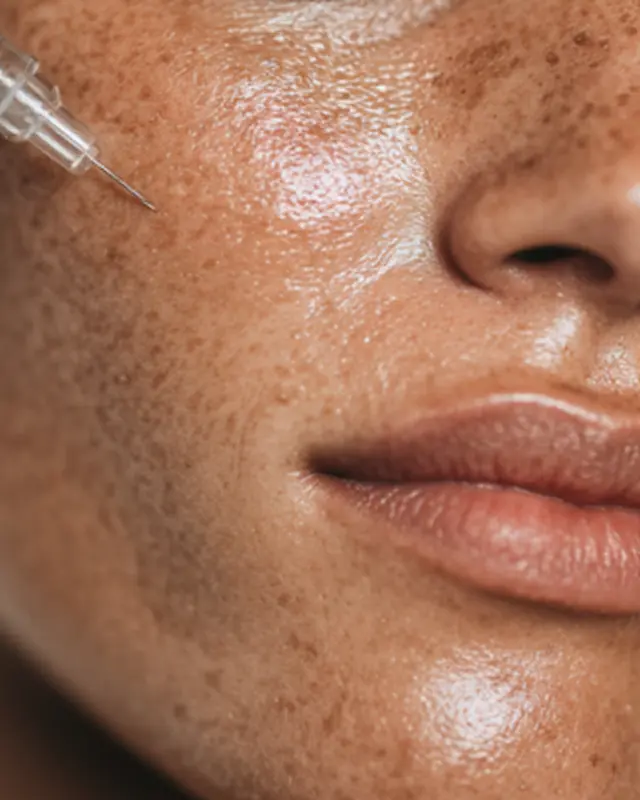
Broken Capillaries Treatment involves injection of sclerosing solution directly into problem veins to close them down and fade their appearance. This proven treatment irritates vein walls, causing them to collapse and be reabsorbed by the body. The injection therapy effectively eliminates visible veins for smoother, clearer skin.

On MARBL, every clinic offering broken capillaries treatment is vetted for treatment expertise, comprehensive safety protocols, and quality care standards. Treatments are performed by trained specialists with expertise in advanced aesthetic procedures. Each clinic listing includes transparent pricing, detailed procedure information, and guidance on achieving optimal results through professional care.

Treatment sessions typically take 30-60 minutes depending on procedure scope, with results timeline varying based on individual response and treatment protocol. You can compare certified specialists near you, check real-time availability, view verified reviews, and book broken capillaries treatment sessions directly through MARBL — achieving your aesthetic goals has never been more convenient.
Aesthetic treatments similar to Broken Capillaries Treatment that may interest you

other popular treatments

Anti-Wrinkle Injections

Anti-Wrinkle Injections

£30-£566
Book Now
Laser Hair Removal

Laser Hair Removal

£25-£725
Book Now
Lip Filler

Lip Filler

£120-£600
Book Now
Dermal Fillers

Dermal Fillers

£41-£550
Book Now
Profhilo

Profhilo

£250-£760
Book Now
Chemical Peels

Chemical Peels

£50-£1,520
Book Now
HydraFacial

HydraFacial

£70-£325
Book Now
Microneedling

Microneedling

£150-£1,488
Book Now

FAQs

The best treatments for broken capillaries on the face are laser and light-based therapies, with IPL (Intense Pulsed Light) and vascular lasers being the most effective options for eliminating visible thread veins and facial redness. The optimal choice depends on the severity, location and extent of your broken capillaries. IPL (Intense Pulsed Light) is excellent for diffuse redness and scattered broken capillaries; it treats larger areas efficiently; it is effective for overall facial redness and rosacea-related vessels; typically 2 to 4 sessions are needed; and it is often the first-line treatment for facial telangiectasia. Vascular lasers provide more targeted treatment options, with Pulsed Dye Laser (PDL) being considered the gold standard for vascular lesions, highly effective for individual vessels and redness, and typically requiring 1 to 3 treatments; Nd:YAG laser being excellent for deeper or larger vessels, suitable for all skin types including darker tones, and effective for resistant capillaries; and KTP laser (532nm) being good for superficial red vessels and fine broken capillaries. Factors determining the best treatment include the size and depth of vessels, with larger or deeper vessels responding better to Nd:YAG; skin type, as darker skin may require specific lasers to avoid pigmentation; location on the face, with delicate areas like nose requiring precision; extent of involvement, whether localised spots or diffuse redness; and underlying conditions like rosacea that may need ongoing management. Many practitioners use combination approaches, using IPL for overall improvement with targeted laser for stubborn individual vessels. Consultation with an experienced practitioner allows assessment of your specific capillaries and recommendation of the most appropriate treatment approach.

In London, the price of Broken Capillaries Treatment typically ranges from around £113 to £542, as costs differ by clinic and location. The cost depends on the size and location of the area treated, the technology or device used (vascular laser, IPL or sclerotherapy), and the number of sessions needed. How much Broken Capillaries Treatment costs in London will also reflect practitioner experience and whether a personalised plan or additional aftercare is required. To compare the price of Broken Capillaries Treatment and the cost of Broken Capillaries Treatment overall among local clinics, review our listings. You can find the exact, up-to-date price for this treatment in the catalogue.

After laser treatment for broken capillaries, you can expect a predictable healing process with temporary effects that resolve over days to weeks, leading to clearer skin as treated vessels fade and disappear. Understanding the normal healing timeline helps set appropriate expectations. Immediately after treatment, treated vessels may appear darker or more prominent initially; surrounding skin may be red and slightly swollen; mild warmth or burning sensation similar to sunburn; possible slight bruising, particularly with certain lasers like PDL; and the area may feel tender to touch. During days 1 to 3, redness and swelling typically peak then begin to subside; treated capillaries may appear darker or purplish as blood coagulates; mild crusting over treated vessels is possible; the area remains sensitive; and cool compresses and gentle skincare help comfort. During days 3 to 7, visible redness continues to fade; darker appearance of treated vessels persists; any bruising begins to resolve; swelling fully subsides; and makeup can typically be worn if needed. During weeks 1 to 4, treated vessels gradually fade and disappear; the body absorbs the damaged vessel tissue; progressive improvement becomes visible; and most people see significant clearing. During weeks 4 to 8, optimal results from treatment become apparent; residual vessels assessed for possible retreatment; and overall improvement is evaluated. Post-treatment care involves applying recommended soothing products; avoiding sun exposure and using SPF 50+ diligently; avoiding heat including hot showers, saunas and exercise for 24 to 48 hours; not picking or scratching treated areas; avoiding harsh skincare products for several days; and following all practitioner instructions. Normal effects not to worry about include temporary darkening of treated vessels; mild swelling and redness; slight bruising, especially with PDL; and temporary sensitivity.

Most people require 2 to 4 IPL treatments to effectively clear broken capillaries, with sessions spaced 3 to 4 weeks apart. The exact number depends on the severity and extent of your capillaries, your skin type and how your vessels respond to treatment. For mild broken capillaries with a few scattered visible vessels and minimal redness, typically 1 to 2 treatments may be sufficient; some people see excellent results after a single session; and touch-ups may be needed for any remaining vessels. For moderate broken capillaries with multiple visible vessels and areas of redness, typically 2 to 3 treatments are needed; progressive improvement occurs with each session; and this represents the most common treatment scenario. For extensive broken capillaries with widespread visible vessels and significant redness, typically 3 to 4 treatments or more may be required; underlying conditions like rosacea may need ongoing management; and combination with other treatments may be beneficial. Factors affecting treatment number include the density and size of capillaries; depth of vessels, as deeper vessels may be more resistant; underlying conditions contributing to vessel formation; your individual response to IPL; and skin type and treatment parameters used. The treatment schedule involves sessions spaced 3 to 4 weeks apart; this allows healing and assessment between treatments; full course typically completed within 2 to 4 months; and results assessed 4 weeks after final treatment. After completing the initial course, many people achieve long-lasting clearance; new capillaries may develop over time requiring maintenance; annual touch-ups may help maintain results; and addressing underlying causes like rosacea helps prevent recurrence.

Children can receive treatment for broken capillaries in certain circumstances, though the approach differs from adult treatment and requires careful consideration of the underlying cause, necessity of treatment and appropriate methods for paediatric patients. Treatment in children is typically considered when there is a medical indication such as port wine stains or haemangiomas; the lesions cause functional problems affecting vision or other functions; significant psychological impact from visible facial lesions; or the condition is likely to worsen without intervention. Common vascular conditions in children that may be treated include port wine stains (capillary malformations), which are present from birth, can darken and thicken with age, benefit from early treatment often starting in infancy, and are typically treated with pulsed dye laser; infantile haemangiomas, which appear in the first weeks of life, often resolve spontaneously by age 5 to 10, may require treatment if affecting function or causing complications, and treatment options include medication (propranolol) and laser; and spider naevi, which are common benign lesions in children, often resolve spontaneously, and treatment is usually not necessary unless persistent and bothersome. Considerations for paediatric treatment include that general anaesthesia or sedation may be needed for young children; treatment should be performed by specialists experienced with paediatric patients; the risk-benefit ratio must favour treatment; parental consent and age-appropriate assent are required; and multiple sessions may be needed for certain conditions. For simple broken capillaries similar to adult telangiectasia, these are less common in children than adults; treatment is usually not necessary or recommended; they may resolve spontaneously; and if treatment is considered, waiting until adolescence or adulthood is often advised. Consultation with a paediatric dermatologist is recommended for any vascular lesion in a child to determine whether treatment is appropriate, necessary and what approach is best.

Several laser treatments effectively get rid of broken capillaries, with the choice depending on vessel size, depth, skin type and location. The main laser options each have specific advantages for different types of facial telangiectasia. Pulsed Dye Laser (PDL) is considered the gold standard for vascular lesions; it targets haemoglobin in blood vessels with 585nm or 595nm wavelength; it is highly effective for red, superficial broken capillaries; it may cause temporary bruising (purpura); and it is excellent for port wine stains and rosacea-related redness. Nd:YAG laser (1064nm) penetrates deeper to reach larger or deeper vessels; it is suitable for blue or purple-appearing vessels; it is safe for all skin types including darker tones; there is less bruising than PDL; and it is excellent for resistant or recurrent capillaries. KTP laser (532nm) targets superficial red vessels effectively; it is good for fine, delicate broken capillaries; it has minimal downtime; and it is often used for facial spider veins and small telangiectasia. IPL (Intense Pulsed Light), while not technically a laser, is highly effective for broken capillaries; it treats larger areas of diffuse redness and scattered vessels; it is often the first choice for general facial telangiectasia; and it requires 2 to 4 treatments typically. How these lasers work involves the light energy being absorbed by haemoglobin in the blood; this heats and damages the vessel wall; the damaged vessel collapses and seals; the body then gradually absorbs the treated vessel; and clear skin remains where the vessel was. Choosing the right laser depends on assessment of your specific vessels; skin type and tone; previous treatment response; practitioner expertise and available equipment; and whether treating isolated vessels or diffuse redness.

Several professional treatments effectively get rid of broken capillaries on the face, with laser and light-based therapies being the most effective options. The appropriate treatment depends on the type, location and extent of your visible vessels. IPL (Intense Pulsed Light) is often the first-line treatment for facial broken capillaries; it is excellent for diffuse redness and multiple scattered vessels; it treats larger areas efficiently in one session; typically 2 to 4 treatments are needed; it has minimal downtime with temporary redness; and it is effective for rosacea-associated telangiectasia. Laser treatments provide targeted options, with Pulsed Dye Laser being the gold standard for vascular lesions and excellent for stubborn individual vessels; Nd:YAG laser being best for deeper or larger vessels and safe for darker skin types; and KTP laser being ideal for fine superficial capillaries. Electrocautery or diathermy involves using electrical current to seal individual vessels; it is good for isolated, small broken capillaries; it requires no special equipment beyond the treatment device; and it may be used for very fine vessels. Topical treatments have limitations, as creams and serums cannot eliminate existing broken capillaries; some products may reduce redness temporarily; and topicals are better for prevention and managing underlying rosacea. What does not work includes home remedies, which cannot remove established broken capillaries; over-the-counter products, which do not eliminate visible vessels; and massage or facial exercises, which will not resolve telangiectasia. For effective treatment, professional intervention with IPL or laser is necessary to actually eliminate broken capillaries. The vessels must be physically destroyed for the body to absorb them and for clear skin to result. Consultation with an experienced practitioner allows assessment of your specific concerns and recommendation of the most appropriate treatment approach.

Before broken capillaries treatment, people typically have visible red or purple thread veins on the face, particularly around the nose, cheeks and chin; diffuse redness or flushing in affected areas; self-consciousness about visible vessels, especially in photographs or bright lighting; frustration with makeup not adequately covering the redness; and in some cases, underlying rosacea contributing to vessel formation and facial redness. These visible capillaries often worsen over time without treatment and can significantly affect confidence. After broken capillaries treatment, following completion of a recommended treatment course (typically 2 to 4 IPL or laser sessions) and allowing full healing, most people experience dramatic improvement. Common results include significantly reduced or eliminated visible broken capillaries; clearer, more even skin tone; reduced overall facial redness; improved confidence about facial appearance; less need for heavy concealing makeup; and refreshed, healthier-looking skin. The healing and results timeline shows that immediately after treatment, temporary redness and possible darkening of treated vessels occur; during days 1 to 7, treated vessels appear darker then gradually fade while surrounding redness subsides; during weeks 2 to 4, significant improvement becomes visible as vessels are absorbed; during weeks 4 to 8, optimal results from treatment session are apparent; and additional sessions if needed address remaining vessels. The degree of improvement depends on the severity and extent of broken capillaries; the number of treatment sessions completed; the underlying cause and whether conditions like rosacea are managed; individual response to treatment; and adherence to post-treatment care and sun protection. Before and after expectations should be realistic: most broken capillaries can be effectively eliminated; very fine or deep vessels may require multiple treatments; underlying conditions like rosacea need ongoing management; new capillaries may develop over time requiring maintenance; and sun protection helps prevent new vessel formation. Most satisfied patients are those who complete the recommended treatment course; understand that multiple sessions may be needed for optimal results; manage underlying contributing conditions; maintain results with sun protection and appropriate skincare; and have realistic expectations about what treatment can achieve. The improvement in facial clarity and reduction in visible redness typically provides significant boost to confidence and satisfaction with facial appearance.

Other cities nearby

Broken capillaries treatment in London | Top Clinics, Reviews & Prices | MARBL