acne scarring
Clitheroe

Acne & scarring in Clitheroe

Book from 4+ сlinics near you
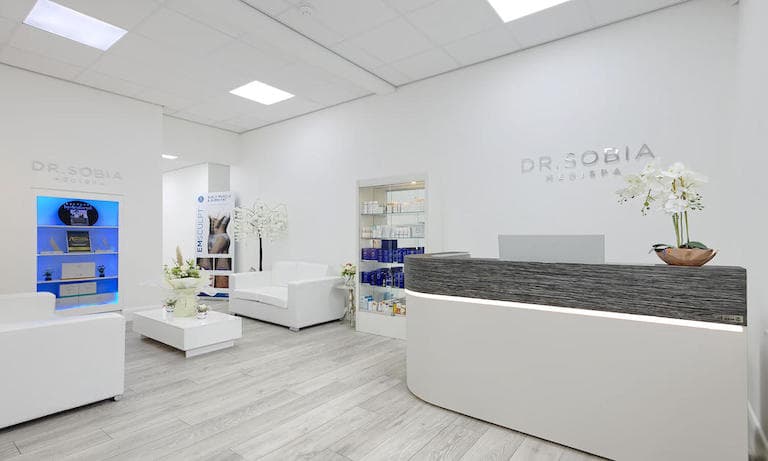
Dr. Sobia Medispa in Clitheroe, Lancashire
star
4.9
(202 reviews)
£££
BB7 2EU, 48 King Street, ClitheroeBB7 2EU, 48 King Street, Clitheroe
Get directionsGet directions to Dr. Sobia Medispa in Clitheroe, Lancashire
Fantastic service and advice given from staff. dr Sobia very friendly along with the all the staff especially Natalie.  All the treatments I have had have really made a difference.

Fantastic service and advice given from staff. dr Sobia very friendly along with the all the staff especially Natalie. All the treatments I have had have really made a difference.

LED - Acne Treatment & Skin Rejuvenation

£40

Scarring ( Acne, Keloid, Atrophic Scars )

£175
Get recommendation

Too Many Options?

Get free advice from our team — we'll help you find the perfect match.

Free consultation
Too Many Options?
RejuvaMed Health & Wellness
star
4.9
(122 reviews)
£££
BB7 1BG, Woone Lane, ClitheroeBB7 1BG, Woone Lane, Clitheroe
Get directionsGet directions to RejuvaMed Health & Wellness
I’ve been to Rejuvamed a few times (across a number of years) for milia removal. Rachel has been lovely every time - chatting away, answering any questions I have and checking I’m comfortable throughout the procedure. The next time I visit will be for a pamper - a hydrafacial - which I’m really looking forward to.

I’ve been to Rejuvamed a few times (across a number of years) for milia removal. Rachel has been lovely every time - chatting away, answering any questions I have and checking I’m comfortable throughout the procedure. The next time I visit will be for a pamper - a Read more

ZO Acne & Oil Control

£80
Discover Laser
star
4.7
(32 reviews)
£££
BB12 0RT, BurnleyBB12 0RT, Burnley
Get directionsGet directions to Discover Laser
Once again a perfect visit to the only people I would ever trust with working on my face.
The professionalism and knowledge is so reassuring. And kindness and caring puts you at ease.
My first visit was many years ago. Numerous treatments since, I’ll will continue to recommend and use.

Once again a perfect visit to the only people I would ever trust with working on my face. The professionalism and knowledge is so reassuring. And kindness and caring puts you at ease. My first visit was many years ago. Numerous treatments since, I’ll will continue to recommend Read more

Medications/Topical Treatments (6-month plan)

£2,000

Combination of treatments for Acne, Keloid, Hypertrophic, Atrophic (Scar Improvement)

£325
BeautiPhi Medispa
BB8 0BP, 61 Albert Road, ColneBB8 0BP, 61 Albert Road, Colne
Get directionsGet directions to BeautiPhi Medispa
First time getting a hydra facial from BeautiPhi. Harriet did my hydra facial and gave excellent service. Explained everything to me and what each step was doing for my skin. She also recommended products to help my skin. After the treatment my skin was glowing and felt really smooth. Was also shown what came out my skin. I’ll be going back in the future for more treatments. I’ve recommended my friends to go and would recommend anyone else to go too.

First time getting a hydra facial from BeautiPhi. Harriet did my hydra facial and gave excellent service. Explained everything to me and what each step was doing for my skin. She also recommended products to help my skin. After the treatment my skin was glowing and felt really Read more

Hydrapeel Acne Protocol

£30
New to Acne & Scarring?

New to Acne & Scarring?

Learn what this treatment is and how it works.

Explore Guides
About Acne & scarring

About Acne & scarring

If you're looking for Acne & scarring in Clitheroe, MARBL makes it easy to compare medical-led clinics in one place. You can compare 4+ clinics for Acne & scarring in Clitheroe side by side. Prices typically range from around £80 to £2000, depending on the clinic, treatment area and number of sessions. All clinics on MARBL are medical-led and carefully vetted – we list only around 10% of clinics in the UK that meet our safety and quality standards. Browse verified reviews and book your appointment online in just a few clicks.

Acne & Scarring treatments provide specialized aesthetic care using advanced techniques to address specific concerns and enhance natural beauty. These professional procedures combine medical expertise with modern technology to deliver safe, effective results tailored to individual needs. The treatments offer both therapeutic and aesthetic benefits through evidence-based approaches and personalized care.

Clinics on MARBL offering acne & scarring are carefully vetted for treatment expertise, safety protocols, and comprehensive condition management. Treatments are performed by trained specialists with expertise in skin conditions, treatment techniques, and comprehensive care protocols. On each clinic page, you'll find detailed information about practitioner qualifications, treatment approaches, and guidance on achieving optimal results through professional care and comprehensive treatment support.

Sessions typically take 30-60 minutes depending on treatment scope, with results timeline varying based on individual response and treatment protocol. MARBL gives you everything you need to book confidently: transparent pricing, real-time availability, verified reviews, and certified acne & scarring specialists near you.
Aesthetic treatments similar to Acne & Scarring that may interest you

other popular treatments

Anti-Wrinkle Injections

Anti-Wrinkle Injections

£30-£566
Book Now
Laser Hair Removal

Laser Hair Removal

£25-£725
Book Now
Lip Filler

Lip Filler

£120-£600
Book Now
Dermal Fillers

Dermal Fillers

£41-£550
Book Now
Profhilo

Profhilo

£250-£760
Book Now
Chemical Peels

Chemical Peels

£50-£1,520
Book Now
HydraFacial

HydraFacial

£70-£325
Book Now
Microneedling

Microneedling

£150-£1,488
Book Now

Explore the best clinics for Acne & Scarring near you – start by picking your city

FAQs

Getting rid of acne scars effectively requires professional treatments that target the specific type of scarring, as acne scars involve structural damage to the skin that cannot be eliminated with topical products alone. A combination of treatments typically provides the best results. Professional treatments for acne scars include fractional laser resurfacing (CO2 or Erbium) being the gold standard for significant improvement, creating controlled injury to stimulate collagen remodeling; microneedling with or without radiofrequency penetrating skin to trigger collagen production and break up scar tissue; chemical peels using TCA or other acids to resurface skin and improve texture; subcision for rolling scars, releasing tethered scar tissue; dermal fillers for deep atrophic scars providing immediate volume; PRP therapy stimulating natural healing and collagen; and combination approaches addressing different scar types. Treatment selection by scar type shows ice pick scars responding best to TCA CROSS, punch excision or laser; boxcar scars improving with subcision, fillers and resurfacing; rolling scars benefiting from subcision and laser; and hyperpigmentation fading with chemical peels, lasers and topical treatments. The treatment protocol involves consultation and scar assessment; customized treatment plan; initial series of 3 to 6 treatments typically; spacing treatments 4 to 8 weeks apart; and maintenance as needed. Realistic expectations about scar removal include 50% to 80% improvement being achievable with proper treatment; complete elimination rarely being possible; gradual improvement over 6 to 12 months; combination treatments providing best results; and maintenance potentially being needed. What topical treatments can do shows retinoids improving mild textural issues; vitamin C helping with pigmentation; niacinamide reducing inflammation; and topicals supporting but not replacing professional treatment for true scarring. Prevention being crucial relates to treating active acne early to prevent scarring; not picking or squeezing; sun protection preventing hyperpigmentation; and early intervention minimizing permanent damage. To effectively treat acne scars, book a consultation with a qualified aesthetic practitioner on MARBL to assess your specific scarring and create a personalized treatment plan using proven professional treatments that can significantly improve your skin's appearance.

In Clitheroe, the price of Acne & Scarring typically ranges from around £40 to £175, but it can vary between clinics and by treatment approach. Costs reflect the chosen technology (laser, microneedling, chemical peel), the number of sessions required, treatment area and severity, and the practitioner’s experience. If you want to know how much Acne & Scarring in Clitheroe costs, or the price of Acne & Scarring in Clitheroe, remember the cost of Acne & Scarring overall will depend on a personalised treatment plan. You can find the exact, up-to-date price for this treatment in the catalogue

While natural remedies and at-home treatments may help with post-inflammatory hyperpigmentation (dark marks) and very mild texture changes, they cannot effectively remove true acne scars, which involve permanent structural damage to the skin requiring professional medical treatment. Understanding this distinction is crucial for setting realistic expectations. What natural approaches can help with includes post-inflammatory erythema (red marks) often fading naturally over months; post-inflammatory hyperpigmentation (dark marks) improving with sun protection, vitamin C, niacinamide and time; very mild textural irregularities potentially improving slightly with consistent exfoliation; and overall skin health supporting healing. Natural ingredients with some evidence show vitamin C serums helping fade pigmentation; niacinamide reducing inflammation and improving texture; retinol (over-the-counter) promoting cell turnover; azelaic acid treating pigmentation; alpha hydroxy acids providing gentle exfoliation; and rosehip oil containing beneficial fatty acids and vitamins. What natural treatments cannot do includes removing structural indentations like ice pick, boxcar or rolling scars; filling deep atrophic scars; breaking up fibrous scar tissue; rebuilding collagen to normal architecture; and providing results comparable to medical treatments. The limitation of natural remedies relates to acne scars being permanent structural damage; collagen architecture being permanently altered; topical products not penetrating deeply enough; and significant improvement requiring controlled injury and remodeling. Time and natural healing shows post-inflammatory marks fading over 6 to 24 months; slight improvement in very mild texture; but true structural scars remaining without intervention; and natural healing having reached its limit by 1 to 2 years post-acne. Lifestyle factors supporting skin health include sun protection being absolutely essential; adequate hydration; nutritious diet with antioxidants; not smoking; managing stress; and these optimizing skin's natural healing but not removing scars. Realistic expectations about natural treatment include understanding they help with pigmentation not structural scars; improvement being very limited for true scarring; patience being required for any natural improvement; and professional treatment being necessary for significant results. When to seek professional treatment shows persistent scarring after 12 to 18 months; significant impact on quality of life; moderate to severe scarring; and desire for meaningful improvement. Avoiding potentially harmful DIY treatments includes not using lemon juice causing photosensitivity; avoiding baking soda damaging skin barrier; not over-exfoliating causing irritation; and being skeptical of miracle cure claims. For significant improvement in acne scarring, book a consultation on MARBL with a qualified practitioner who can assess your scars and recommend proven treatments like laser therapy, microneedling or chemical peels that actually work.

Yes, acne scars are technically permanent in that they represent lasting structural damage to the skin that will not naturally disappear completely on their own. However, this does not mean they cannot be significantly improved or that you must live with them unchanged, as professional treatments can dramatically reduce their appearance. Why acne scars are permanent relates to deep acne damaging collagen structure in the dermis; scarring representing permanent loss or excess of tissue; collagen remodeling after injury not recreating normal architecture; and structural changes persisting indefinitely without intervention. Types of permanent acne scarring include atrophic scars (ice pick, boxcar, rolling) being indentations from collagen loss; hypertrophic scars being raised from excess collagen; and these representing actual structural damage rather than just discoloration. The distinction from post-acne marks shows post-inflammatory erythema (red marks) being temporary; post-inflammatory hyperpigmentation (dark marks) fading naturally over time; these not being true scars; and confusing marks with scars being common. What is not permanent includes the severity and appearance of scars being improvable; professional treatments dramatically reducing visibility; combination approaches achieving 50% to 80% improvement; and scars becoming much less noticeable with proper treatment. How scars change over time shows subtle improvement in first year as inflammation resolves; slight softening of scar edges; but structural defects remaining; and maximal natural improvement by 18 to 24 months post-acne. Treatment can achieve significant improvement through fractional laser creating new collagen; subcision releasing tethered scars; fillers providing immediate volume; microneedling stimulating regeneration; and combination treatments addressing multiple aspects. Realistic expectations about permanence include scars not disappearing completely without treatment; professional intervention dramatically improving appearance; maintenance potentially being needed; and very significant improvement being possible. When treatment is most effective shows early intervention preventing severe scarring; treating active acne promptly; beginning scar treatment once active acne is controlled; and not waiting years to seek help. Prevention of permanent scarring involves treating acne early and effectively; not picking or squeezing; seeing dermatologist for severe acne; and early intervention minimizing permanent damage. While acne scars are permanent in the technical sense of representing lasting structural change, modern treatments can reduce their appearance by 50% to 80%, making them barely noticeable in many cases - book a consultation on MARBL to explore treatment options that can significantly improve your scarring.

Acne scars themselves do not fade away or disappear on their own, as they represent permanent structural damage to the skin. However, post-inflammatory marks (red or brown discoloration) will fade naturally over time, and true structural scars can become less noticeable with treatment. Understanding the difference between marks and scars is essential. What does fade naturally shows post-inflammatory erythema (red or pink marks) typically fading in 3 to 6 months; post-inflammatory hyperpigmentation (brown marks) fading in 6 to 24 months with sun protection; early inflammation improving over time; and these being temporary rather than permanent scarring. What does not fade away includes indented atrophic scars (ice pick, boxcar, rolling); raised hypertrophic scars; actual structural damage and tissue loss or excess; and true scars remaining indefinitely without treatment. The timeline of natural improvement demonstrates the first 6 months showing reduction in redness and inflammation; 6 to 12 months allowing pigmentation to fade significantly; 12 to 18 months providing maximal natural improvement; and beyond this point, remaining changes being permanent without intervention. Why structural scars do not fade relates to collagen architecture being permanently altered; tissue loss or excess being structural; normal healing processes not recreating original skin structure; and time alone not reversing permanent damage. Factors affecting whether marks fade include sun protection being essential for pigmentation fading; skin type affecting pigmentation duration; severity of initial inflammation; and consistent skincare supporting healing. When you can expect fading shows very mild texture irregularities possibly improving slightly; significant structural scars requiring treatment; pigmentation being the component that fades naturally; and depth of scarring determining likelihood of natural improvement. What accelerates fading of marks includes sun protection preventing darkening; vitamin C reducing pigmentation; retinoids promoting cell turnover; niacinamide calming inflammation; and gentle exfoliation removing pigmented cells. When to seek treatment shows true structural scars not improving after 12 to 18 months; significant impact on quality of life; desire for actual improvement; and realistic understanding that treatment is needed. The role of time versus treatment demonstrates time allowing marks to fade; very mild texture possibly softening; but significant scars requiring professional intervention; and waiting indefinitely without improvement being frustrating. Most people find that while post-acne redness and dark marks do fade naturally over 6 to 18 months, actual structural acne scars remain unchanged without professional treatment - to significantly improve true scarring, book a consultation on MARBL with a qualified practitioner who can assess your concerns and recommend effective treatments.

Retinol can help improve the appearance of very mild acne scarring and post-inflammatory marks through increased cell turnover and modest collagen stimulation, but it cannot significantly improve moderate to severe structural acne scars, which require professional treatments like laser therapy or microneedling. What retinol can effectively do shows improving post-inflammatory hyperpigmentation (dark marks) through accelerated cell turnover; helping with very superficial texture irregularities; promoting modest collagen production; preventing new acne that could cause more scarring; improving overall skin quality; and being a beneficial supportive treatment alongside professional procedures. How retinol works for scars involves increasing cell turnover rate revealing fresher skin; stimulating collagen production modestly in the dermis; improving skin texture over time; unclogging pores preventing new acne; and enhancing penetration of other active ingredients. What retinol cannot do includes filling deep indented scars; removing structural ice pick or boxcar scars; significantly improving moderate to severe scarring; replacing professional treatments for true scarring; and providing dramatic improvement for established scars. The evidence for retinol and scars shows proven benefit for post-inflammatory hyperpigmentation; some improvement in very mild texture; being more preventative than corrective; and working best for fresh scars and marks rather than old established ones. Realistic expectations about retinol include understanding it helps with marks more than structural scars; improvement taking 3 to 6 months minimum; effects being subtle for scarring; being excellent for acne prevention; and working better as adjunctive treatment than standalone solution. Different retinoid strengths show over-the-counter retinol being mildest with gradual effects; prescription tretinoin being stronger and more effective; retinoid concentrations varying widely; and medical-grade products providing better results. How to use retinol for scars involves starting with low concentration; applying at night to clean skin; gradually increasing frequency; using sun protection being essential; combining with vitamin C and niacinamide; and being patient for results over months. When retinol is beneficial includes as part of post-professional treatment maintenance; preventing new acne and scarring; treating active acne; improving overall skin quality; and supporting skin health long-term. When professional treatment is needed shows moderate to severe structural scars requiring laser, microneedling or other procedures; significant indentations needing subcision or fillers; desire for meaningful improvement; and retinol alone being insufficient. Side effects and considerations include initial irritation and dryness being common; increased sun sensitivity requiring SPF 50+; pregnancy being contraindication; and gradual introduction preventing excessive irritation. Most dermatologists recommend retinol as an excellent supportive treatment for acne and post-acne marks, but for significant structural acne scarring, professional treatments are necessary - book a consultation on MARBL to discuss combining prescription retinoids with professional procedures like laser or microneedling for optimal scar improvement.

Post-inflammatory marks (red or brown discoloration) typically fade in 3 to 24 months depending on depth and skin type, while true structural acne scars do not fade on their own and remain permanently without professional treatment. Understanding whether you have marks or scars determines realistic timelines. Post-inflammatory erythema (red marks) timeline shows mild redness fading in 3 to 6 months; moderate marks taking 6 to 12 months; darker skin sometimes taking longer; and sun protection accelerating fading. Post-inflammatory hyperpigmentation (dark marks) timeline demonstrates lighter pigmentation fading in 6 to 12 months; deeper pigmentation taking 12 to 24 months; darker skin types being more prone and taking longer; and consistent sun protection being essential for fading. Factors affecting mark fading speed include skin type and Fitzpatrick classification; depth and severity of initial inflammation; sun protection consistency; use of active ingredients; individual healing capacity; and picking or irritation slowing healing. What helps marks fade faster shows strict sun protection preventing darkening; vitamin C reducing pigmentation; retinoids increasing cell turnover; niacinamide calming inflammation; chemical exfoliation removing pigmented cells; and patience being essential. True structural scars timeline shows slight softening possible in first 6 to 12 months; maximal natural improvement by 12 to 18 months; but actual structural defects remaining indefinitely; and professional treatment being needed for significant improvement. Why timing varies greatly relates to individual healing differences; scar type and severity; skin type affecting pigmentation; inflammation levels; and combination of marks and scars complicating assessment. The assessment at different timepoints shows at 3 months, significant redness still present but beginning to improve; at 6 months, red marks mostly resolved, dark marks fading; at 12 months, pigmentation greatly improved, texture more apparent; and at 18 to 24 months, natural healing complete with remaining changes being permanent. When to expect results from treatment involves professional treatments showing improvement in 3 to 6 months; fractional laser results developing over 6 to 12 months; microneedling showing progressive improvement; combination treatments requiring multiple sessions; and optimal results taking 6 to 12 months from treatment start. Realistic expectations about fading include post-inflammatory marks eventually resolving; true structural scars remaining without treatment; overall appearance improving with time and care; and patience being required for natural fading. When to seek professional treatment shows marks not improving after 12 months; structural scars being apparent; significant impact on quality of life; and desire for actual improvement rather than waiting indefinitely. Most people find that red and brown post-acne marks do fade naturally over 6 to 18 months with proper care and sun protection, but structural scars remain unchanged - for significant improvement in actual scarring, book a consultation on MARBL with a qualified practitioner who can assess your specific concerns and recommend treatments that provide meaningful results.

Before acne scar treatment, people typically have visible indented scars (ice pick, boxcar or rolling) affecting skin texture; raised hypertrophic scars; persistent red or brown post-inflammatory marks; uneven skin surface and tone; reduced confidence about appearance; avoidance of certain lighting or angles; makeup being unable to adequately conceal scarring; and significant impact on self-esteem and quality of life despite acne itself being controlled. After professional acne scar treatment, following completion of recommended treatment series (typically 3 to 6 sessions spaced 4 to 8 weeks apart for most treatments) and allowing adequate time for collagen remodeling and healing (usually assessed at 6 to 12 months after treatment completion), most appropriate candidates experience dramatic improvements. Common results from fractional laser treatment include 50% to 70% improvement in scar depth and appearance; significantly smoother skin texture; reduced visibility of scars; more even skin tone; improved skin quality overall; and restoration of confidence. Results from microneedling with or without RF show 40% to 60% improvement in atrophic scarring; progressive texture enhancement; reduced scar visibility; improved skin firmness; and cumulative benefit over treatment series. Results from combination treatments demonstrate addressing multiple scar types simultaneously; comprehensive improvement in texture and tone; superior outcomes to single treatment; 60% to 80% improvement possible; and tailored approach providing optimal results. The improvement timeline shows immediately after treatment, skin being red and swollen; in weeks 1 to 4, healing occurring with peeling or flaking; in months 1 to 3, early improvement becoming visible; in months 3 to 6, progressive enhancement as collagen remodels; and in months 6 to 12, optimal results with continued subtle improvement. The degree of improvement depends on scar type and severity at baseline; treatment modality and number of sessions; practitioner skill and experience; individual healing capacity and age; adherence to aftercare protocols including sun protection; and realistic expectations about improvement versus complete removal. Typical measurable outcomes show ice pick scars improving 40% to 60% with appropriate treatment; boxcar scars reducing 50% to 80% in depth; rolling scars softening 60% to 80%; overall texture becoming significantly smoother; and pigmentation resolving 70% to 90%. What treatment cannot achieve includes 100% elimination of all scarring; returning skin to completely pre-acne state; instant results requiring patience; permanent results without possible maintenance; and improvement beyond tissue's regenerative capacity. Before and after expectations should be realistic: professional treatment provides significant visible improvement in most cases; scarring becomes much less noticeable though not completely invisible; improvement is gradual over many months not immediate; multiple treatments are typically necessary; maintenance may be needed to sustain results; and combination approaches often provide superior outcomes. Factors affecting final results include completing full recommended treatment course; strict sun protection during healing; avoiding picking or irritation; following all aftercare instructions; managing expectations appropriately; and choosing experienced qualified practitioners. Most satisfied acne scar patients report dramatic improvement in skin texture and appearance; significant confidence boost; ability to wear less makeup; feeling comfortable in various lighting; reduced self-consciousness; and viewing treatment as life-changing investment; though understanding scars improved rather than eliminated. To achieve meaningful improvement in acne scarring, book a consultation on MARBL with a qualified aesthetic practitioner who can assess your specific scarring, recommend the most effective treatment combination for your scar types, and create a personalized plan to dramatically improve your skin's appearance and restore your confidence.